
India is working to strengthen energy partnerships with Russia following supply disruptions triggered by recent U.S.-Israeli military operations against Iran, according to sources familiar with the negotiations.
The development represents a significant shift for New Delhi, which had previously reduced Russian oil purchases earlier this year as part of broader diplomatic efforts with the Trump administration regarding trade tariffs.
Two individuals with knowledge of the discussions revealed that India and Russia are preparing to finalize agreements for Moscow to restart direct liquefied natural gas sales to India for the first time since the Ukraine conflict began. Officials from both nations reached a preliminary understanding during a March 19 meeting between Russian Deputy Energy Minister Pavel Sorokin and Indian Petroleum and Gas Minister Hardeep Singh Puri in New Delhi.
The talks also covered expanding crude oil shipments to India, potentially doubling from January levels to comprise at least 40% of India’s total oil imports within approximately one month, according to three sources briefed on the discussions.
India emerged as a significant purchaser of discounted Russian crude following the Ukraine invasion, acquiring nearly $44 billion worth of oil from Moscow last year. This relationship had created tensions with the Trump administration, as India ranks as the world’s third-largest oil importer and consumer.
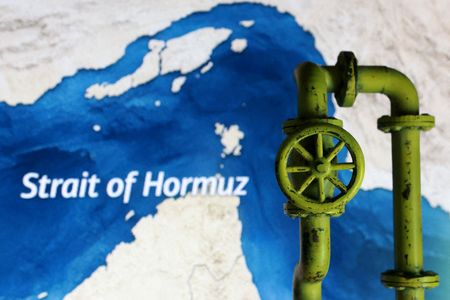
The energy crisis intensified after the February 28 U.S.-Israeli strikes on Iran, which prompted Tehran to retaliate by targeting vessels in the Strait of Hormuz. This critical waterway handles approximately half of India’s crude oil and natural gas imports, and its disruption has created supply shortages across the country.
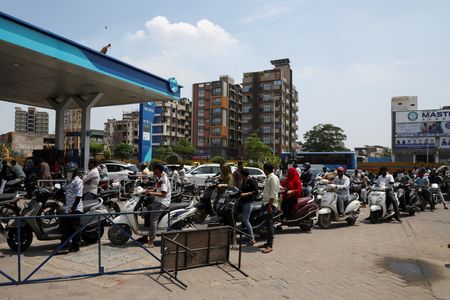
Indian consumers have experienced the impact firsthand, with lengthy queues forming at gas stations and some restaurants facing cooking gas shortages.
Sources indicate that India has already contacted Washington seeking potential sanctions exemptions for the proposed Russian energy deals. Indian officials have also instructed energy importers to prepare for resuming Russian natural gas purchases.
When asked about the potential agreements, Indian External Affairs Ministry spokesperson Randhir Jaiswal confirmed last week that New Delhi maintains discussions with multiple countries to secure energy supplies, including natural gas. Indian authorities have also acknowledged purchasing Russian liquefied petroleum gas for cooking purposes, which falls outside current sanctions.
Russian energy ministry officials declined to provide comment on the India discussions, while the U.S. Treasury Department did not address questions regarding sanctions relief.
Former Indian Ambassador to Moscow Ajai Malhotra defended India’s approach, stating: “India chose the course that best served its national interests, anchored in a long-standing and trusted partnership with Russia.”
Malhotra added that New Delhi should “demand exemptions or accommodations as a normal part of negotiation between strategic partners,” referring to discussions with Washington.
The energy crisis has created broader economic concerns for India. A government briefing document dated March 20 warned that extended Middle East supply disruptions could trigger “higher inflation, a weaker currency and rising foreign debt.”
The internal assessment cautioned that export growth could decline by 2% to 4%, while wholesale inflation might increase by 0.3% to 0.7%. The document noted: “India had reduced purchases of discounted Russian crude, which would have buffered the situation to an extent.”
Russia appears eager to capitalize on the changing dynamics. Any new natural gas agreement would likely offer less favorable terms for India compared to the 20-year supply contract that India’s state-owned GAIL signed with Russia’s Gazprom in 2012. “It is now a seller’s market,” one source explained.
The renewed cooperation extends beyond energy. Russian state power company Rosseti executives visited New Delhi this month to propose collaboration on transmission infrastructure projects in India’s mountainous and remote regions, marking a potential first entry into India’s power transmission sector for Moscow.
Aviation ties are also expanding, with Timofei Titarenko from St. Petersburg’s Pulkovo Airport exploring additional direct flight connections between the two countries.
Top Russian diplomat Sergei Lavrov highlighted the strengthened economic relationship at a recent conference on Indo-Russian relations, noting that 96% of bilateral trade now occurs in rupees and rubles.
“The time-tested Russian-Indian friendship serves as an example of how interstate relations should and can be built – based on equality, mutual trust and respect, and consideration of each other’s interests,” Lavrov stated.
Financial infrastructure between the nations has also improved significantly. A senior executive from Russian bank Sberbank’s Indian operations reported that rupee-ruble transactions up to $1 billion can now be processed within a single day, more than doubling the speed from previous years.