
Ship traffic through the Bab el-Mandeb strait fell sharply on Sunday following Houthi attacks on Saudi oil facilities along the Red Sea coast, while vessel movement through the Strait of Hormuz also remained at low levels over the weekend, according to shipping data released Monday by Kpler.
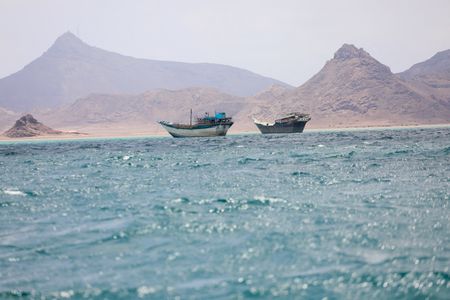
Only 11 commodity vessels made their way through the Bab el-Mandeb strait on Sunday — the fewest in months, the data indicated.
Disruptions along the Red Sea off the coast of Yemen have been ongoing since last week, driven by the Tehran-aligned Houthi movement, which is attempting to blockade Saudi exports. The situation has widened the conflict between the U.S. and Iran, which had already restricted oil flow through the Strait of Hormuz.
Of the 11 vessels that passed through Bab el-Mandeb, seven were oil tankers. Three of those entered the Red Sea, including two very large crude carriers — known as VLCCs — bound for the Saudi port of Yanbu to pick up crude oil, along with one vessel linked to Russia.
Four tankers exited the Red Sea on Sunday. Among them was the Hong Kong-flagged VLCC New Explorer, loaded with 2 million barrels of Saudi and Emirati crude oil destined for the Chinese port of Ningbo. A second tanker carried 1 million barrels of Russian crude bound for China, while a third was transporting roughly 750,000 barrels of Saudi crude headed to Pakistan. This marked the third Chinese VLCC to leave the Red Sea through the Bab el-Mandeb strait. Associated Maritime Hong Kong, the company managing the New Explorer, had not responded to a request for comment as of Monday.
Houthi military spokesperson Yahya Saree announced that the group had targeted facilities belonging to Saudi state oil company Aramco in the cities of Jizan and Yanbu on Saturday.
In the Strait of Hormuz, vessel traffic also stayed depressed, with fewer than 10 commodity ships passing through each day over the weekend — even though the United States and Iran have paused their exchange of strikes in the region.
On Sunday, seven vessels transited the strait, including three tankers linked to Iran that were carrying oil products out of the waterway.
Saturday’s traffic was even thinner, with only three vessels passing through — all with their location transponders turned off. Those ships included a VLCC heading to Qatar to take on oil, a liquefied petroleum gas tanker bound for the Ruwais port in the United Arab Emirates, and a tanker carrying Qatari naphtha on its way to Japan.
On Friday, seven vessels moved through the strait, most of them heading out of the Gulf. That group included two VLCCs carrying crude from Iraq and the UAE, along with a tanker loaded with fuel oil.