
SEOUL, South Korea — Seventy years after guns fell silent on the Korean Peninsula, the border separating North and South Korea stands as one of the most heavily militarized in the entire world — a stark symbol that the war between the two nations never truly ended.
The Korean War, which raged from 1950 to 1953, concluded not with a formal peace treaty, but with an armistice signed on July 27, 1953. That distinction means the two countries remain, in a legal sense, still at war to this day.
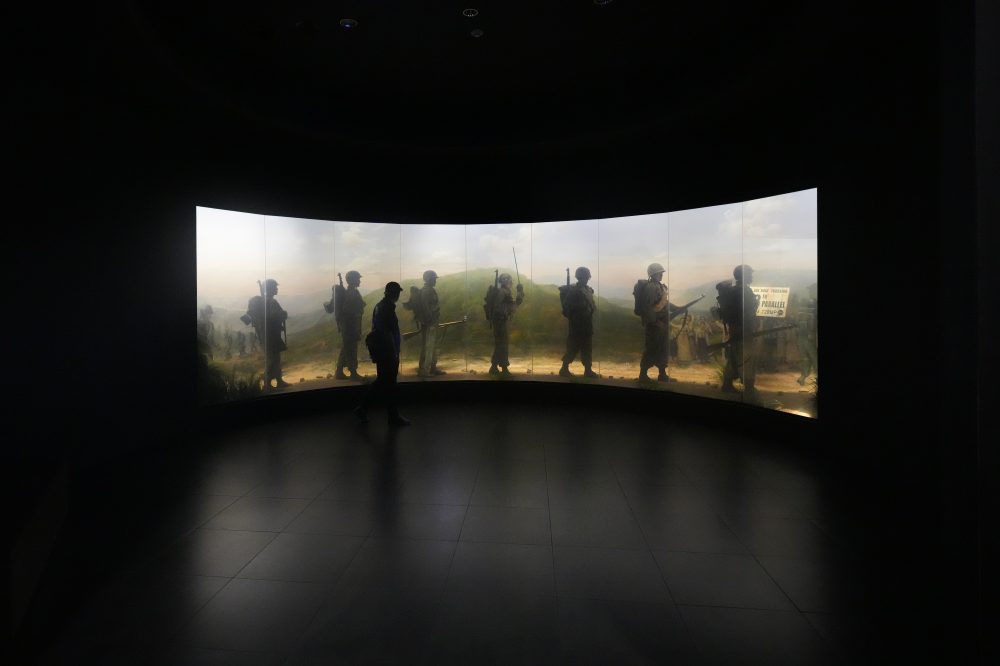
The passage of more than seven decades has done little to erase the conflict’s deep marks. From the fortified barriers along the border to solemn war memorials, and most painfully in the lives of families who were separated and never allowed to reunite, the legacy of the Korean War endures.
Those lasting traces serve as a continuous reminder, ensuring that the history of the conflict is not forgotten — and that its lessons are passed down to generations who never lived through it.
This report is based on a photo gallery curated by AP photo editors.