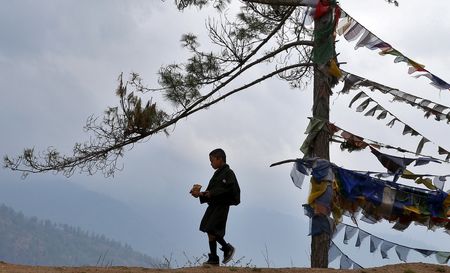

The small Himalayan nation of Bhutan has launched a financial incentive program aimed at reversing its declining birth rates by offering monthly payments to families who have more children.
Located between China and India in the eastern Himalayas, the kingdom with a population under 800,000 will provide families with monthly payments of 10,000 ngultrums (approximately $105) for each third child and any additional children born on or after June 4, 2026, continuing until the child reaches age three, according to a government announcement made Thursday.
The program will also extend benefits to eligible third and subsequent children who were born prior to that date but have not yet reached three years of age when the policy takes effect.
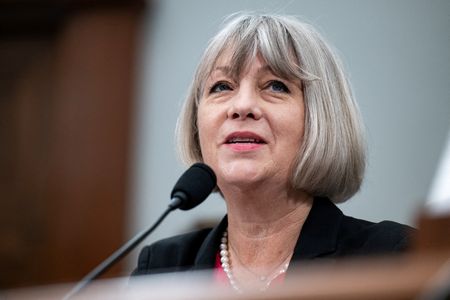
Cabinet Secretary Kesang Deki explained that the financial support would apply to families regardless of how many children they have beyond the second child. “They can have three, four, five, six or seven children,” she stated to Reuters on Friday.
Government data reveals that annual births in Bhutan have dropped from 11,001 in 2015 to 8,153 in 2024, representing approximately a 26% decrease, while the total fertility rate has fallen to nearly the replacement level of 2.1 children per woman during this timeframe.
According to the government statement, the combination of a shrinking and aging population along with emigration poses significant challenges for Bhutan’s workforce, communities, and economic growth over the long term.
Many young people from Bhutan are looking for opportunities in other countries, particularly Australia, as economic dissatisfaction grows within the landlocked Buddhist nation.
The government described the new initiative as demonstrating its “commitment to the welfare of mothers, children, and families, and to the long-term sustainability of Bhutan’s population.”
In a similar move, the neighboring Indian state of Sikkim introduced incentives in 2023 including year-long maternity leave for women, month-long paternity leave for men, and financial assistance for those pursuing in-vitro fertilization.
Bhutan has gained recognition for creating the Gross National Happiness index, an innovative economic measurement that incorporates elements typically overlooked by traditional gross domestic product calculations, including recreation and emotional well-being.