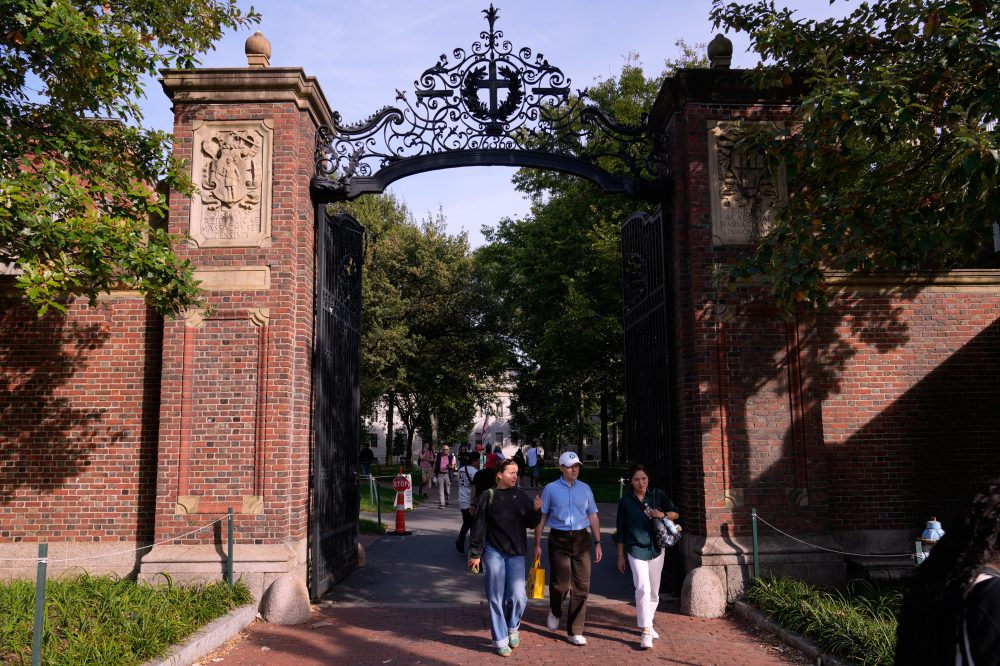

Students at Harvard University will find it significantly more challenging to achieve top grades under new academic policies approved by faculty members.
The Faculty of Arts and Sciences announced Wednesday that they have voted to cap the number of A grades given to undergraduate students, representing one of the most sweeping attempts by a prestigious university to address rising grade averages. The faculty decision was reached during a vote conducted earlier this month.
The policy change addresses concerns that excellent grades have become too widespread to effectively identify outstanding academic performance. Faculty members supporting the new rules pointed to university statistics showing that over 60% of undergraduate grades awarded in recent years fell within the A category.
Harvard joins other prestigious institutions that have grappled with similar grading concerns. Princeton University implemented a 2004 policy restricting A-level grades to 35% of all awarded grades, but eliminated the system ten years later following complaints that it hurt students competing for employment and graduate school opportunities.
According to U.S. Department of Education statistics, grade-point averages at four-year public and nonprofit institutions increased by more than 16% from 1990 to 2020.
“The Harvard faculty voted to make their grades mean what they say they mean,” stated members of the faculty subcommittee responsible for proposing the modifications.
The committee members explained that the changes would guarantee that “a Harvard A grade will now tell students, as well as employers and graduate schools, something real about what a student has achieved.”
Amanda Claybaugh, Harvard’s dean of undergraduate education, described grade inflation as a “complex and thorny issue” and a “problem that many people have recognized, but no one has solved” in her Wednesday statement.
Starting in fall 2027, professors teaching letter-graded classes at Harvard College will be permitted to give A grades to a maximum of 20% of enrolled students, plus four additional students. The restriction will not apply to other letter grades, including A-minus marks.
Faculty members also approved using average percentile ranking instead of grade-point average when evaluating students for academic honors, awards and prizes.
A different proposal that would have permitted classes to bypass the A-grade restriction by switching to a pass/fail system with a new SAT+ designation for outstanding work was rejected.
The new grading policies will undergo evaluation after three years of implementation. The Faculty of Arts and Sciences represents Harvard’s largest academic division, encompassing 40 departments and housing both Harvard College’s undergraduate programs and all doctoral degree programs.