
Senate Democrats are preparing to challenge Republican solidarity this week through strategic votes targeting President Donald Trump’s controversial $1.776 billion compensation fund for political allies, as tensions rise within the GOP ranks.
The confrontation centers around a roughly $72 billion measure aimed at restoring funding to U.S. Immigration and Customs Enforcement and the Border Patrol after Democrats previously blocked the appropriations for several months.
However, what began as straightforward legislation has become increasingly complex after Republicans inserted $1 billion in security funding for the White House campus and Trump’s proposed ballroom, while some GOP senators express mounting dissatisfaction with the president. The settlement fund has drawn Republican criticism, and many were angered by Trump’s Tuesday endorsement of Texas Attorney General Ken Paxton in next week’s party primary runoff against Sen. John Cornyn.
“It’s been a hell of a bad week for Donald Trump and his Republicans,” Senate Democratic leader Chuck Schumer of New York said on the Senate floor. “And it’s only Wednesday.”
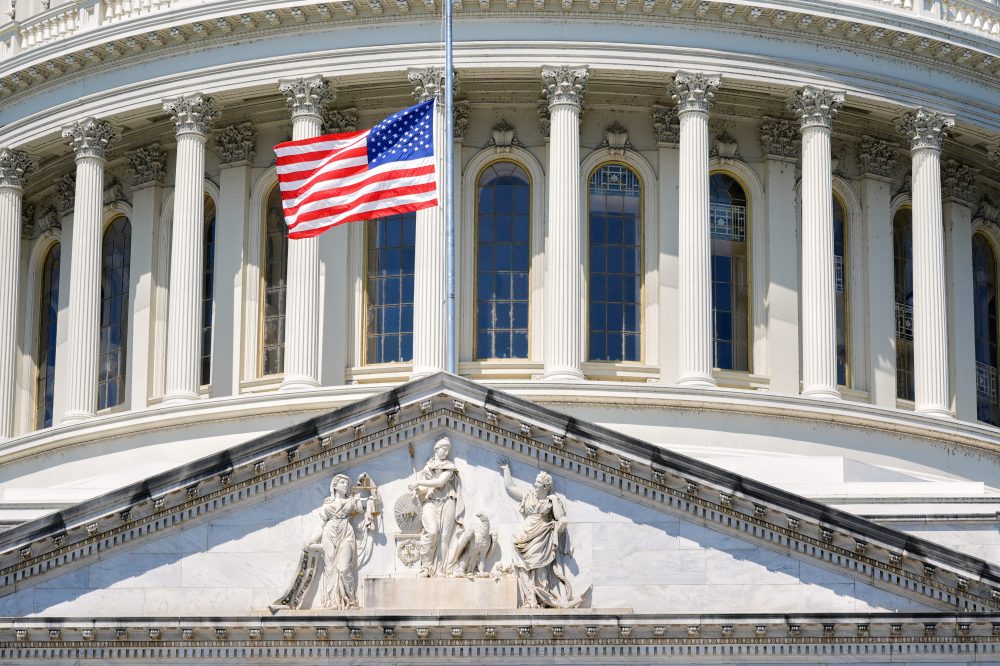
Democrats see an opportunity to force settlement fund votes because Republicans are attempting to advance the immigration enforcement measure through a complex budget procedure requiring numerous amendment votes. Democratic lawmakers are weighing several amendments targeting the settlement fund, including proposals to eliminate it entirely or prohibit payments to Trump supporters who attacked law enforcement officers during the Jan. 6, 2021, Capitol assault.
These amendments could potentially succeed as increasing numbers of Republicans voice opposition to the fund and other elements of Trump’s policy agenda.
Senate Majority Leader John Thune, R-S.D., expressed skepticism Tuesday about the new fund, which the administration unveiled as part of a settlement resolving the president’s IRS lawsuit over leaked tax returns, saying he was “not a big fan.” Republican Sen. Bill Cassidy, who lost Saturday’s Louisiana primary to a Trump-endorsed opponent, denounced it as a “slush fund” and declared “you can’t just make up things.”
The expanding GOP division is intensified by Trump’s unexpected Paxton endorsement, an intervention that has Republican senators privately expressing anger over potential damage to their November majority prospects, as they consider the incumbent the stronger general election candidate.
“There’s always a consequence with taking on United States senators,” Thune said Wednesday. Trump “obviously has his favorites and people he wants to endorse and that’s his prerogative. But what we have to deal with up here is moving the agenda, and obviously that can become slightly more complicated.”
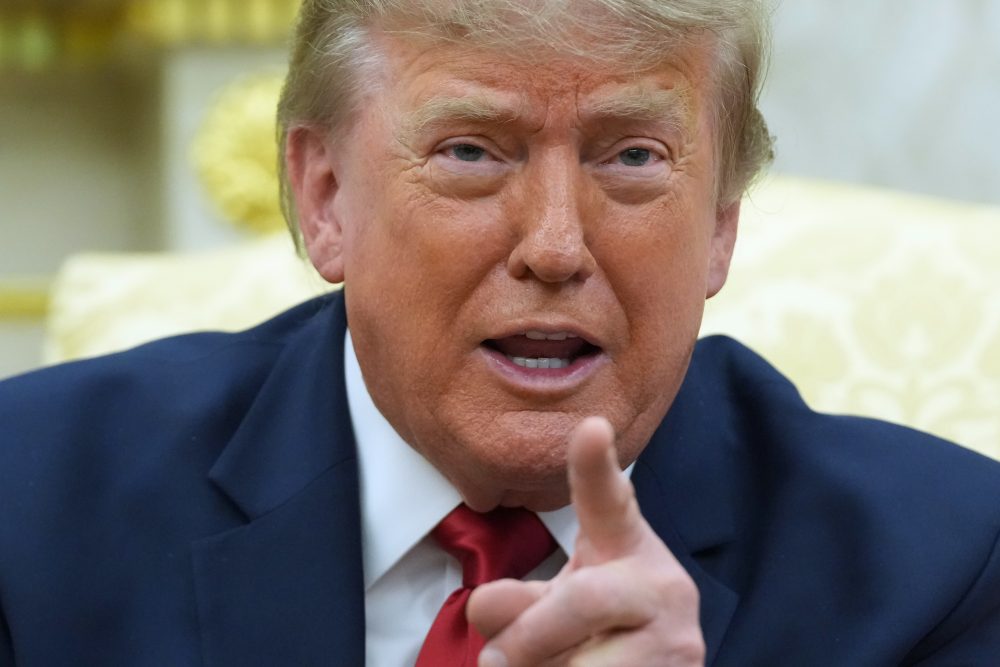
Facing Republican resistance to portions of his agenda, Trump responded with a social media attack on the Senate.
He demanded Republicans dismiss Senate parliamentarian Elizabeth MacDonough, who ruled that sections of the $1 billion security proposal cannot be included in the ICE and Border Patrol legislation. Trump also reiterated longstanding demands for Senate passage of the SAVE Act, a Republican measure requiring all voters to demonstrate U.S. citizenship, and elimination of the Senate filibuster.
“Republicans play a very soft game compared to the Dumocrats,” he wrote. “It is their single biggest disadvantage in politics.”
Trump warned that Democrats would abolish the filibuster “on the First Day” if they regain complete Washington control and urged Republicans to “get smart and tough” or “you’ll all be looking for a job much sooner than you thought possible!”
While Republicans have generally supported Trump on most matters, they have consistently rejected his repeated appeals — including during his first presidency — to eliminate the filibuster, which establishes a 60-vote requirement in the Senate.
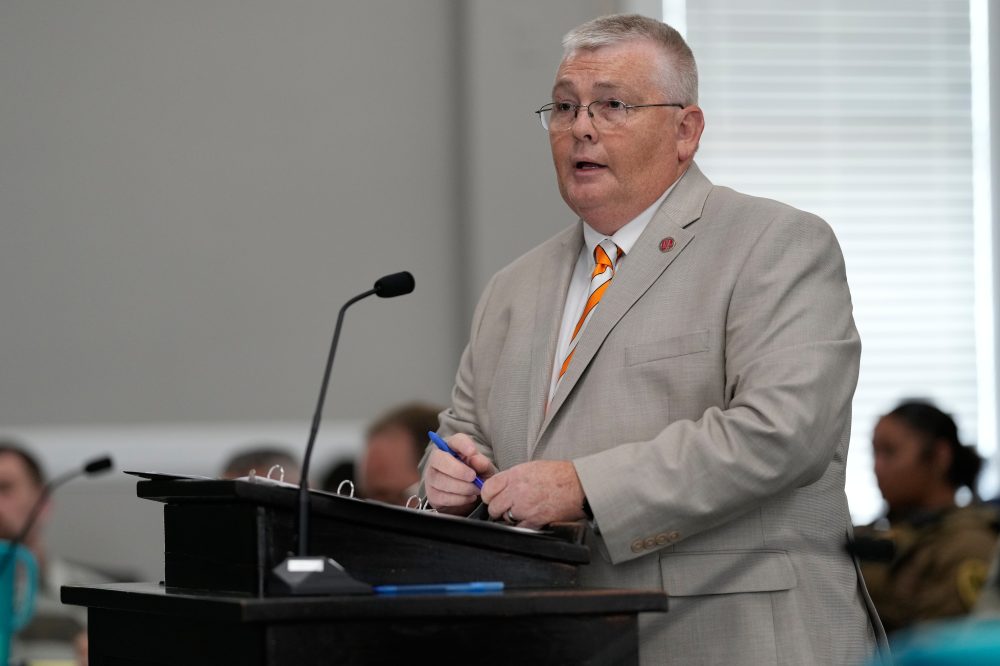
Although some Republicans have expressed support for the administration’s settlement fund, several have raised concerns. Senators questioned acting Attorney General Todd Blanche about it during Tuesday’s hearing, where he characterized the fund as “unusual” but not unprecedented.
Sen. Thom Tillis, R-N.C., warned it presents a “real risk” that rioters who were charged and subsequently pardoned by Trump in the Jan. 6 attack might receive compensation through the fund, calling such an outcome “absurd.”
On Wednesday, two police officers who defended the Capitol during the 2021 attack filed a lawsuit to prevent the payouts. Blanche, who served as Trump’s personal lawyer before joining the Department of Justice in Trump’s second administration, declined to exclude the possibility that rioters who assaulted police on Jan. 6 would qualify for compensation.
Republican leadership continues revising the $1 billion security provision after the parliamentarian deemed it too complicated for the budget measure. The funding could be reduced or eliminated from the legislation.
Thune acknowledged “ongoing vote issues” as leaders assess Republican backing, and “ongoing parliamentarian issues” as they determine what Senate rules will permit in the bill.
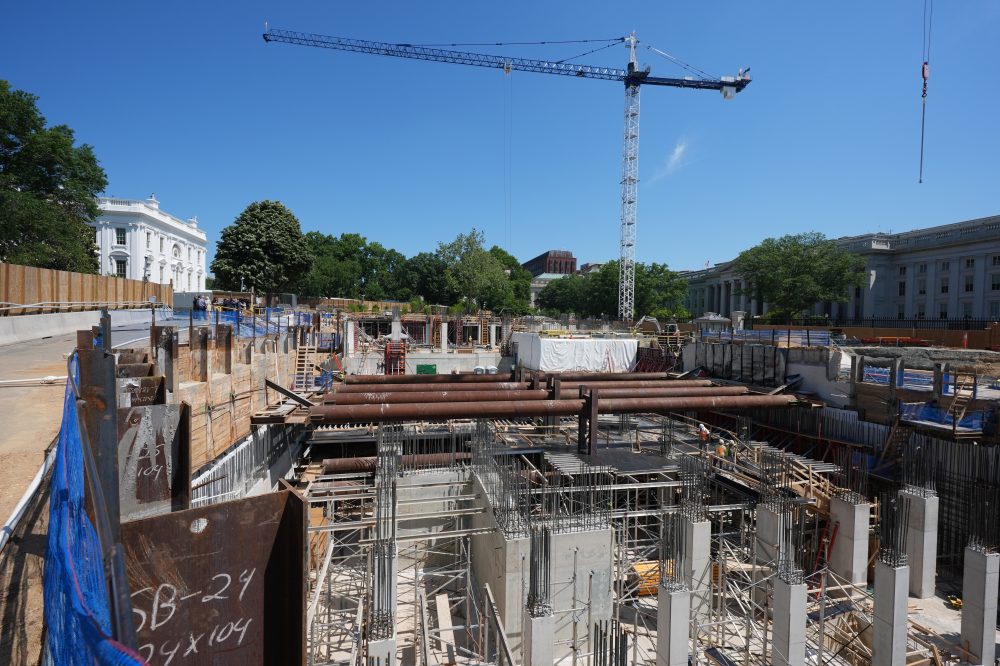
Democrats and some Republicans have questioned whether Congress should authorize White House ballroom funding while voters face affordability concerns. According to the Secret Service proposal, approximately $220 million would fund ballroom-related security enhancements while the remainder would support a new visitor screening facility, training, and additional security measures.
Tillis argued the bill should have excluded the other security improvements “because it’s just giving everybody the ‘billion dollar ballroom,’ and it’s just a bad idea.”
He indicated insufficient Republican support exists for the complete $1 billion in funding or even the $220 million request.
“I still want private donations to pay for it, they need to explain to me why we need this,” Tillis said, pointing out that Trump had initially promised the project would be entirely privately funded.