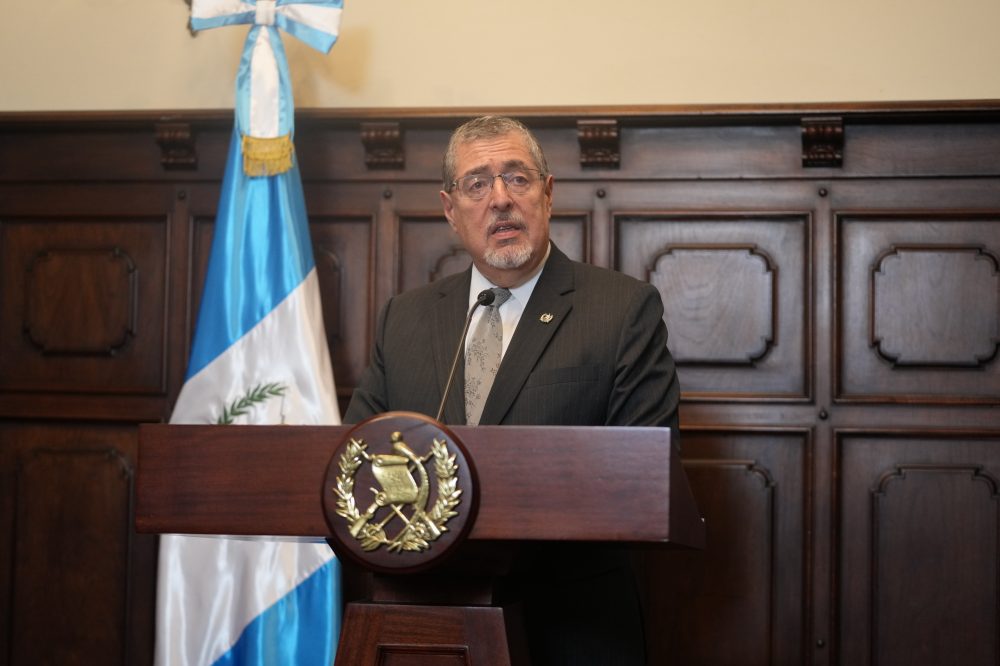

Guatemala’s President Bernardo Arévalo has named a new chief prosecutor, bringing closure to an extended political battle with the outgoing attorney general who faced international sanctions for undermining corruption investigations.
The president selected Gabriel Estuardo García Luna, a lawyer, to lead the prosecutor’s office beginning May 17th when Consuelo Porras’ term concludes. This appointment represents a significant victory for Arévalo, who has frequently criticized prosecutors for what he calls politically-driven arrests and damage to Guatemala’s legal system.
Porras had made multiple unsuccessful attempts to prevent Arévalo from assuming the presidency, drawing condemnation from the international community and creating ongoing tension with the administration.
Guatemala’s attorney general operates independently from the executive branch, which can leave presidents working alongside adversarial chief law enforcement officials. This office has been surrounded by corruption scandals for many years.
During a televised speech to the nation, Arévalo announced García Luna would begin his duties when Porras steps down. “The Public Ministry is getting a new authority who does not come to serve a president, the government of the day, or particular or spurious political interests,” Arévalo said.
García Luna inherits an agency that has drawn widespread domestic and global condemnation during Porras’ divisive leadership. Critics have alleged she weaponized the prosecutor’s office to target former justice department officials, members of the press, political adversaries and even Arévalo directly.
The incoming attorney general is 49 years old with more than two decades of legal practice and advanced education in law.
Arévalo made his choice from six nominees presented by a selection panel including the chief justice, law school administrators from across Guatemala, and representatives from the country’s bar association. This committee evaluated no fewer than 48 applications for the role.
Porras drew criticism and penalties from nations worldwide for allegedly blocking corruption probes and wielding her authority against political enemies.
Following Arévalo’s electoral victory, Porras targeted his Seed Movement party, claiming irregularities in the signature collection process for party registration. Her staff conducted searches of party headquarters, confiscated and examined voting materials, and made repeated efforts to strip away his legal protections.
Arévalo has maintained that Porras serves the interests of Guatemala’s powerful corrupt networks who oppose his anti-corruption agenda.