
YouTube has taken legal steps to challenge a groundbreaking jury verdict in Los Angeles, filing an appeal that contests the jury’s finding that the company built its platform in a way that deliberately hooked young users with no regard for their health or safety.
Attorneys representing YouTube submitted a notice of appeal Monday in Los Angeles County Superior Court. The filing came less than a week after Meta, a co-defendant in the case, submitted its own appeal. Both companies are expected to lay out their full legal arguments in future court documents.
The lawsuit centered on a 20-year-old woman — identified in court only by her initials, KGM, and her first name, Kaley — who said she became addicted to social media during her childhood and that the addiction made her mental health problems worse. The jury concluded that negligence by both Google-owned YouTube and Meta played a substantial role in the harm she suffered.
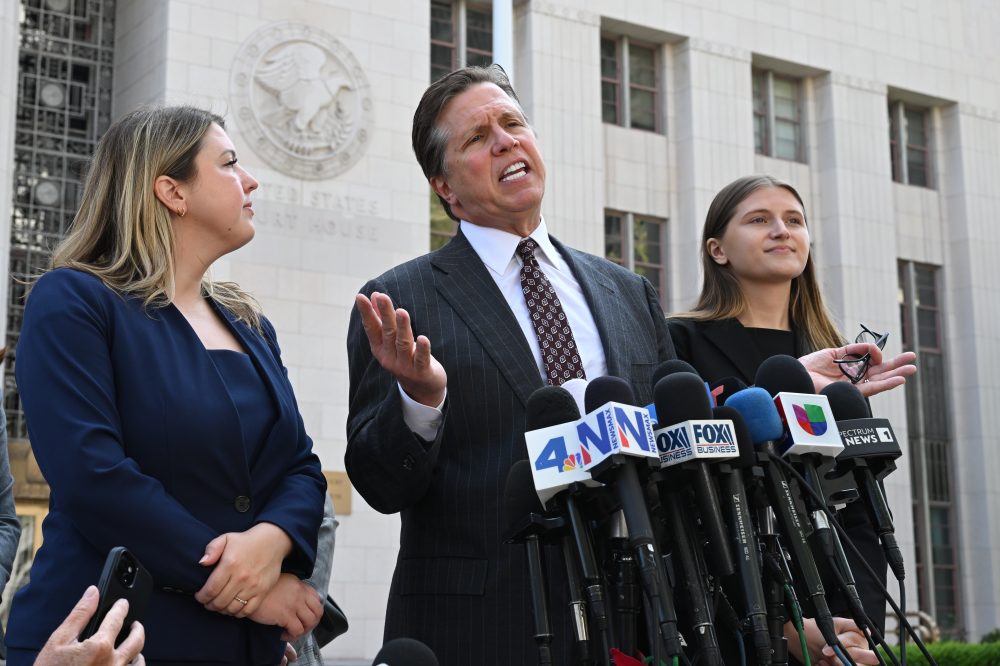
The jury awarded Kaley $3 million in damages and recommended an additional $3 million in punitive damages. Her lead attorney, Mark Lanier, issued a statement following Meta’s appeal, expressing confidence that the appellate court would “continue the careful application of the law to this case, affirming the verdict of the trial court.”
A Google spokesperson, José Castañeda, said last week that YouTube had been planning to appeal and described the filings as “standard motions for this case to move forward.”
Both Meta and Google had previously asked the trial judge to order a new trial. Judge Carolyn B. Kuhl rejected those requests in early June.
During the five-week trial, YouTube’s legal team argued that the platform — which focuses on video sharing and streaming — should not even be classified as a social media platform. Attorneys for both companies also repeatedly raised questions about whether the claims against them conflicted with legal protections that shield tech companies from responsibility for content posted by their users. Those protections come from Section 230 of the Communications Decency Act, passed in 1996. Lawyers for Kaley countered by focusing on platform design features, such as autoplay functions, which they argued encourage prolonged and unintentional use.
Kaley’s case was considered a first of its kind, and the outcome could shape the direction of thousands of similar lawsuits targeting social media companies over alleged deliberate harm to users. TikTok and Snap Inc., the parent company of Snapchat, were originally named as defendants in the case as well, but both reached undisclosed settlement agreements before the trial got underway.