
WASHINGTON — President Donald Trump’s developing agreement to conclude the Iran conflict is facing sharp pushback from Republican colleagues who support tougher measures against Tehran’s leadership and worry about missing a chance to weaken a long-standing Middle Eastern adversary.
The agreement that the Republican president described as “largely negotiated” has prompted various legislators, former administration officials, and conservative policy experts to publicly question whether the currently understood terms would make the entire conflict meaningless.
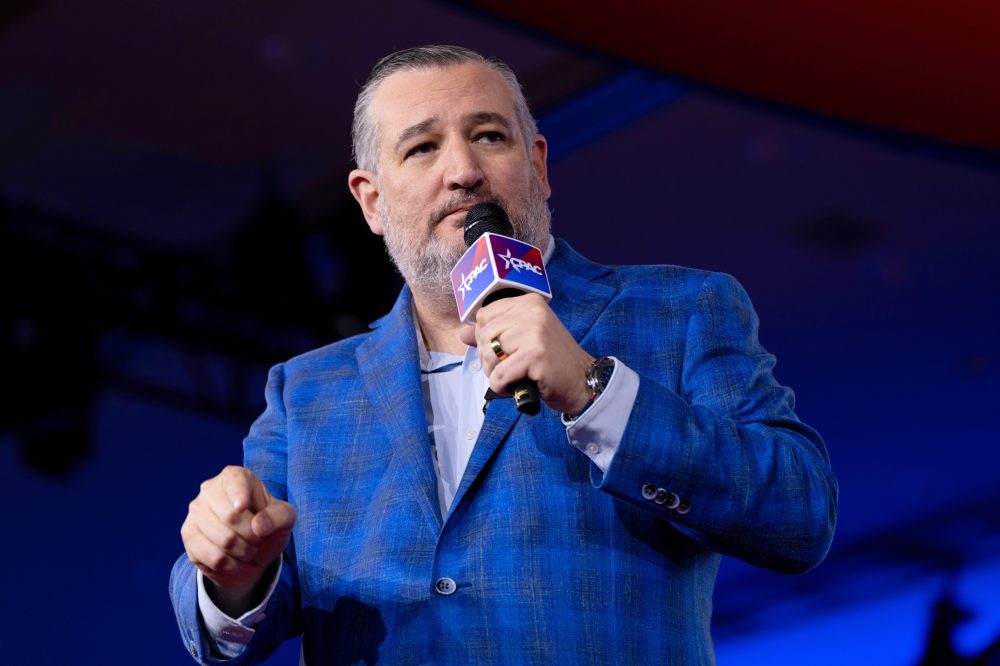
Sen. Ted Cruz, R-Texas, characterized the president’s choice to attack Iran as the “most consequential” decision of his second term and urged against easing pressure now.
“If the result of all that is to be an Iranian regime — still run by Islamists who chant ‘death to America’ — now receiving billions of dollars, being able to enrich uranium & develop nuclear weapons, and having effective control over the Strait of Hormuz, then that outcome would be a disastrous mistake,” Cruz posted Saturday on the social media platform X. His comments came after Trump’s briefing following conversations with Israeli leadership and other regional U.S. partners.
Sen. Lindsey Graham, R-S.C., who maintains close ties with Trump, criticized any agreement that would leave Iran viewed as a regional powerhouse while maintaining its capacity to target Gulf oil facilities.
Sen. Roger Wicker, chairman of the Senate Armed Services Committee, challenged the wisdom of a suggested 60-day ceasefire, calling it a “disaster.”
“Everything accomplished by Operation Epic Fury would be for naught!” stated Wicker, R-Miss.
Trump, who frequently emphasizes his deal-making skills and dislikes appearing disadvantaged in negotiations, rejected criticism of an agreement he said was not “even fully negotiated yet.”
“So don’t listen to the losers, who are critical about something they know nothing about,” he posted on his social media platform.
Trump described the agreement he and his team are developing as “THE EXACT OPPOSITE” of a nuclear deal Iran signed during the Democratic Obama administration. Trump withdrew from that arrangement and has been working to establish a replacement.
“Both sides must take their time and get it right. There can be no mistakes!” Trump stated.
He noted that a U.S. military blockade of Iranian ports would continue “in full force and effect until an agreement is reached, certified, and signed.”
Trump also received backing from some Capitol Hill members.
GOP Sen. Rand Paul of Kentucky, frequently at odds with the president, supported the White House’s strategy.
“War virtually always ends with negotiations,” Paul posted on X. “Critics of President Trump’s peace negotiations should give President Trump the space to find an American First solution.”
According to the framework, the conflict would conclude with Iran reopening the strait and surrendering its highly enriched uranium reserves, with specific details and schedules to be determined during a subsequent 60-day period, regional officials informed The Associated Press on Sunday.
Polling indicates the conflict, which started when the United States and Israel launched attacks on Iran on Feb. 28, lacks public support and has cost U.S. taxpayers a minimum of $29 billion as of this month. Thirteen military personnel have died during the operation.
Trump originally predicted the conflict would end within four to six weeks, but the standoff persists. Iran’s blockade of the strait, which handles approximately 20% of worldwide energy shipments, has disrupted the global economy and driven up gasoline and commodity prices.
Mike Pompeo, one of Trump’s first-term secretaries of state, claimed on Saturday that the developing agreement appeared similar to the Obama-era deal from which Trump withdrew.
“Not remotely America First,” Pompeo posted on X, triggering a profanity-filled response from Steven Cheung, the White House director of communications.
John Bolton, a national security adviser during the first term who has become a presidential critic, suggested the emerging plan details appeared to benefit the Iranian government.
“If news reports about the impending Iran deal are correct, the ayatollahs will have won a significant victory,” Bolton wrote Sunday on X. “They will be back on the road to nuclear weapons, supporting global terrorism and repressing their own people.”
Secretary of State Marco Rubio responded on Sunday during a diplomatic visit to India, telling reporters at a press briefing that no president has taken a firmer stance against Iran than Trump.
“His commitment to that principle that they’ll never have a nuclear weapon shouldn’t be questioned by anybody,” Rubio stated. “And the idea that somehow this president, given everything he’s already proven he’s willing to do, is going to somehow agree to a deal that ultimately winds up putting Iran in a stronger position when it comes to nuclear ambitions is absurd. That’s just not going to happen.”
Republican Rep. Thomas Massie of Kentucky, a Trump opponent who had supported legislation to limit the president’s war powers against Iran, told NBC’s “Meet the Press” on Sunday that while the terms remain unclear, “if Lindsey Graham and Ted Cuz are crashing out last night, I’d say it’s probably a pretty good deal.”
Massie will depart Congress in January after angering Trump and losing his GOP primary last week to a Trump-endorsed opponent.