
Global displacement from conflict and persecution declined in 2025, marking the first decrease in ten years, according to a Thursday report from the U.N. refugee agency. Despite this improvement, the organization warns that millions continue to face extended displacement with little hope of resolution.
During 2025, 5.4 million individuals were forced to leave their homes, pushing the worldwide total of refugees and those in similar circumstances to 41.6 million people, which includes 6 million Palestinian refugees, UNHCR reported.
Simultaneously, approximately 14.7 million refugees and internally displaced individuals went back to their home countries, representing a 50% jump from the prior year and marking the second-largest return figure documented since 1965.
The majority of these homecomings occurred in six nations: the Democratic Republic of the Congo, Sudan, Syria, Afghanistan, Ukraine and Myanmar.
Nevertheless, many who returned encountered challenging circumstances including restricted access to essential services, extensive infrastructure destruction and continued security threats, creating questions about whether these returns are sustainable and safe, according to UNHCR.
Approximately 2.9 million Afghans went back home in 2025, with 1.9 million being refugees — a fivefold increase from the previous year — primarily due to tougher policies in neighboring Iran and Pakistan, with many stating they had no alternative but to depart, the agency discovered.
This dramatic increase brought down the global Afghan refugee population from 5.8 million in 2024 to 3.7 million in 2025, the report indicated.
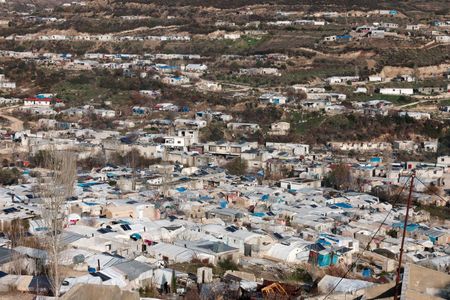
Syria, which had represented one of the globe’s most significant displacement emergencies for over ten years, witnessed around 1.3 million people returning in 2025 — almost three times the previous year’s number — after Bashar al-Assad’s government collapsed in December 2024. This brought the worldwide Syrian refugee population down from 6 million to 4.9 million by 2025’s end.
“However, many returnees face serious challenges, including insecurity, widespread destruction, weak economic conditions, limited services and jobs, and continued sporadic violence in parts of the country,” the report said.
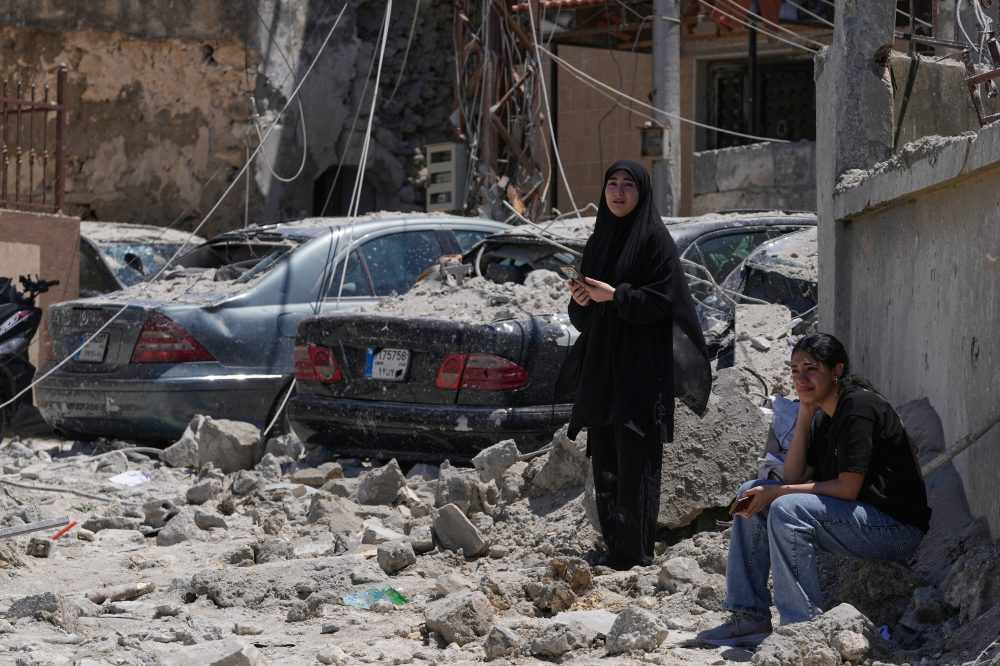
The report highlighted that the Middle East crisis has already influenced worldwide displacement patterns in 2026. Roughly 3.2 million people have experienced temporary displacement in Iran since joint U.S.-Israeli strikes in late February, while approximately one million individuals have been displaced from their homes in Lebanon since warfare began on March 2, due to Israeli strikes and evacuation directives, UNHCR stated.
UNHCR has established a goal to reduce by half the number of refugees and others experiencing prolonged displacement who need humanitarian aid by 2035, through supporting employment creation and educational opportunities, especially in low- and middle-income nations that host most refugees.
Worldwide, 70% of refugees have lived in exile for five years or longer, frequently in nations like Lebanon, Jordan, Turkey and Iran.
“Asylum and protection are life-saving and not up for debate, but we cannot accept a future in which millions of refugees remain trapped for years or decades without realistic prospects of rebuilding their lives,” said UNHCR High Commissioner Barham Salih.
The initiative includes encouraging voluntary returns and helping refugees gain access to education and jobs in host nations so they can achieve financial independence and reduce their reliance on aid.