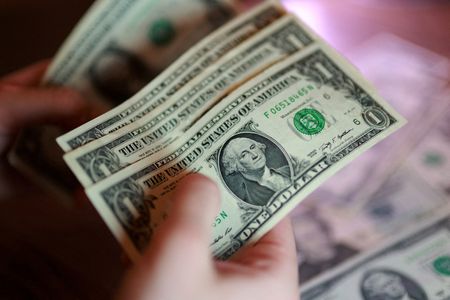

A major financial institution is sounding the alarm about a significant change in how the United States funds itself — and what it could mean for the value of the American dollar.
Deutsche Bank, in a note released Thursday, warned that the U.S. is now leaning more heavily on foreign investors buying shares in American companies than on purchases of U.S. government debt. According to the bank, this shift could make the dollar more unpredictable and riskier over time.
The bank pointed to two key forces driving the change: geopolitical tensions that are pushing investors away from U.S. Treasury bonds, and the artificial intelligence boom that is drawing massive amounts of capital into U.S. stock markets.
Deutsche Bank strategist Mallika Sachdeva explained the implications in the note to clients. “Demand for U.S. Treasuries has tended to be countercyclical, supporting the dollar in times of recession or risk asset correction. These diversification properties encouraged unhedged dollar exposure. A shift to more cyclical, retail-driven equity funding should make the dollar both more risky and more leveraged to AI,” she said.
The stakes are high. The U.S. carries a current account deficit of roughly $1.12 trillion in 2025 and a trade deficit of around $1 trillion, making the steady flow of foreign investment critical to the government’s ability to keep itself funded.
Sachdeva’s concerns align with those expressed earlier this year by Reserve Bank of Australia Deputy Governor Andrew Hauser, who said the move away from debt-based investment and toward equities signals a retreat from what he called the “exorbitant privilege” — the unique advantage the U.S. has long enjoyed because the dollar serves as the world’s primary reserve currency.
Despite these warnings, the dollar has shown surprising resilience in recent months. The currency dropped nearly 10% last year, weighed down by uncertainty surrounding U.S. trade and foreign policy and the country’s mounting debt load. However, the dollar has since clawed back nearly half of those 2025 losses, buoyed by tensions stemming from the U.S.-Israeli war on Iran, expectations that the Federal Reserve will raise interest rates in the near future, and a flood of investment into domestic markets tied to the AI sector.