
Gasoline prices at Delaware pumps could face additional pressure as crude oil costs are expected to climb further when markets open Monday, driven by an escalating three-week conflict involving the United States, Israel and Iran that has put critical oil infrastructure in jeopardy.
The ongoing warfare has resulted in Iran shutting down the Strait of Hormuz, creating what experts describe as the world’s most significant supply disruption currently affecting global oil markets.
President Donald Trump has issued warnings of additional military action targeting Iran’s Kharg Island oil export facility, prompting Tehran to promise continued retaliation against U.S. and Israeli forces.
Both Brent and West Texas Intermediate crude oil contracts have experienced dramatic price increases, causing volatility across international financial markets. The two benchmark oils have jumped over 40% during March alone, reaching their peak values since 2022 following the U.S.-Israeli military campaign that led Iran to block shipping through the Strait of Hormuz, a critical passage for approximately 20% of worldwide oil supplies.
The President has called upon China, France, Japan, South Korea, Britain and other nations to send naval vessels to help protect the strategic waterway.
Saturday saw American forces target military installations on Kharg Island, which Iran quickly answered with drone strikes against a major oil terminal in the United Arab Emirates.
“This marks an escalation in the conflict,” stated JP Morgan analysts led by Natasha Kaneva.
“Until now, the region’s oil infrastructure has largely been spared.”
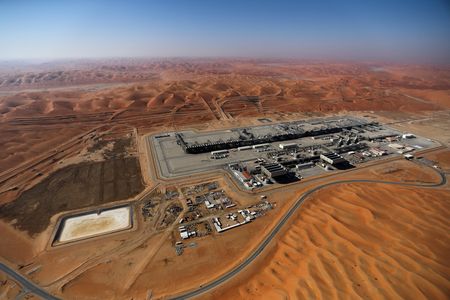
The analysts identified several other vulnerable energy facilities in the Gulf region, including the UAE’s Fujairah terminal, along with Saudi Arabia’s Ras Tanura export facility and Abqaiq processing plants, all considered critical and highly exposed targets.
Despite the attacks, oil loading activities at Fujairah have restarted, according to a local industry source who spoke with Reuters Sunday.
The Fujairah facility, located outside the Strait of Hormuz, handles approximately one million barrels daily of the UAE’s primary Murban crude oil, representing roughly 1% of global demand.
The International Energy Agency projects worldwide oil supply will drop by 8 million barrels per day in March due to shipping disruptions, while Middle Eastern producers have reduced output by at least 10 million barrels per day.
In response to the price surge, the IEA last week approved releasing a historic 400 million barrels from member nations’ strategic reserves. Japan is scheduled to begin its oil release Monday.
Diplomatic efforts remain stalled as the Trump administration has rejected attempts by Middle Eastern allies to initiate peace talks, according to three sources with knowledge of the situation. Iran has also dismissed any ceasefire possibilities until American and Israeli attacks cease, reducing prospects for a swift resolution to the conflict.