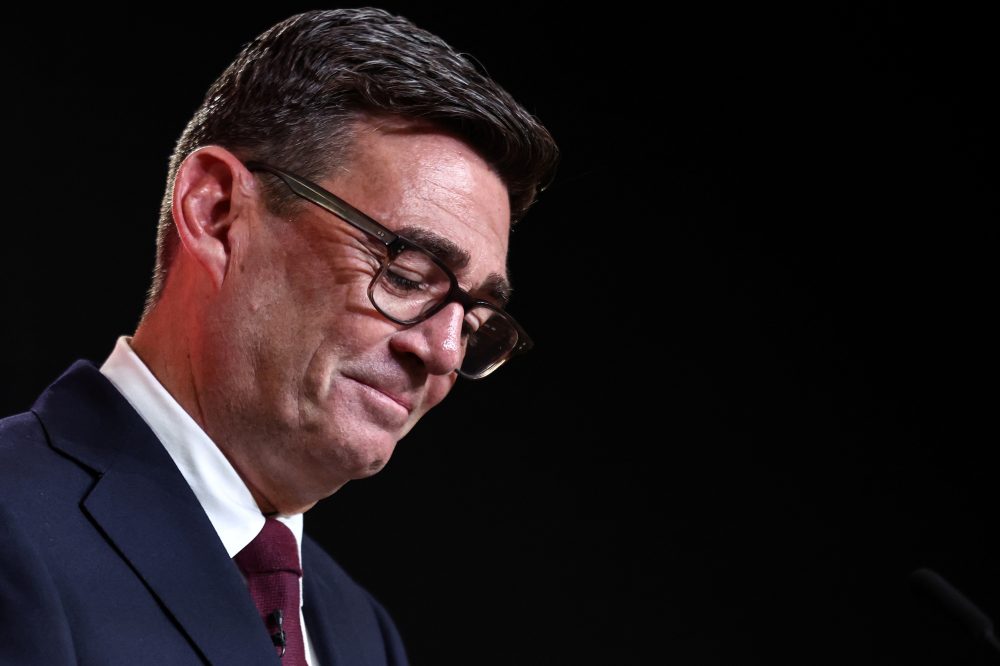

LONDON (AP) — Andy Burnham stepped into 10 Downing Street on Monday riding a wave of public enthusiasm, but the new British prime minister faces an enormous set of problems that could quickly test his leadership.
Although his rise to the top job has been celebrated, observers note that he faces many of the same difficult circumstances that brought down his predecessor — a cost-of-living crisis, overstretched public services, and an increasingly complicated international landscape shaped by wars in Ukraine and the Middle East.
Burnham spent the better part of the last decade leading Greater Manchester in northwest England before returning to Parliament through a special election last month. Now, instead of governing a region of roughly 3 million people, he is responsible for delivering services to a nation of 70 million — a dramatically different challenge in both scale and complexity.
Here is a breakdown of the major issues Burnham is walking into and how he has indicated he plans to handle them:
On the economy, Burnham has been deliberately vague so far, though he pledged to offer specifics this week on how he plans to fund his domestic agenda. His goals include jump-starting a slow-moving economy, improving public services, and raising living standards across the country.
“This change today is the most significant change moment in our politics for 40 years,” he said Friday upon being named Labour Party leader. “It will take us to a country where life is more affordable, and all people and places are lifted from where they are now.”
The economic picture he inherits had been improving until the Iran war disrupted forecasts. Growth is now expected to slow significantly this year while inflation climbs.
Burnham has spoken about spreading opportunity more evenly across the United Kingdom, including by shifting power away from the central government, directing more funding to local governments, and bringing back under public control some services that were privatized roughly four decades ago.
His governing philosophy — sometimes called “Manchesterism” — blends business-friendly policies with socialist principles, aiming to use both public and private investment in areas like transportation, housing, and infrastructure. Critics note this approach could take years to fully implement.
Joshi Herrmann, who founded the Manchester news outlet The Mill and has followed Burnham’s career closely, said the new prime minister may be able to ease the burden for some struggling residents. However, Herrmann expressed doubt about Burnham’s ability to deliver broader economic transformation.
“But if the essay question is who can get economic growth and who can remodel the economy in the post-Brexit, post-financial crash era, I’d be very surprised if the answer to that question is Andy Burnham,” Herrmann said.
On taxes, Burnham faces tight constraints. He is stepping into a role previously held by Prime Minister Keir Starmer, who was elected on a platform that ruled out raising the government’s major tax rates. Breaking those pledges would be politically risky. That said, Burnham declined to take a wealth tax off the table, telling Gary Lineker on the Goalhanger podcast last week that the government “might be having to ask for a little more.”
When it comes to foreign policy, Burnham acknowledges he has limited experience in that arena. He has committed to maintaining the United Kingdom’s obligations to NATO and its nuclear deterrent, and has said Britain will remain a strong supporter of Ukraine and a firm ally of the United States.
How that alliance holds up may depend in large part on his relationship with President Donald Trump. Trump initially praised Burnham’s predecessor before that relationship deteriorated over the Iran conflict. Burnham has previously been critical of Trump in public statements but says he will engage with him respectfully while still being willing to disagree.
“I like to think I’ve got some personality myself and I’ll just, you know, I’ll deal with him very upfront in the same way,” Burnham told Lineker. “Where you disagree, do it, but do it in a way that is kind of meeting him where he’s at.”
Trump has pushed NATO members to significantly increase their defense budgets, and Burnham is expected to face pressure to go beyond the military spending targets set by Starmer. A defense plan that includes a 15 billion pound ($20 billion) spending increase has drawn criticism for falling short of what military leaders requested and for not being fully covered under the existing budget.
On the Israel-Gaza conflict, Burnham has taken a different tone than his predecessor. He condemned the October 7, 2023, Hamas attacks on southern Israel, in which roughly 1,200 people were killed and 251 others were taken hostage, but argued that the British government was too slow in calling for a ceasefire. More than 73,000 Palestinians have been killed, according to the Gaza Health Ministry, which operates under the Hamas-led government. United Nations agencies and independent experts generally consider the ministry’s records, maintained by medical professionals, to be reliable, though the figures do not distinguish between civilians and combatants.
Burnham said the United Kingdom would consider imposing additional sanctions on Israelis connected to violence in Gaza and illegal settlements in the West Bank. His statements have drawn criticism from Jewish groups, while pro-Palestinian organizations have faulted him for not labeling Israel’s military campaign a genocide. The issue is particularly delicate for Labour, which faced accusations of antisemitism before Starmer’s leadership and also depends on support from a large Muslim voter base.
On immigration, Burnham notably did not address the topic during his acceptance speech Friday, even though it ranks among voters’ top concerns. Like many European and wealthier nations, the United Kingdom has seen a significant rise in migrants arriving from conflict zones, famine-affected regions, areas experiencing climate-related crises, and countries with political repression or extreme poverty.
Anxiety over migrants crossing the English Channel in overcrowded inflatable boats has fueled the rise of the anti-immigration Reform UK party, which has performed strongly in recent local and regional elections — contributing to the pressure that ultimately led Labour to replace Starmer.
Burnham has said he would largely continue Labour’s current approach to migration. The party has pointed to a drop in net migration from more than 900,000 in 2023 to 171,000 last year, and Channel crossings are reportedly down 40% this year compared to the same period in 2025. Burnham has expressed support for continuing to reduce net migration and voted in favor of legislation aimed at cutting Channel crossings and steering migrants toward legal pathways.