
Energy markets jumped Friday amid escalating tensions between the United States and Iran, after President Trump issued an ultimatum giving Tehran just 10 to 15 days to reach a nuclear agreement.
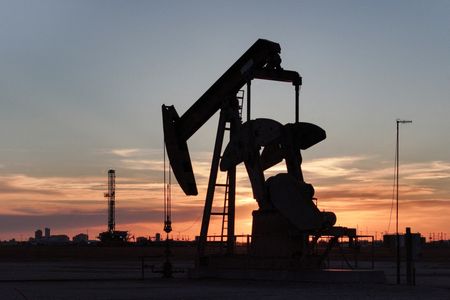
Crude oil futures climbed during trading, with Brent crude increasing 21 cents to reach $71.87 per barrel, while West Texas Intermediate gained 23 cents to hit $66.66. These prices marked six-month peaks following Trump’s warning Thursday.
The President warned that “really bad things” would occur if Iran fails to negotiate regarding its nuclear program, which Tehran claims serves peaceful purposes but Washington suspects has military applications.
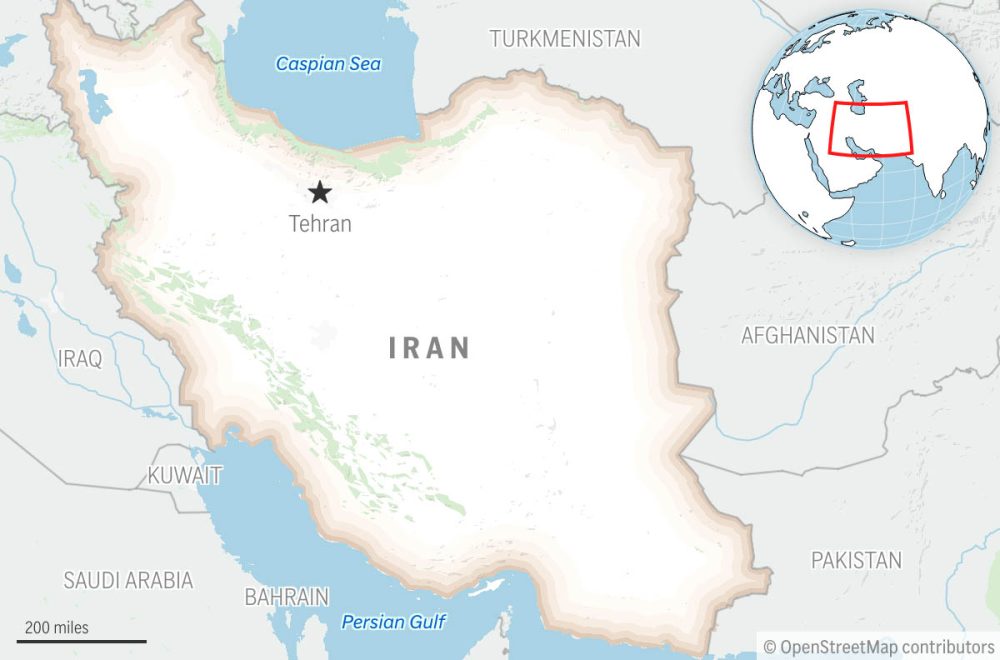
Adding to regional tensions, Iran has scheduled joint naval operations with Russia, according to local media reports. This announcement comes just days after Iran temporarily shut down the Strait of Hormuz for military exercises.
The strategic waterway sits between Iran and the oil-rich Arabian Peninsula, serving as a critical passage for approximately 20 percent of worldwide petroleum supplies. Any military conflict in this region could severely restrict global oil availability and drive energy costs higher.
Additional factors boosting petroleum prices include declining crude stockpiles and reduced exports from major oil-producing nations worldwide.
Thursday’s Energy Information Administration data revealed U.S. crude reserves decreased by 9 million barrels, as refinery operations and export activity increased.
Saudi Arabia, the globe’s top oil exporter, saw shipments drop to 6.988 million barrels daily in December – the lowest level since September, according to Joint Organizations Data Initiative figures.
Meanwhile, Japan’s core inflation rate slowed to 2.0 percent annually in January, marking the weakest pace in two years and potentially affecting central bank interest rate policies.
Lower interest rates in oil-importing nations like Japan typically provide support for crude oil pricing.