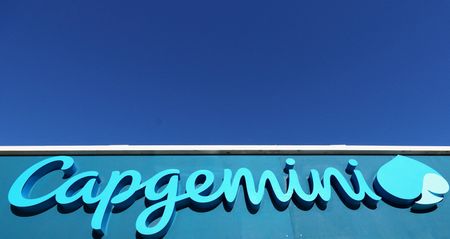

A major French technology consulting firm says artificial intelligence is creating new revenue streams and expanding business opportunities, countering investor fears that AI might hurt the company’s traditional services.
During a presentation to investors on Thursday, Capgemini executives explained that clients are approaching artificial intelligence differently than typical technology projects, viewing it as company-wide operational changes rather than simple IT improvements.
“Now the net result is a more resilient, more diversified Capgemini, one with stronger client intimacy,” CEO Aiman Ezzat said at the company’s Capital Markets Day event.
The presentation aimed to address widespread concerns among investors that AI technology might reduce the need for external technology contractors by automating programming tasks and other technical services. Instead, company leaders argued the technology is broadening the types of projects they can pursue with existing clients.
Chief Technology Officer Franck Greverie highlighted the company’s growing opportunities during the investor event.
“We’ve seen an explosion of our business opportunities over the last few months. And our pipeline of business opportunities already exceeds $12 billion,” Greverie told attendees.
An executive from OpenAI also participated in the presentation, describing how businesses are evolving their AI usage. Nate Harbacek, OpenAI’s vice president of global business, said companies are transitioning from “individual use and amazement to real enterprise deployment and scale,” where “entire workflows” would be “re-architected”.
The consulting firm, which belongs to OpenAI’s Frontier Alliance as a founding member, also discussed targeting demand for “sovereign” artificial intelligence systems designed to comply with local data protection, regulatory requirements and hosting preferences.
Ezzat explained that the company is collaborating with Amazon Web Services, Google Cloud and Microsoft to develop region-specific cloud and artificial intelligence solutions, responding to increasing demands from companies and governments for greater control over where essential systems operate.