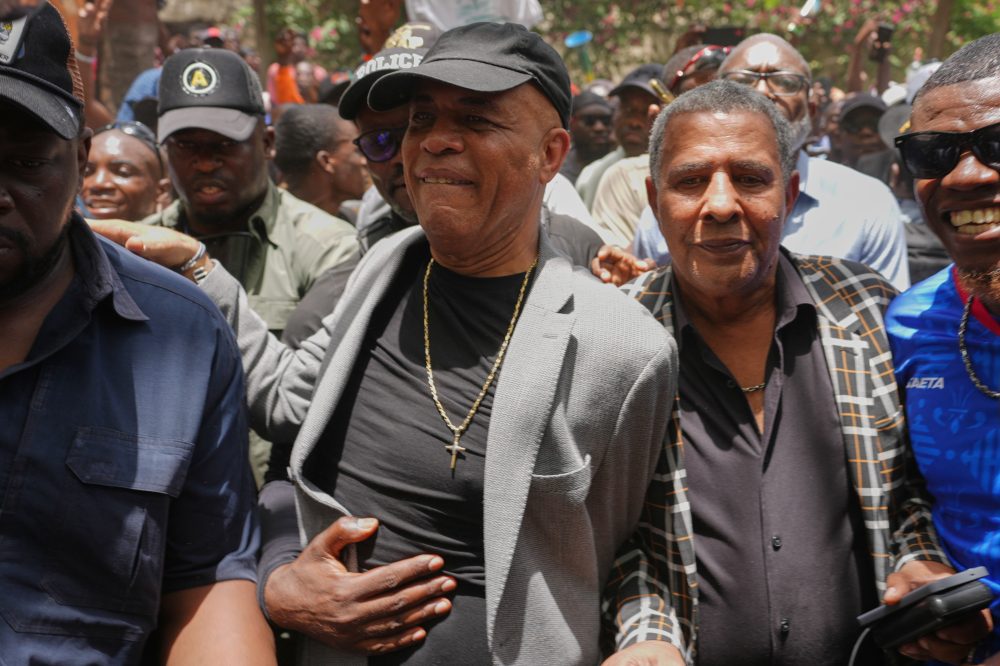

French President Emmanuel Macron met with Lebanon’s Prime Minister Nawaf Salam in Paris on Tuesday to reinforce France’s dedication to maintaining the fragile ceasefire in Lebanon and backing the nation’s territorial sovereignty, according to statements from Macron’s administration.
The high-stakes diplomatic gathering occurs as Pakistan works to facilitate new discussions between the United States and Iran, with the current ceasefire agreement scheduled to end Wednesday. Additional meetings between Lebanese and Israeli representatives are planned for Washington later this week.
During their talks at the Elysee presidential palace, Macron and Salam “will also address humanitarian support for displaced populations and the continuation of the economic and financial reforms essential to strengthening Lebanon’s sovereignty, its reconstruction and the restoration of its prosperity,” according to Macron’s office.
The Paris meeting follows a deadly weekend attack on United Nations peacekeeping forces stationed in southern Lebanon. Small arms fire on Saturday resulted in the death of one French peacekeeper and left three others injured, with two suffering serious wounds.
While both Macron and the UNIFIL peacekeeping mission have accused Hezbollah of responsibility for the attack, the Lebanese militant organization has rejected any involvement in the incident.
The French president has demanded that Lebanese officials “shed full light on the incident” and “identify and prosecute those responsible without delay.” Macron’s administration emphasized that UNIFIL personnel “must under no circumstances be targeted.”
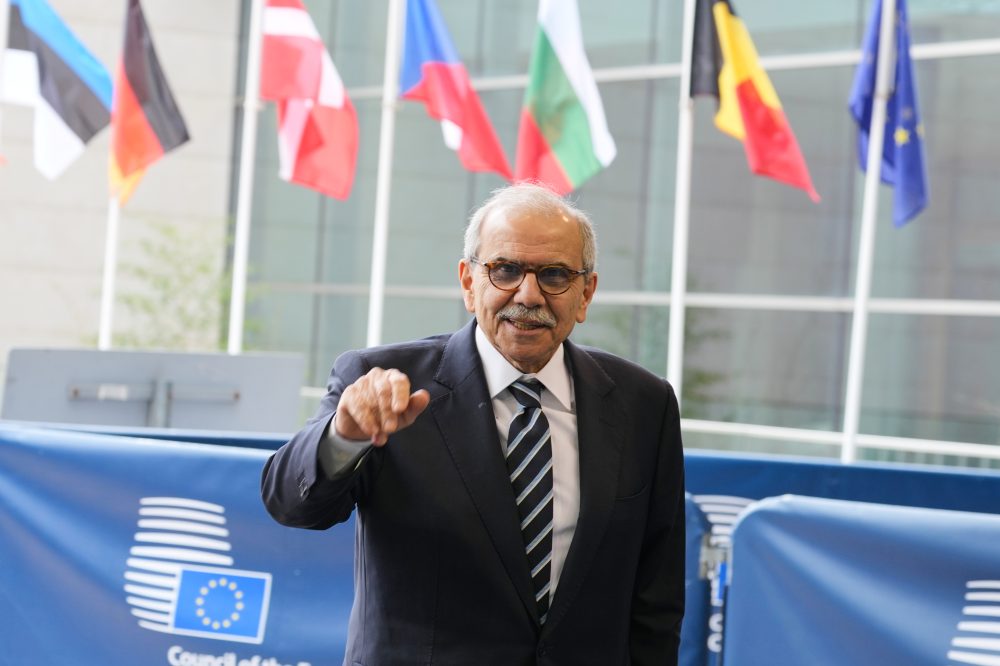
Prior to the Paris meeting, Salam attended a gathering of European Union foreign ministers in Luxembourg, where officials discussed the evolving Middle East crisis.
The current conflict escalated on March 2, two days following the launch of military operations by the U.S. and Israel against Iran. Hezbollah joined the conflict by launching missiles across the Lebanese border, prompting Israel to respond with extensive bombing campaigns and ground operations.
Lebanese President Joseph Aoun proposed direct negotiations with Israel—marking the first such offer in decades—in return for an end to hostilities. Israel initially rejected this proposal.
The situation shifted following announcements of a truce between Iran and the United States, facilitated through Pakistani mediation efforts.
Last week marked the first direct diplomatic discussions between Lebanon and Israel in decades, taking place in Washington after more than a month of warfare between Israeli forces and the Iran-supported Hezbollah militia. Iran has maintained that any ceasefire agreement must include Lebanon and has threatened to keep the Strait of Hormuz closed otherwise.
The United States announced a ceasefire agreement between Israel and Hezbollah on Thursday, presenting the deal as an outcome of the Israel-Lebanon diplomatic talks.
Hezbollah, which opposed Lebanon’s direct negotiations with Israel and was excluded from those discussions, claimed the ceasefire resulted from Iranian influence rather than the bilateral Israel-Lebanon meetings.