
The White House is weighing whether to make public classified intelligence connected to China and its potential role in U.S. elections, according to four people with knowledge of the internal discussions who spoke on condition of anonymity.
Trump is expected to reference the intelligence during a speech scheduled for Thursday evening, where he is anticipated to lay out information about alleged weaknesses in the nation’s voting infrastructure that could leave elections open to foreign interference, the sources said.
Reuters was unable to determine the specific contents of the intelligence, but sources confirmed it is classified and centers on whether China had the intention or capability to disrupt U.S. elections in 2020. Importantly, sources said the intelligence does not show that Beijing manipulated or altered any votes.
Trump has continued to repeat the widely debunked claim that the 2020 election was stolen, suggesting foreign involvement in flipping votes — despite court rulings confirming that Democrat Joe Biden won.
Thursday’s address may shed new light on a year-long effort by the Trump administration to gather and examine material on what the White House describes as vulnerabilities in the country’s election systems. That effort is part of a broader push to extend federal authority over how U.S. elections are run — a responsibility the Constitution assigns exclusively to the states.
The White House and the Office of the Director of National Intelligence did not respond to requests for comment. The CIA also declined to comment.
NO EVIDENCE OF VOTE MANIPULATION
The China-related intelligence played a central role in the first Trump administration’s internal debate over foreign interference in the 2020 election and was examined as part of the official intelligence community’s assessment on the matter, the four sources said.
During Trump’s first term, administration officials publicly stated that Chinese hackers had been targeting election infrastructure ahead of the 2020 vote.
Former officials have consistently maintained there is no evidence that China or any other foreign adversary altered votes in 2020. A 2021 U.S. intelligence community assessment concluded there were no signs that any foreign actor attempted or succeeded in changing any technical aspect of the 2020 presidential election — including voter registrations, ballots, vote tallies, or final results.
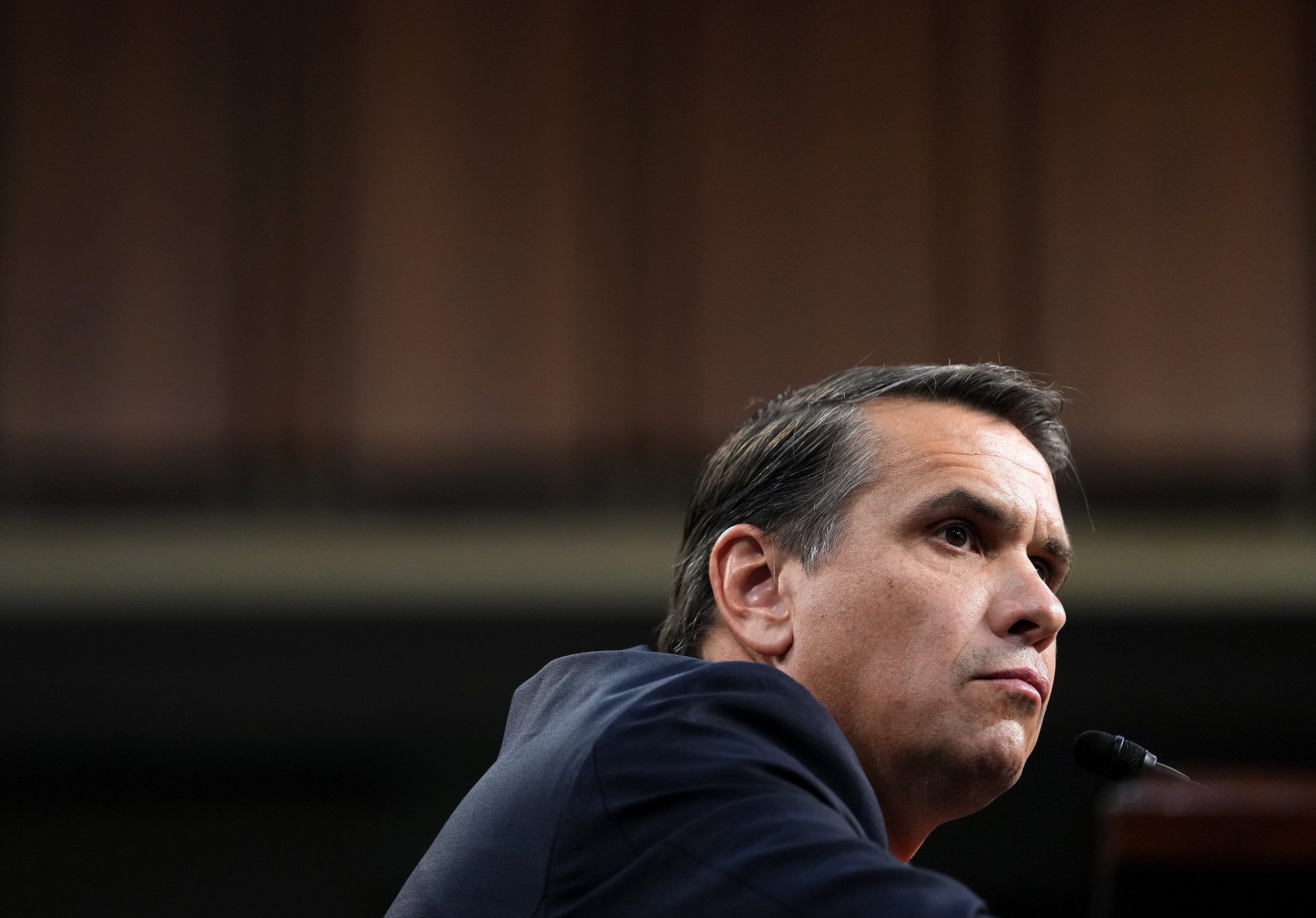
However, a former intelligence analyst named Christopher Porter, who served as a national intelligence officer on cyber at the Office of the Director of National Intelligence, authored a dissent to that report. Porter argued that China had the capability to interfere in elections and may have been attempting to do so. A version of that dissent was included when the 2021 intelligence assessment was publicly released.
Porter also wrote a highly classified paper expanding on his original argument, according to two sources. Two sources who reviewed the paper described it as detailed, laying out specifics of Beijing’s thinking on U.S. elections. Two other sources said the paper drew from a narrow slice of raw intelligence and did not necessarily represent Beijing’s official position.
Porter has since publicly alleged that the intelligence community suppressed his dissent reports during Trump’s first term. Porter declined to comment for this story.
Sources expressed concern that the Trump administration could overstate the importance of Porter’s dissent and use it to argue that China influenced the outcome of the 2020 election.
The Chinese embassy in Washington did not immediately respond to a request for comment.
DEBATE OVER WHETHER TO DECLASSIFY
Current Trump administration officials have debated in recent weeks whether to declassify the intelligence. Some within the intelligence agencies have raised concerns that releasing it could expose sensitive sources and collection methods, and might imply that Beijing successfully interfered in past elections, two of the sources said.
A White House task force led by conservative journalist John Solomon recently requested documents from the intelligence community outlining the intelligence and has spent several weeks reviewing them ahead of Trump’s speech, according to one source familiar with the group’s work. The White House did not respond to questions about Solomon’s involvement.
The speech had not been finalized as of the time of reporting and could still be revised, the source added.
The White House may also release information tied to a longstanding allegation that China gained access to U.S. voter data in 2020, a source familiar with the internal discussions said. Two people familiar with that matter noted that voter data is not confidential, is already accessible to political consultants for campaign targeting purposes, and cannot be manipulated.
Both the Trump and Biden administrations reviewed intelligence about China’s potential access to voter data. However, two former officials said the intelligence community largely concluded that China did not break into U.S. voter systems but instead accessed the information through publicly available online sources.