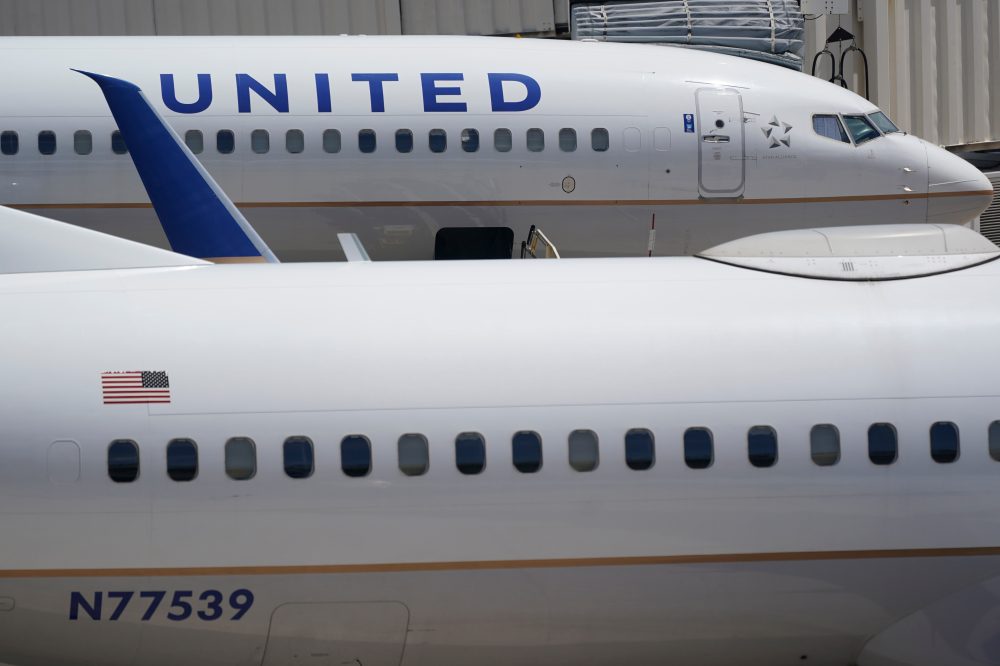

United Airlines is looking to win over travelers with a perk that many flyers have long dreamed about: an empty middle seat.
The Chicago-based airline revealed plans this week to introduce a new configuration within its “Economy Plus” cabin that eliminates the middle seat entirely. In its place, the space would become a shared table between the passenger in the aisle seat and the one by the window — along with some welcome extra elbow room.
For now, the option is only planned for a single row aboard United’s upcoming Airbus A321XLR aircraft. The airline has not yet released pricing information, saying those details will be made public later this year. However, United hinted that the concept could eventually make its way onto other planes in its fleet.
The announcement is part of a larger trend across the airline industry, where carriers are increasingly rolling out premium tiers and special add-ons to attract passengers willing to spend more for a more comfortable journey.
United isn’t the first to embrace the empty-middle-seat concept. Several European carriers — including Lufthansa and Finnair — already offer this kind of setup for business class travelers. Other airlines have also given passengers the option to pay extra or purchase additional tickets to keep nearby seats vacant.
United stated on Tuesday that it believes it will be “the only U.S. airline” to offer this type of row. The middle seat has long been a source of frustration for travelers — whether they’re the ones crammed into it or the aisle and window passengers forced to share armrests with whoever ends up in between them.
This latest announcement follows another seating innovation United unveiled just months ago called “United Relax Rows.” Beginning early next year, that program will let economy passengers on certain wider Boeing aircraft convert a three-seat row into a makeshift couch for sleeping or lounging after the plane takes off.
“We’re investing nose-to-tail across our fleet,” said Andrew Nocella, United’s executive vice president and chief commercial officer, in a statement released Tuesday. Nocella added that both new offerings give travelers more “choice and value in every cabin.”
Even on the same flight, passengers can find themselves having very different travel experiences depending on what they’ve paid for. While there is clear demand for roomier seating and upgraded perks, budget-minded flyers may feel increasingly left behind — or frustrated by new fees for services that used to be included and by the growing number of fare tiers to sort through when booking.
Some major airlines, like Delta, have leaned into strategies centered on offering the best experience rather than the lowest price. United’s leadership, meanwhile, has pushed back against the notion that the industry is only chasing big spenders, arguing that investments in premium offerings are part of a broader effort to improve the experience for all passengers.