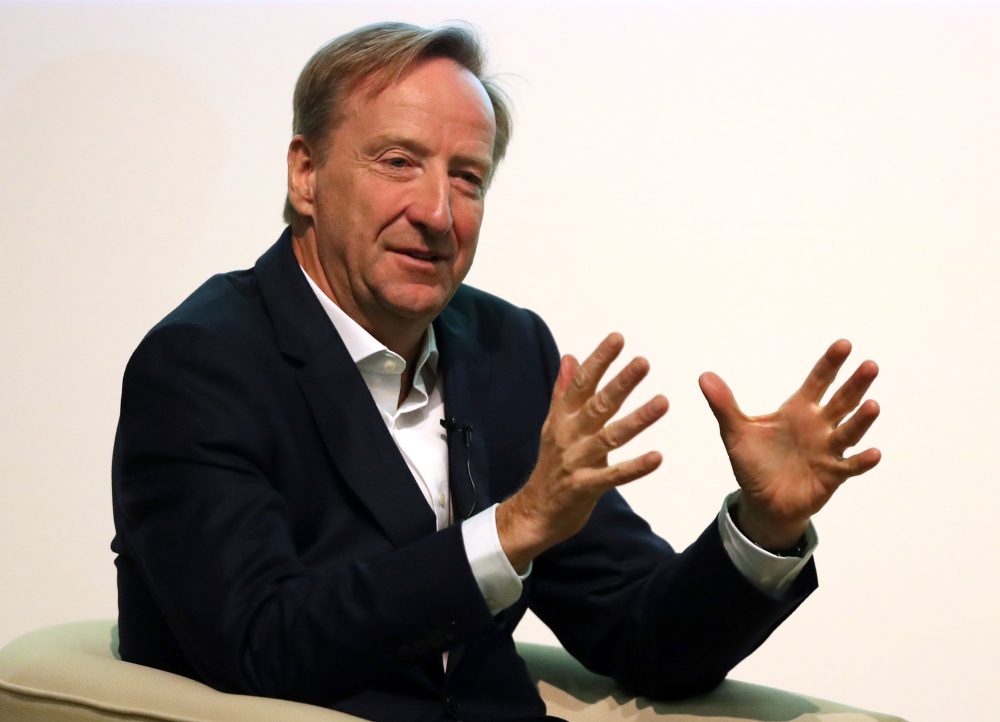

LONDON (AP) — The death of Alex Younger, former director of Britain’s MI6 intelligence service, at age 62 has prompted tributes from Prince William and Prime Minister Keir Starmer.
Younger directed the United Kingdom’s foreign intelligence operations, formally called the Secret Intelligence Service, between 2014 and 2020. He was among the earliest people in this position – designated by the code name C – to have their identity made public. Officials confirmed he had received a cancer diagnosis and passed away on Tuesday.
Nick Robinson, a BBC journalist who knew the former intelligence director personally, revealed that following his medical diagnosis, Younger had given his tumor the nickname “Putin,” referencing the Russian leader.
In 2019, Prince William completed work placements at Britain’s intelligence and security organizations to gain insight into their operations as preparation for his future role as monarch. On Thursday, the prince stated that Younger “embodied the very best of what the Secret Intelligence Service stands for – integrity, courage, and an unwavering commitment to protecting this country and its people.”
The Prime Minister described how Younger “will be remembered by the many ministers, colleagues, friends, and family for his utmost dedication to British public life and protecting our nation.”
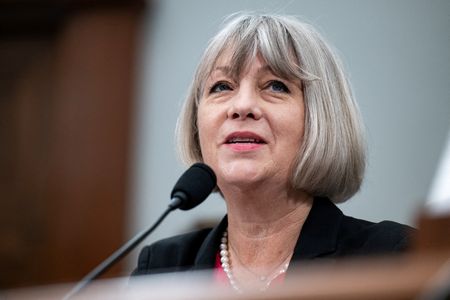
The present MI6 director, Blaise Metreweli, praised Younger for embodying “my service’s values of integrity, courage, creativity and respect.”
“He made a lasting and distinctive contribution to our country and indeed to global security,” she stated.
A graduate of St. Andrews University in Scotland, Younger completed military service with the British army prior to beginning his MI6 career in 1991. His three-decade tenure with the intelligence service included assignments in the Western Balkans during the 1990s, which he described as work that “involved many nights drinking obscure homemade alcohol, piecing together the intentions of the parties to that conflict.”
During a 2018 address at his former university, he reflected: “I had the satisfaction of knowing that my work, along with that of many others, helped to pave the way for the eventual arrest and prosecution of war criminals implicated in the murder or displacement of hundreds of thousands of people.”
His service also took him to Afghanistan following the September 11 attacks, and he later directed counterterrorism efforts, including security preparations for the 2012 London Olympics.
In a BBC interview last year, he described the dual nature of intelligence work. He admitted there was “a kick” to being “in this play that no one knows is even going on.”
“But at the same time, it is incredibly isolating,” he explained.
He recognized that the fictional character James Bond had created both opportunities and challenges for MI6’s public image.
“He has created a powerful brand for MI6,” Younger remarked in a 2016 address. “As C, the real-life version of M, there are few people who will not come to lunch if I invite them. Many of our counterparts envy the sheer global recognition of our acronym.”
However, he added: “were Bond to apply to join MI6 now, he would have to change his ways.”