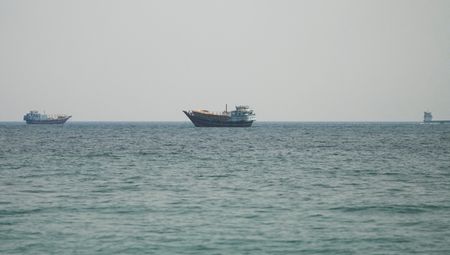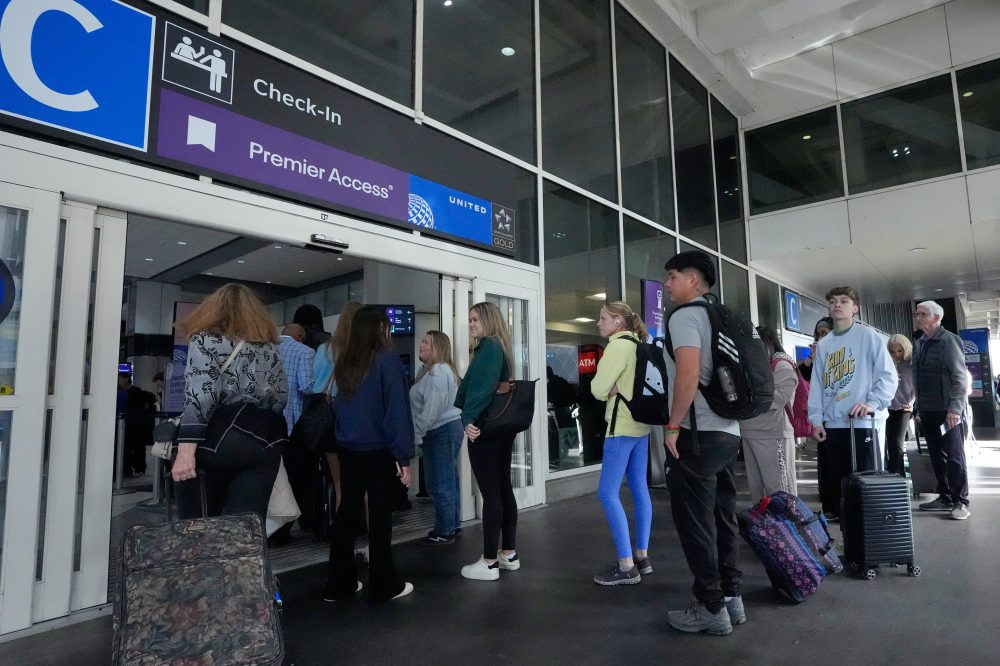

Middle East conflicts are creating jet fuel shortages and driving up costs, prompting airlines across the globe to cancel thousands of flights — creating headaches for travelers who must navigate complex passenger protection rules that differ dramatically by destination.
The timing couldn’t be worse for the travel industry.
“These pressures are arriving at a time when summer travel demand is ramping up, with major events such as the World Cup expected to put additional strain on airports,” said Eric Napoli, chief legal officer at AirHelp, a company that helps travelers secure compensation for flight disruptions and advocates for passenger rights.
Here’s what passengers should understand when facing flight cancellations.
Will I get last-minute notice?
Probably not. Currently, fuel-related cancellations are typically announced days or weeks ahead of time. Lufthansa Group, for instance, announced this week it’s eliminating 20,000 short-haul flights across its network through October.
This advance notice provides travelers more time to make alternate arrangements compared to weather-related cancellations, which usually happen at the last minute.
How should I handle rebooking?
Immediately check your airline’s mobile app or website for rebooking opportunities. For U.S. carriers, this digital approach is typically the quickest and most efficient way to secure alternate seating, according to Tyler Hosford, security director at International SOS, a global risk management and travel security company.
International carriers often have less sophisticated digital platforms, Hosford noted, so passengers should try multiple approaches, including calling customer service or visiting airport counters.
Am I guaranteed a refund or new flight?
Generally, yes. Airlines usually provide either full refunds or rebooking on their next available flight. While specific regulations differ by country, these represent the standard minimum options passengers can expect.
In the United States, airlines must provide full refunds when flights are canceled and passengers choose not to travel, regardless of the cancellation cause. While airlines may offer travel vouchers as alternatives, passengers are legally entitled to complete refunds for airfare and unused add-ons like baggage fees or seat upgrades.
Are compensation rules the same everywhere?
Absolutely not. Passenger protections vary dramatically by region — from the Montreal Convention governing airline liability across more than 140 nations to specific consumer protection legislation in the United States, Canada, the European Union, the United Kingdom, Turkey and Brazil.
European regulations provide some of the strongest passenger protections, including monetary compensation in certain situations. These rules apply to any flight departing from EU airports regardless of the airline, plus passengers flying EU-based carriers into Europe — even when trips originate outside the continent. The United Kingdom maintains similar standards.
The United States and Canada provide more limited protections. Asian policies vary significantly, and travelers may need to depend more on individual airline policies rather than formal government regulations.
Travel experts suggest researching the departure country’s name plus “passenger rights” before traveling to understand available protections.
Will I receive compensation for fuel-related cancellations?
It varies based on local laws and whether the disruption is considered within airline control.
Airlines may blame fuel shortages or rising fuel costs for cancellations. However, compensation eligibility often depends on whether local regulations consider the disruption within the carrier’s control.
Even when cancellations occur, Napoli explained, European Union airlines maintain a “duty of care,” requiring them to provide “necessary support” to travelers, including rebooking services.
“While airlines are citing fuel shortages as a reason for upcoming cancellations, travelers need to know that this does not automatically waive their rights” under EU laws, Napoli said.
How can I prepare for potential disruptions?
Several strategies can minimize disruption impacts.
Register for flight notifications to stay updated, and purchase tickets directly from airlines when possible — resolving problems directly with carriers is much simpler than working through third-party booking websites.
Understanding your options beforehand and developing contingency plans can significantly help when travel plans change.
Maintaining detailed records is essential. Keep everything: boarding passes, receipts, cancellation notifications and all airline communications.
Capture screenshots of app or website updates and online conversations, and write down important details from phone conversations.
Napoli also suggests requesting written confirmation of flight disruptions from airlines, including their stated reasoning.
Should I accept the first rebooking offer?
Not always.
Travel experts say passengers commonly make the mistake of accepting initial offers without exploring alternatives. Research other flights, routes or nearby airports because you might discover faster or more convenient ways to reach your destination.
Can I book my own replacement flight?
Yes, but exercise caution.
When airline rebooking options don’t meet your requirements — particularly if replacement flights aren’t available for several days — you can seek alternatives and request refunds instead.
However, you may need to pay fare differences upfront, and reimbursement isn’t guaranteed later.
Expert tips for smoother travel:
— Schedule flights earlier in the day to have more rebooking alternatives if problems arise.
— Activate flight notifications through tracking applications like Flighty for early cancellation or delay warnings. Sometimes, Hosford noted, these notifications arrive before official airline announcements.
— Research nearby airports as backup alternatives.
— Maintain courteous interactions. Airline representatives may be more helpful when conversations remain calm and respectful.
“Ultimately, the shortage is squeezing the entire system, from travelers to airlines, and is something to watch as the industry looks for any relief ahead of the summer travel season,” Napoli said.