
Global oil markets showed signs of growing anxiety Tuesday as escalating tensions between the United States and Iran pushed the price of near-term Brent crude futures to a one-month high compared to contracts set for delivery six months out.
The gap between the first-month and sixth-month Brent contracts reached $8.92 per barrel — the widest spread seen since June 10. When oil for immediate delivery costs more than oil for future delivery, it is called backwardation, a market condition that typically signals tight near-term supplies.
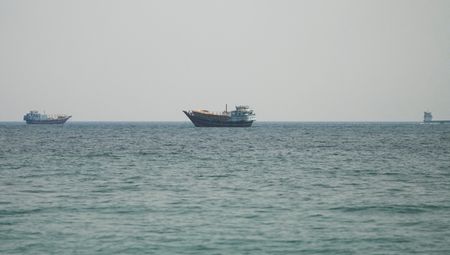
The shift follows a sharp increase in hostilities between the U.S. and Iran, including fresh military strikes and attacks on vessels near the Strait of Hormuz, rekindling fears about the safety of oil shipments out of the Middle East.
Ole Hansen, head of commodity strategy at Saxo Bank, described the move as a warning sign: “The return to backwardation signals that the market expects crude availability to remain constrained in the weeks ahead.”
The current market structure stands in stark contrast to conditions seen in early July, when near-term Brent prices were actually lower than future prices — a situation called contango, which typically reflects plentiful short-term supplies. At that time, recovering exports through the strait had calmed supply worries.
Neil Crosby, head of research at Sparta Commodities, offered a cautious interpretation of the latest move: “For the moment, this is largely a paper move, with investors likely pouring back into the market following the latest escalation.”
Crosby also flagged a developing concern in physical shipping: “We are seeing flows out of Hormuz slow, which could … impact the physical market incrementally over the coming weeks if disruptions persist.”
Other Middle Eastern oil benchmarks — Oman, Dubai, and Murban — also flipped from trading at discounts to premiums, another indicator of growing supply unease.
Data from Kpler released Monday showed that oil and gas tanker traffic through the region had fallen to its lowest point since May 25.