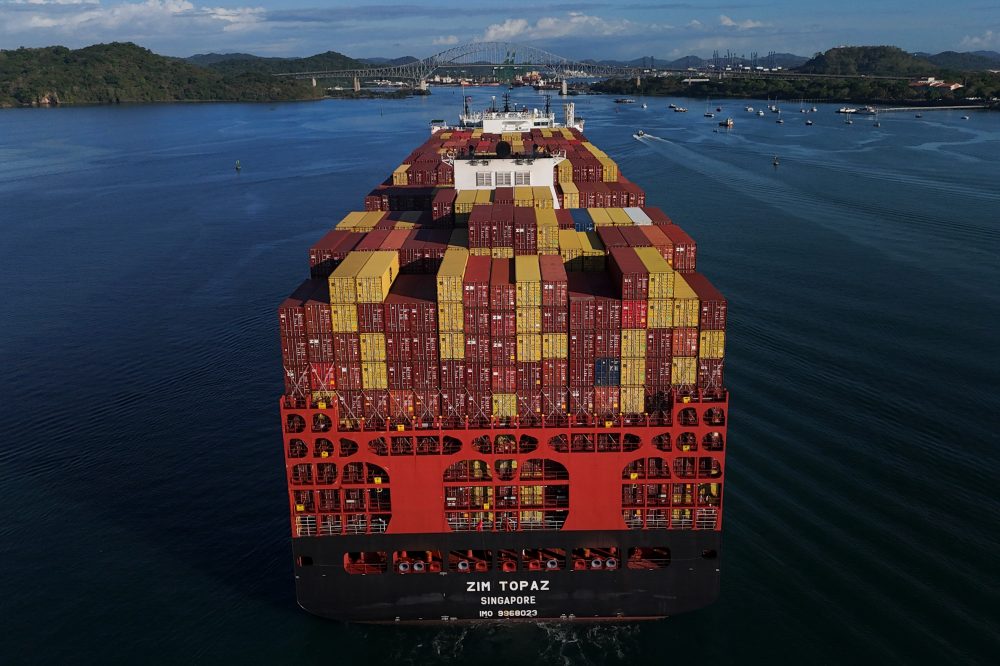

PANAMA CITY (AP) — Shipping companies are paying unprecedented fees reaching $4 million to expedite passage through the Panama Canal as ongoing Middle East tensions have effectively shut down the Strait of Hormuz, creating a dramatic transformation in worldwide shipping patterns, according to Panama Canal Authority officials.
The canal typically operates on a reservation system with standard pricing, but companies without advance bookings can secure passage through an auction process where slots go to the highest bidders instead of waiting for days in waters off Panama City.
These auction prices have surged dramatically in recent weeks as conflicts between Iran and the United States have created a bottleneck at the crucial Strait of Hormuz shipping lane. Vessels are increasingly choosing the Panama Canal route as cargo gets redirected and buyers seek suppliers from different regions to bypass the dangerous Middle Eastern passage.
“With all the bombings, the missiles, the drones … companies are saying it’s safer and less expensive to cross through the Panama Canal,” said Rodrigo Noriega, said lawyer and analyst in Panama City. “All of this is affecting global supply chains.”
Noriega added that Panama’s government is “maximizing what it can earn from the Panama Canal.”
Standard canal crossing fees typically run between $300,000 and $400,000 based on vessel size. Previously, companies seeking faster passage would pay an extra $250,000 to $300,000. In recent weeks, those additional costs have climbed to approximately $425,000 on average.
Canal administrator Ricaurte Vásquez revealed that one unnamed company paid an additional $4 million when its fuel tanker had to alter its route due to continuing geopolitical conflicts.
“It was a ship carrying fuel to Europe, and they redirected it to Singapore, and it needed to get there because Singapore is running out of fuel,” he said.
Additional oil companies have paid more than $3 million above regular crossing charges to speed their transit amid climbing oil prices.
Vásquez explained that vessels aren’t backing up at the canal, but rather the elevated costs stem from sudden route changes and increased urgency as ships need faster transit times amid broader trade disruptions.
Vásquez stressed that these elevated fees aren’t standard market rates, but temporary expenses companies are choosing to absorb.
“They decide how high a price to go,” Vásquez said.
While Panama benefits from increased canal revenue, the country has also faced consequences from the geopolitical crisis.
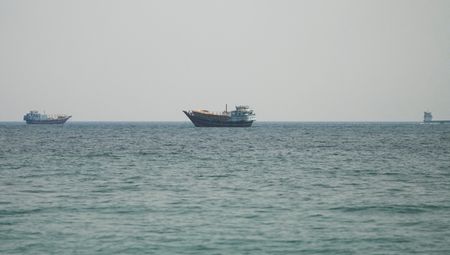
On Wednesday, Panama’s foreign ministry condemned Iran for illegally capturing a Panama-registered vessel belonging to Italian company MSC Francesca in the Strait of Hormuz.
Panama, which maintains one of the world’s largest ship registries, stated the vessel was “forcibly taken” by Iran. The ship’s current custody status remains unclear.
“This represents a serious attack on maritime security and constitute an unnecessary escalation at a time when the international community is advocating for the Strait of Hormuz to remain open to international navigation without threats or coercion of any kind,” it said.
Analyst Noriega predicted that Panama Canal crossing fees could continue climbing if the conflict persists, especially as oil prices continue their sharp increase. Brent crude oil prices briefly exceeded $107 per barrel this week, jumping from approximately $66 per barrel one year ago.
“No one really foresaw the potential effects (the war) would have on global trade,” Noriega said.