
Cuban officials announced Thursday that a fifth person has succumbed to injuries sustained during a deadly February confrontation involving a speedboat registered in Florida.
Cuba’s interior ministry reported that Roberto Álvarez Ávila passed away on March 4 from wounds received in the incident. Ministry officials stated that other injured individuals who were detained “continue to receive specialized medical care according to their health status.”
The fatal encounter occurred on February 26 when Cuban military personnel intercepted a speedboat carrying 10 individuals as it neared the island’s coastline. According to Cuban officials, those aboard the vessel fired upon the soldiers first. Cuba maintains that the boat’s occupants were armed Cuban expatriates residing in the United States who intended to infiltrate the country and “unleash terrorism.” Cuban forces reportedly killed four people initially and injured six others during the exchange.
“The statements made by the detainees themselves, together with a series of investigative procedures, reinforce the evidence against them,” Cuba’s interior ministry declared, noting that “new elements are being obtained that establish the involvement of other individuals based in the U.S.”
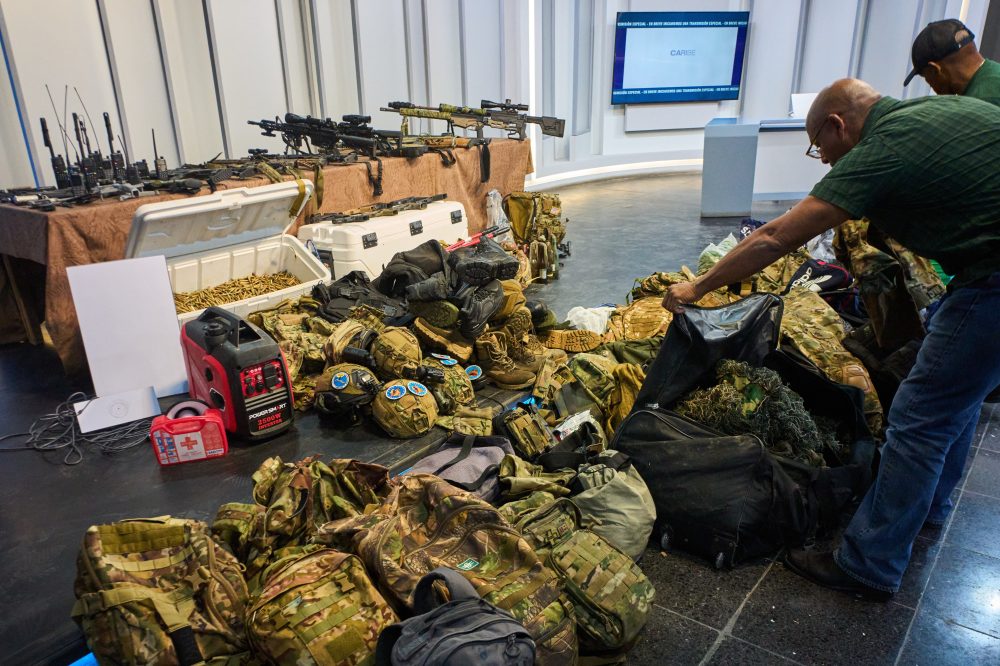
This week, Cuban authorities announced terrorism charges against six individuals who were aboard the vessel. Officials displayed confiscated materials they claim were recovered from the boat, including 12 high-caliber firearms, over 12,800 rounds of ammunition, and 11 handguns.
Cuban officials have released limited information about the shooting incident, stating only that it occurred approximately 1.6 kilometers northeast of Cayo Falcones along Cuba’s northern shoreline. While authorities provided the vessel’s registration information, verification remains difficult as Florida does not make boat registration records publicly accessible.
The incident has the potential to escalate diplomatic tensions between former President Donald Trump’s administration and the Cuban government. Cuba’s economic stability had previously depended heavily on Venezuelan oil support, which became uncertain following a U.S. military intervention that removed Venezuelan President Nicolás Maduro from power.