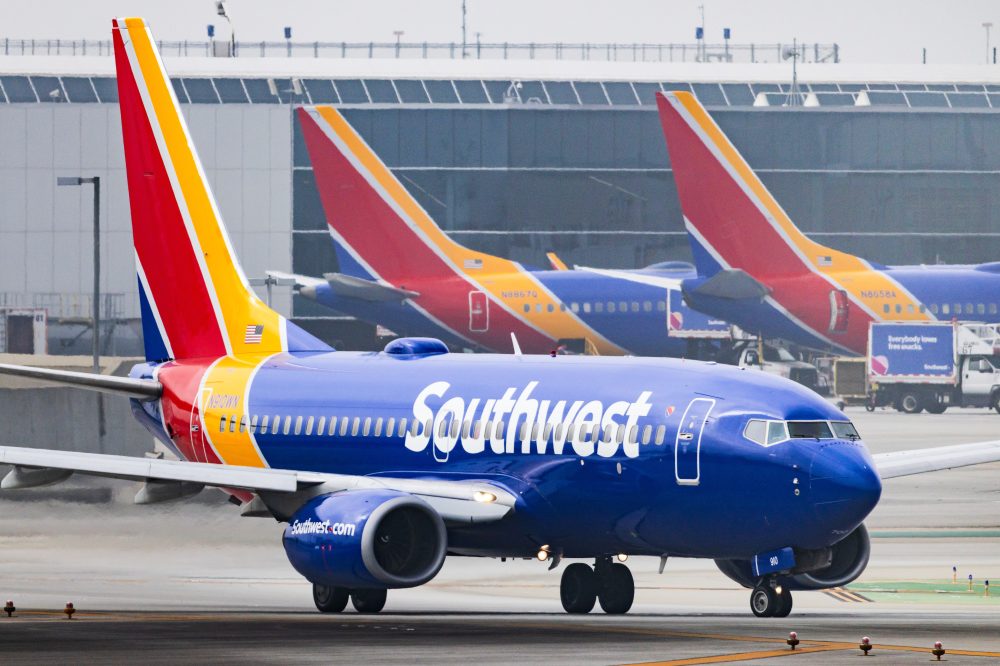

Federal aviation safety officials issued new recommendations Wednesday calling for airlines to provide more realistic training scenarios to help pilots handle smoke-filled cockpits, following an incident involving a Southwest Airlines aircraft that suffered a bird strike.
The National Transportation Safety Board stated that the flight crew who successfully brought their aircraft back to New Orleans informed investigators that the conditions they faced were significantly more difficult than any training exercise they had previously encountered.
“If such an event occurred at night or in instrument meteorological conditions, the consequences could be catastrophic,” the NTSB determined.
While the Federal Aviation Administration receives nearly daily reports about cockpit smoke incidents, the NTSB noted that the agency has not mandated airlines to perform realistic smoke simulation training. Current preparation typically involves only classroom discussions about proper response procedures. The FAA had not provided a response to the new guidance by Wednesday.
During the December 2023 emergency, the Southwest flight crew reported difficulty viewing their control panels and emergency procedures. They immediately put on oxygen equipment and executed emergency landing protocols. All 139 passengers and crew members escaped injury.
Southwest and the Airlines for America trade group had not responded to the latest findings by Wednesday.
Previously, the NTSB had recommended that Boeing and engine manufacturer CFM develop software modifications for 737 Max engines to prevent smoke infiltration into cockpits or passenger areas when safety systems activate after bird strikes.
The aircraft and engine companies had not provided progress updates on those modifications as of Wednesday.