
Federal authorities have arrested two men for producing explicit artificial intelligence-generated images and videos of female celebrities, marking among the first prosecutions under recently enacted legislation designed to combat deepfake pornography.
Cornelius Shannon, 51, and Arturo Hernandez, 20, were taken into custody Tuesday on charges related to creating sexually explicit AI content that garnered millions of online views, court documents reveal.
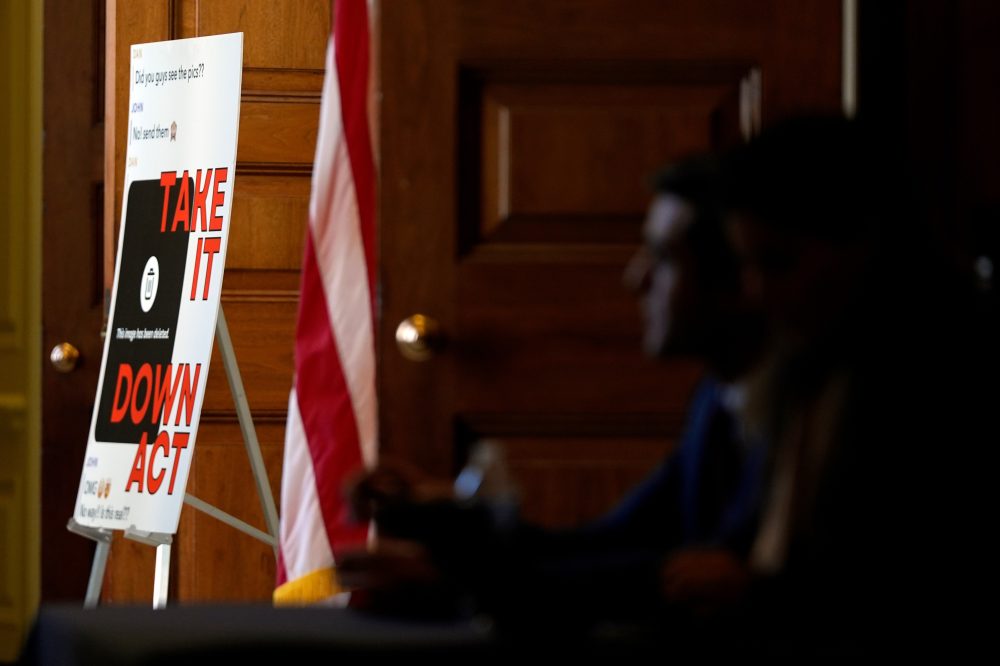
The two defendants, who appear unrelated to each other, are facing prosecution under the Take It Down Act, legislation enacted last year by President Donald Trump that imposes enhanced penalties for distributing AI-created deepfakes and revenge pornography. The measure received support from both political parties and public endorsement from first lady Melania Trump.
Both men could receive prison sentences of up to two years under the new legislation.
Legal representatives for Shannon and Hernandez have not yet responded to requests for comment.
Joseph Nocella, the U.S. attorney in Brooklyn, released a statement saying the defendants had “used cutting-edge digital technology to create images that degraded and violated” dozens of women. “This case makes clear that posting deepfake pornography is not a victimless crime,” he added.
According to court filings, Shannon, who lives in New Jersey, distributed at least 240 collections of AI-created pornographic content featuring female politicians, musicians and singers.
Prosecutors stated that Hernandez, a Texas resident, created deepfake material depicting both celebrities and private individuals, including recent high school graduates.
These arrests occur amid growing concerns about increasingly advanced generative AI technology fueling the proliferation of sexually explicit fake content online, frequently targeting minors.
An Ohio man became the first individual convicted under the Take It Down Act last month after admitting guilt to using AI for generating child sexual abuse material.
In March, two teenage boys in Pennsylvania received probation sentences for producing explicit AI images of their classmates at an exclusive private school.
Additionally, three Tennessee teenagers filed a lawsuit earlier this year against Elon Musk’s xAI, alleging the company’s Grok tools transformed their actual photographs into sexually explicit images.
The high school students are pursuing class-action status to represent what their lawsuit claims are thousands of other minors who suffered similar victimization.