
A federal judge in Manhattan has turned down prediction markets company Kalshi’s request to prevent New York from applying its gambling laws to the platform, dealing a setback to the company in an escalating dispute between state and federal regulators over who controls the booming industry.
U.S. District Judge Analisa Torres issued her ruling Tuesday, finding that Kalshi did not meet the legal standard for a preliminary injunction. She determined that the federal Commodity Exchange Act does not override New York’s gambling statutes when it comes to Kalshi’s sports-event contracts.
Judge Torres further concluded that New York’s concerns — including combating gambling addiction, protecting the integrity of sports, and preventing an explosion of unregulated contracts — “heavily” outweigh Kalshi’s interests in asserting the supremacy of federal law and avoiding what the company described as “intractable” technology problems for its users.
“Kalshi has not, therefore, made a clear or substantial showing that it is likely to succeed on the merits,” Torres wrote in her decision, noting that other federal courts are split on the matter.
An attorney representing Kalshi declined to offer any comment following the ruling. The company quickly moved to appeal Torres’ decision to the federal appeals court in Manhattan.
New York Governor Kathy Hochul and Attorney General Letitia James issued a joint statement Wednesday expressing support for the outcome.
“New York’s gambling laws are designed to protect consumers,” they said. “We will continue to hold all gambling platforms accountable to the law — and that includes prediction markets.”
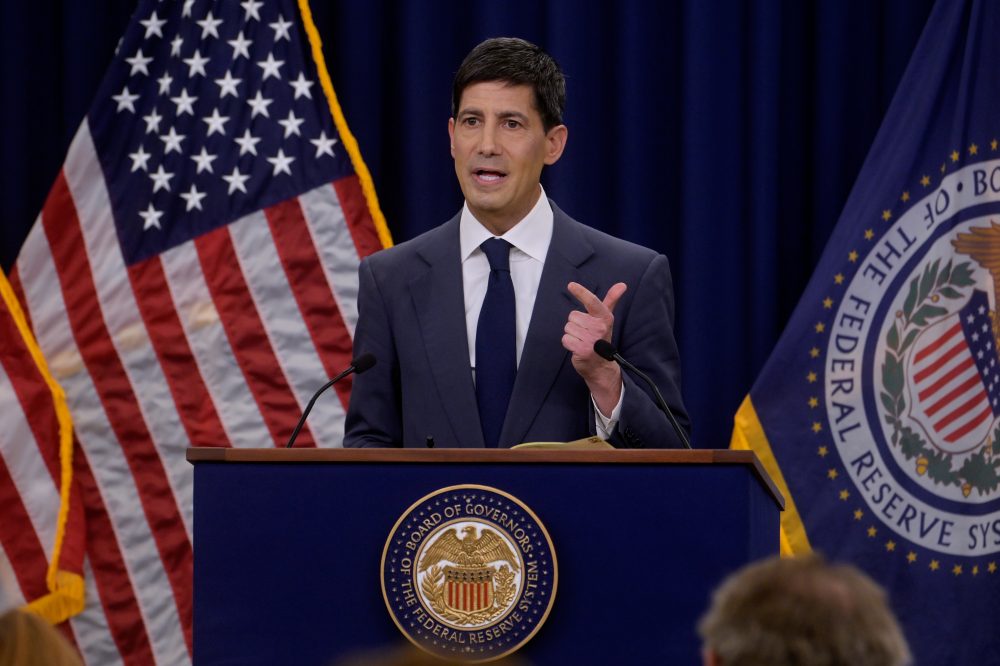
The U.S. Commodity Futures Trading Commission disagrees with New York’s position. CFTC Chairman Michael Selig has argued the agency holds “exclusive” jurisdiction over commodity derivatives markets, which he says includes prediction markets.
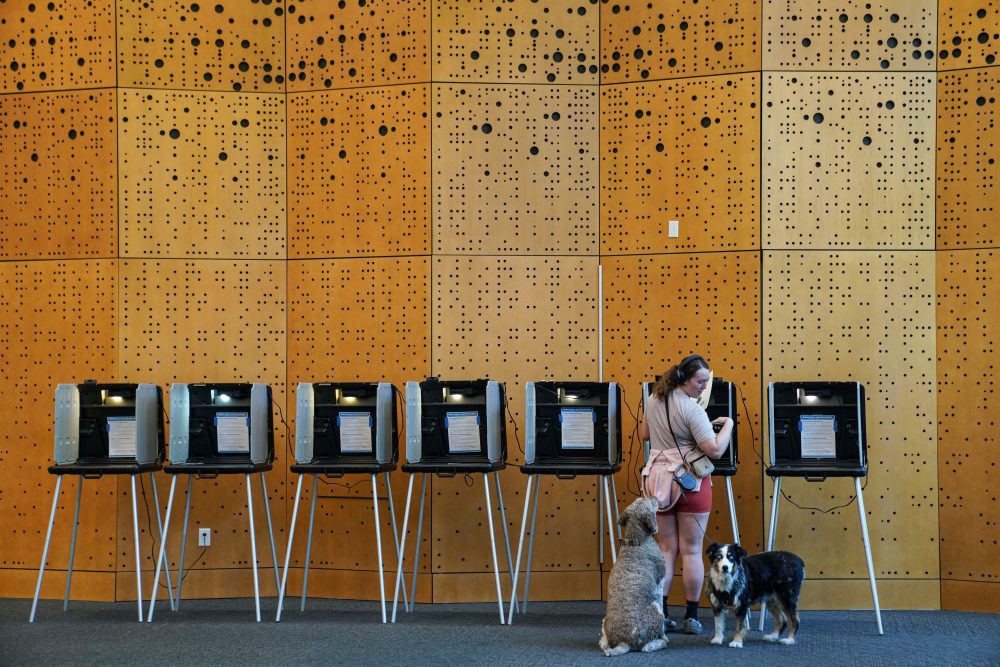
Prediction markets platforms like Kalshi and Polymarket allow users to place wagers on the outcomes of events ranging from sports competitions to elections. These platforms saw a dramatic rise in popularity following the 2024 U.S. presidential election, when their real-time odds outperformed traditional polling in forecasting Republican Donald Trump’s win over Democrat Kamala Harris.
Kalshi first took New York to court last October, after the state’s gaming commission directed the company to stop offering sports event contracts without a license. New York then went on offense on April 21, filing lawsuits against Coinbase Financial Markets and Gemini Titan, accusing both of facilitating gambling through their own event contracts.
The CFTC entered the fray three days after that, suing New York. The federal agency announced last month that it has also challenged similar state-level regulatory actions in Arizona, Connecticut, Illinois, Kentucky, Minnesota, New Mexico, Rhode Island, and Wisconsin.