
TRENTON, N.J. — A federal judge delivered a scathing rebuke to federal prosecutors Monday, ejecting one attorney from his courtroom and demanding that New Jersey’s three top U.S. Attorney officials appear before him to testify under oath.
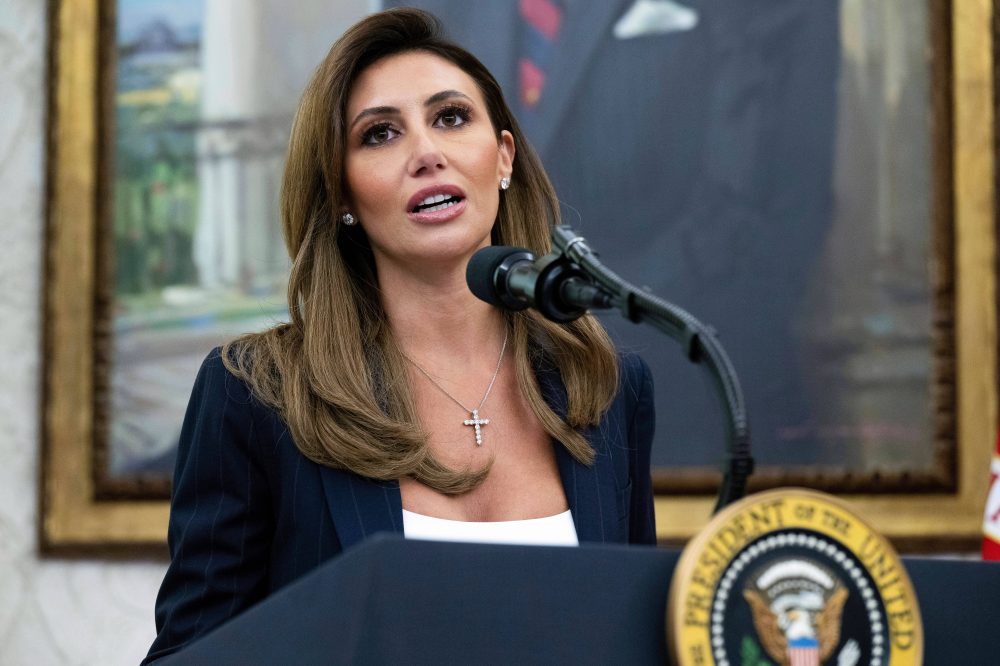
U.S. District Judge Zahid N. Quraishi unleashed his frustration with the Justice Department’s handling of federal prosecutions in New Jersey during what became a heated 22-minute court session. His anger followed another judge’s ruling last week that found the Trump administration’s appointment of three officials to replace interim U.S. Attorney Alina Habba violated constitutional requirements for Senate confirmation.
The three officials — Philip Lamparello, Jordan Fox and Ari Fontecchio — continue to lead the office while the government appeals the decision.
During questioning of Assistant U.S. Attorney Daniel Rosenblum about the office’s current leadership structure and whether Habba maintains any operational control, Judge Quraishi became incensed when another prosecutor tried to interrupt. He accused Supervisory Assistant U.S. Attorney Mark Coyne of attempting to “blindside” the court and demanded he leave immediately or face removal by security.
The confrontation occurred as Quraishi prepared to sentence a defendant in a child sexual abuse material case, which he described as compromised by poor investigative work and rushed plea negotiations. The sentencing has been postponed.
“You have lost the confidence and the trust of this Court,” Quraishi declared to Rosenblum. “You have lost the confidence and the trust of the New Jersey legal community, and you are losing the trust and confidence of the public.”
The New York Times documented the judge’s comments and published a complete transcript of the proceedings online.
Justice Department spokesperson Chad Gilmartin responded to the Times, stating: “Unfortunately some judges are more interested in courtroom theatrics and constitutional overreach than promoting public safety. It is an especially troubling moment when a court chooses to sideline a case involving child exploitation.”
The three officials, dubbed “the triumvirate” by Judge Quraishi and in court documents, remain in their positions because Judge Matthew Brann temporarily suspended his order barring them to allow time for appeal. However, Brann emphasized in his 130-page ruling that “a stay cannot validate an unlawful appointment” and warned “If the Government chooses to leave the triumvirate in place, it does so at its own risk.”
“Here is your risk. This is your risk,” declared Quraishi, who received his appointment from President Joe Biden in 2021.
The judge expressed disbelief at Rosenblum’s assertions that Lamparello, Fox and Fontecchio maintain full control without outside interference from figures like Habba.
Quraishi announced he would not accept any statements from federal prosecutors until the three officials appear before him in Trenton on May 4. Should their testimony prove unsatisfactory, he indicated he might compel Habba and Deputy Attorney General Todd Blanche, the Justice Department’s number two official, to testify as well.
The judge’s irritation was evident from the hearing’s opening moments, as he criticized Coyne for appearing without advance notice and repeatedly interrupting without court permission.
“I’m not going to hear from you, Mr. Coyne. If you want to sit there for moral support or hand Mr. Rosenblum Post-its or whisper in his ear, I’ll let you do that as supervisor,” Quraishi stated during one of several confrontations before ordering Coyne’s departure.
Quraishi also criticized prosecutors’ decision-making in the child sexual abuse material case, questioning why they finalized a plea agreement before FBI agents completed their search of the defendant’s electronic devices. The agreement requires a “significantly lower” sentence than federal guidelines recommend, according to the judge.
“It was a sloppy investigation where, while you executed a plea agreement, the FBI uncovered significantly more child pornography that you couldn’t charge and now you’re stuck with a plea agreement because you’re bound by it,” Quraishi explained.