
A federal court has given the green light to a controversial lithium mining operation in Nevada, dismissing environmental groups’ legal challenge aimed at protecting an endangered wildflower species.
U.S. District Judge Cristina Silva delivered the Friday decision that represents a significant win for the massive Rhyolite Ridge Lithium/Boron Mine Project spanning 11 square miles in Esmeralda County, situated between Reno and Las Vegas. According to Bernard Rowe, managing director of Australia-based Ioneer, the site contains the world’s largest lithium and boron reserves outside Turkey.
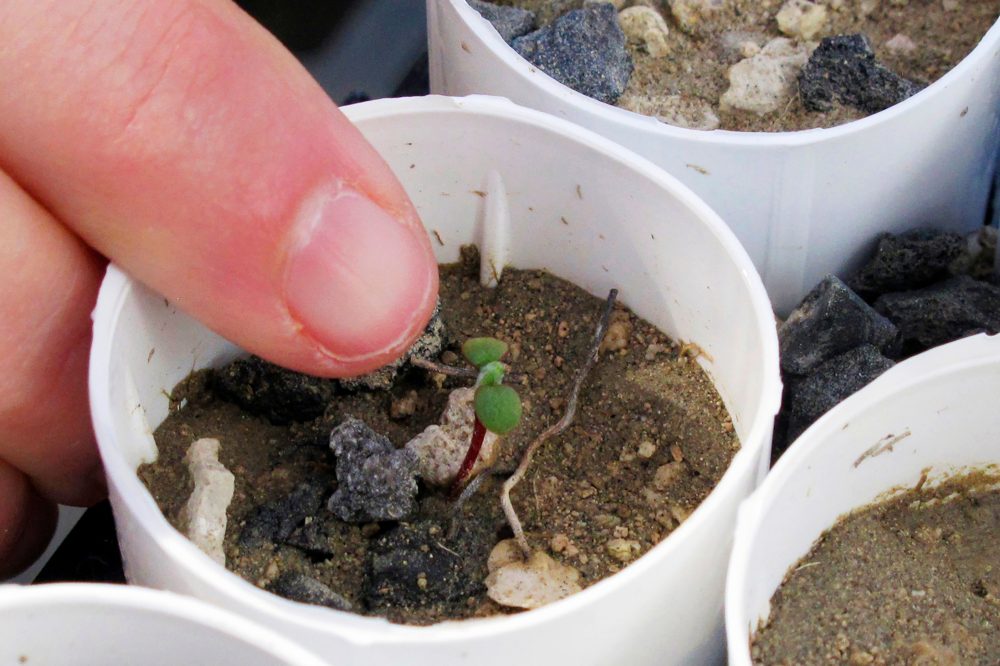
Judge Silva determined that federal agencies properly vetted the mining operation and adequately studied its potential effects on Tiehm’s buckwheat, an endangered wildflower whose entire global population exists within just 10 acres inside the proposed mining zone. Conservation organizations involved in the legal battle indicate they may pursue an appeal.
The critical mineral lithium serves as a key ingredient in batteries for electric vehicles. This facility would become Nevada’s third lithium extraction site and among the few that will handle on-site processing, Rowe explained.
“Rhyolite Ridge will create hundreds of new American jobs, reduce reliance on foreign materials and processing, and provide a domestic source of two critical minerals,” stated Chad Yeftich, Ioneer’s vice president of corporate development and external affairs.
Company officials hope to begin construction before year’s end and commence production by 2029, although they continue seeking a financial partner following a major investor’s withdrawal last year. Sibanye Stillwater determined the venture lacked financial viability. The Department of Energy approved nearly $1 billion in financing for the project this past January.
The $2 billion operation is designed to operate for more than 77 years, generating sufficient lithium carbonate to power approximately 400,000 electric vehicles, Rowe noted. The facility will additionally manufacture boric acid for use in pesticides, fire retardants, and medical and personal care products.
The Biden administration initially endorsed Rhyolite Ridge as part of its clean energy initiatives. The current Trump administration has similarly backed Nevada lithium projects to strengthen domestic critical mineral production. Interior Department officials declined to provide comment.
The Center for Biological Diversity, which has championed the wildflower’s protection and successfully secured its endangered species listing in 2022, remains committed to the fight, according to Great Basin Director Patrick Donnelly.
His group is weighing an appeal to the Ninth Circuit Court of Appeals, contending the case could set precedent affecting other species and protected areas under the Endangered Species Act.
“This can seem like a little remote flower in the middle of nowhere. But if we lose on Tiehm’s buckwheat, you know, what else are we facing with the whittling away of the Endangered Species Act?” Donnelly questioned.
The endangered Tiehm’s buckwheat stands just inches tall and grows across an area equivalent to seven football fields in the Silver Peak Range. During spring months, the plant develops green foliage and distinctive yellow pom-pom-shaped flowers. When flowering, it becomes the center of a thriving pollinator ecosystem, Donnelly described.
Judge Silva, appointed during the Biden presidency, concluded that Ioneer’s protective measures—including habitat fencing and buffer zones separating mining operations from the buckwheat population—meet Endangered Species Act requirements. Silva noted that the project will eliminate 4.9% of the flower’s 1.4 square mile critical habitat area.
Donnelly argues the mining development will heighten extinction risks for the wildflower, potentially disrupting ecosystem biodiversity. He questions whether protective fencing will adequately safeguard the habitat.
“There’s been this kind of death by a thousand cuts for Tiehm’s buckwheat,” Donnelly observed, warning that project approval would deliver the “death blow” to the species.