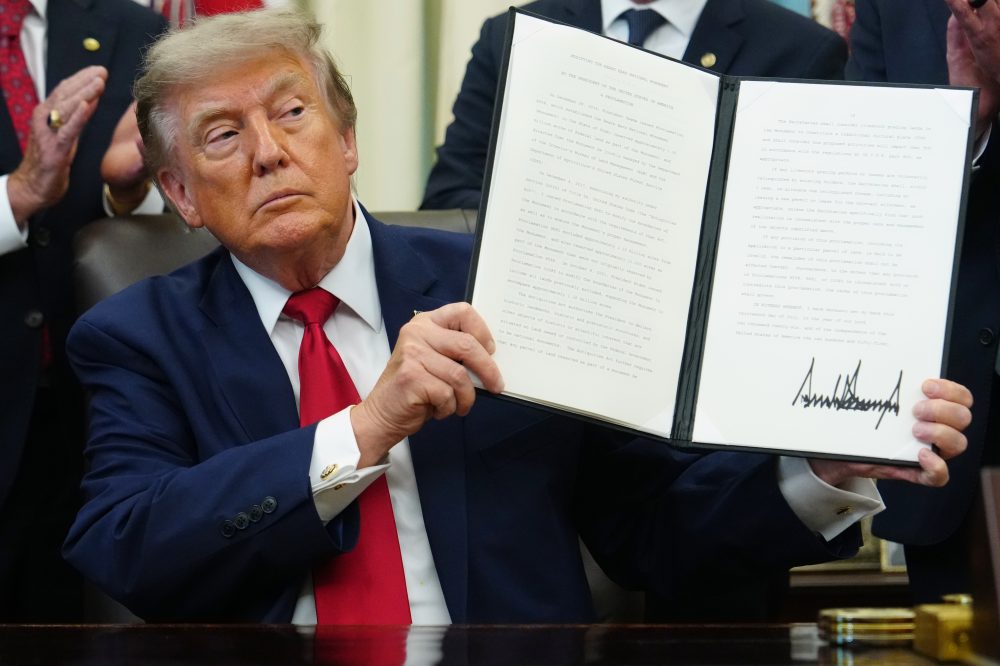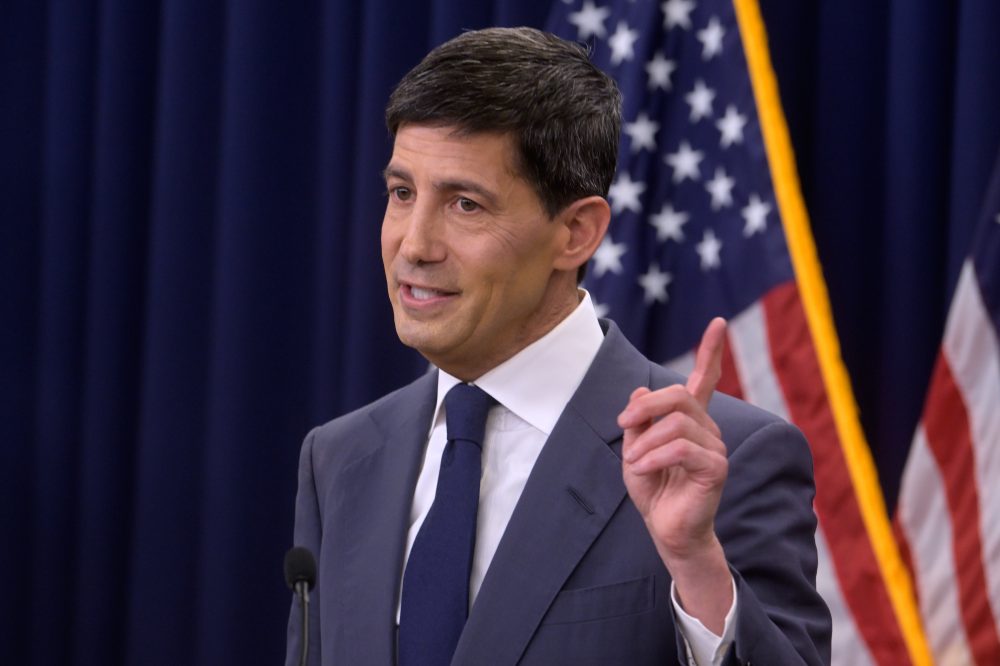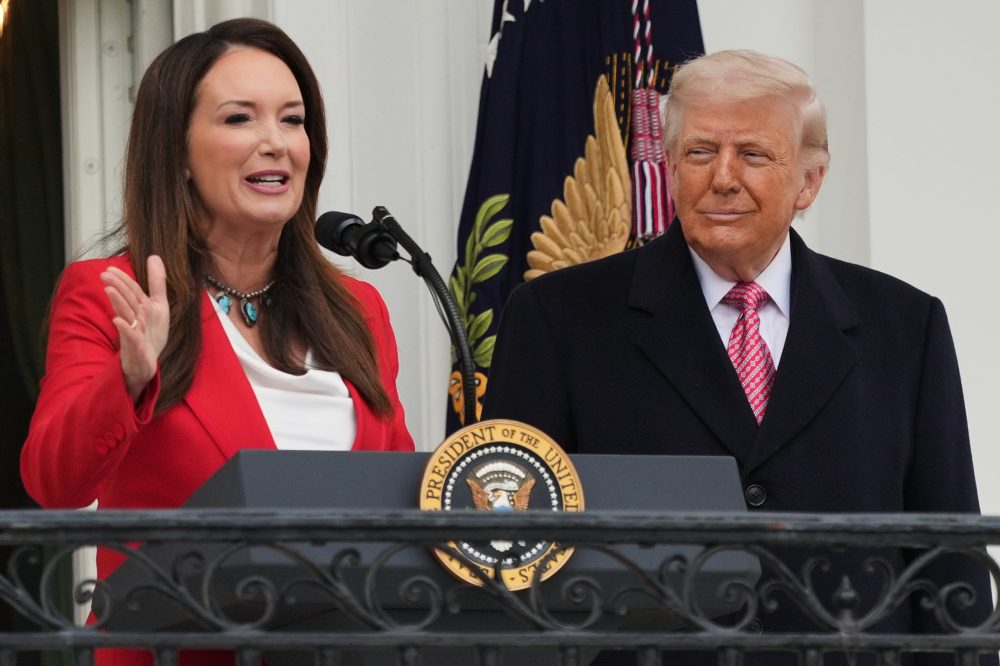

The Trump administration unveiled plans Tuesday to relocate the U.S. Forest Service’s main headquarters from Washington D.C. to Salt Lake City, marking a significant reorganization that will close research operations in 31 states and shift resources westward.
Agriculture Secretary Brooke Rollins indicated the relocation should wrap up by summer 2027, explaining the change will position agency leadership nearer to the lands under their management and the communities that rely on them.
“Effective stewardship and active management are achieved on the ground, where forests and communities are found — not just behind a desk in the capital,” Forest Service Chief Tom Schultz said.
The western states contain nearly 90% of National Forest System territory, though Utah ranks just 11th nationally for forest coverage with approximately 14,300 square miles.
This mirrors Trump’s previous term when he relocated the Bureau of Land Management to Colorado for similar reasons, wanting senior officials positioned closer to the public lands under their oversight. However, the Biden administration later reversed that decision, returning BLM headquarters to the nation’s capital after just two years.
As part of Trump’s broader effort to streamline federal operations and reduce workforce size, the Agriculture Department has been relocating thousands of employees from Washington and eliminating management layers over the past year.
The Utah move will affect approximately 260 Forest Service positions currently based in Washington, with 130 employees remaining in the capital, according to agency officials.
Deputy Agriculture Secretary Stephen Vaden highlighted Salt Lake City’s appeal, citing its affordable living costs, international airport access, and the state’s “family-focused way of life.” The city represents a Democratic stronghold within a Republican state influenced by values from the locally-based Church of Jesus Christ of Latter-day Saints.
Republican Utah Governor Spencer Cox praised Tuesday’s announcement as “a big win for Utah and the West,” while environmental organizations expressed concern about potential agency weakening.
Taylor McKinnon from the Arizona-based Center for Biological Diversity characterized the relocation as “a costly bureaucratic reshuffle” that would increase corporate and state influence over logging, mining, and drilling activities on public lands.
“National forests belong to all Americans,” said McKinnon, the environmental group’s Southwest director. “Our nation’s capital is where federal policy is made and where the Forest Service headquarters belongs.”
Josh Hicks, conservation campaigns director at The Wilderness Society, warned the move would reduce public forest access and endanger wildlife habitats, clean water, and air quality.
“At a time when wildfires are getting worse, and access to public lands is already under strain, the last thing we need is an unnecessary reorganization that creates chaos and confusion for the land managers, researchers and wildland firefighters who help keep our forests healthy now and for future generations,” he said.
The Wilderness Society referenced Trump’s earlier BLM relocation, noting it caused departures among experienced management staff and could similarly weaken the Forest Service.
The restructuring will eliminate numerous regional offices, transferring their functions to central hubs in New Mexico, Georgia, Colorado, Wisconsin, Montana, and California. Rather than operating multiple scattered research stations with separate leadership, the agency will consolidate its research operations at one facility in Fort Collins, Colorado.
Forest Service officials have not determined how many regional office employees will need to relocate, and a spokesperson declined to specify whether layoffs would occur during the transition.
U.S. Representative Teresa Leger Fernández, a New Mexico Democrat serving on the House Natural Resources Committee, questioned the timing given the Mountain West’s record-low snowpack, extreme temperatures, and anticipated severe fire season.
However, she expressed measured hope that the reorganization might benefit New Mexico and neighboring states if leadership and employment opportunities move closer to those areas.
Utah Representative Celeste Maloy, a Republican committee member, endorsed bringing the headquarters to her state, suggesting it could enhance wildfire response and ensure decisions reflect actual field conditions.
Sarah Fisher, the Forest Service’s deputy chief of fire and aviation management, assured listeners during a Tuesday podcast that the agency’s operational firefighting personnel would remain unchanged.