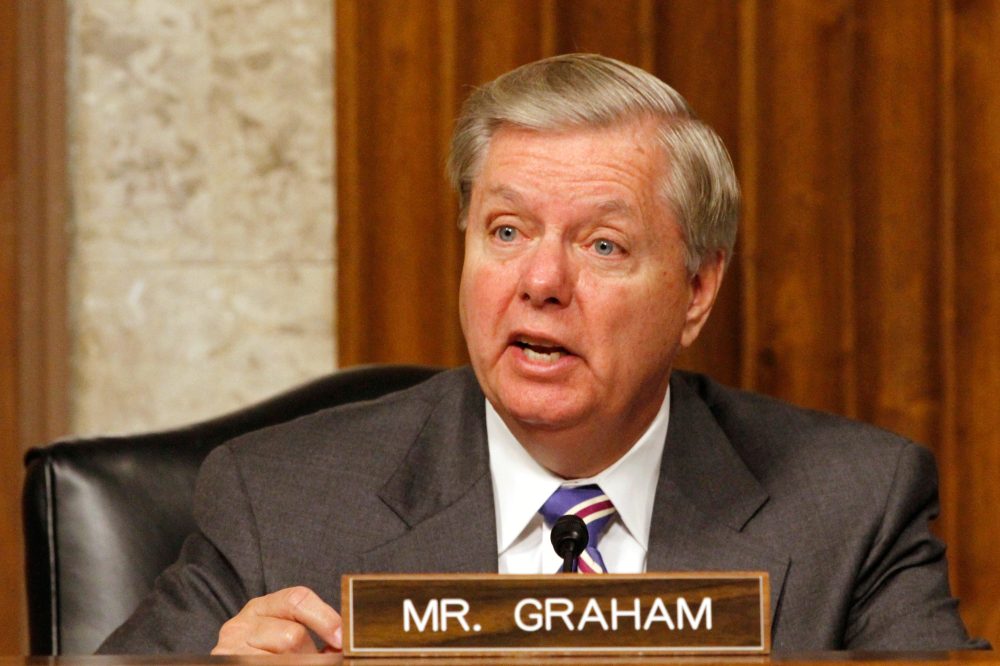

The sudden passing of Sen. Lindsey Graham on Saturday night triggered a wave of unfounded conspiracy theories on social media, with many users falsely claiming that his death was the result of criminal activity.
Online posts pointed fingers at several foreign governments — including Russia, Iran, Ukraine, and Israel — accusing them of orchestrating Graham’s death. Other claims suggested his travel schedule made it physically impossible for him to have died in Washington, while some pointed to FBI involvement with local authorities as supposed proof that something sinister had occurred.
However, early findings from a medical examiner tell a very different story.
CLAIM: Sen. Lindsey Graham was killed as the result of criminal actions.
THE FACTS: This claim has no basis in evidence. Graham, who was 71 years old, died from a tear in his aorta, according to a preliminary medical examiner’s finding released by his office. A final, official cause of death will be determined after toxicological and microscopic testing is completed.
The tear — known medically as an aortic dissection — occurred in the inner wall of his aorta and was connected to arterial hardening. Graham’s office had initially described the cause as a “brief and sudden illness.”
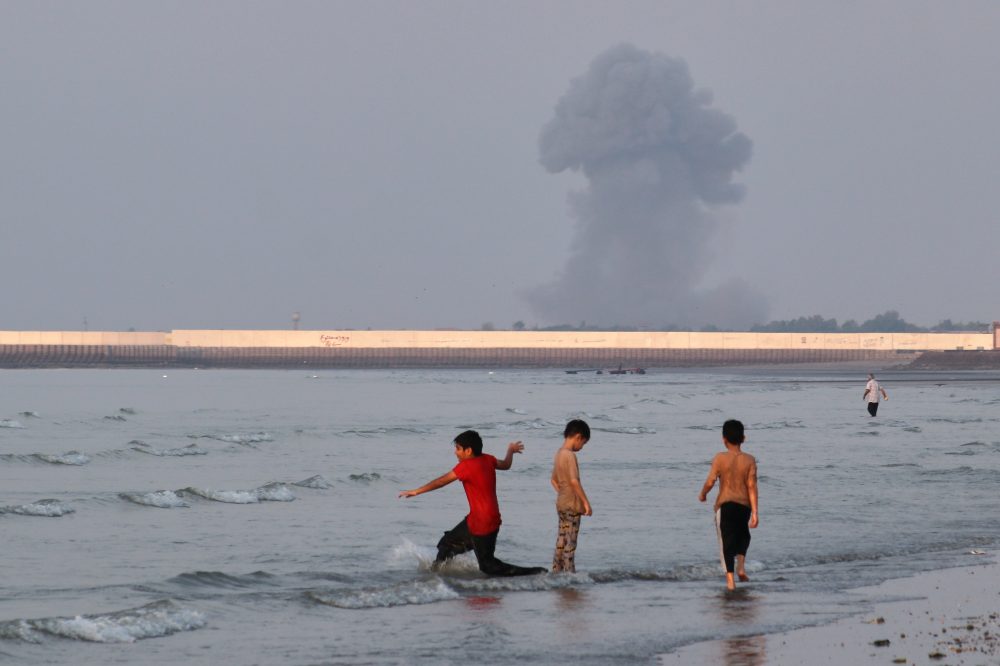
Numerous posts on social media blamed foreign nations for his death. One widely shared post on X read: “Graham inspected a drone factory in Ukraine yesterday. Russia blew up that facility today. Then, tonight, it is announced that Graham is dead of a ‘sudden illness.’ No more details. I’d say there is a decent chance that Russia blew up Lindsey Graham.”
Another post on the same platform claimed, referencing Israel’s national intelligence agency: “Most realistic it was Mossad job in order to push Trump to renew full scale war with Iran. It clearly means ‘you are the next’. Lindsey Graham was the shadow of Trump, his black self.”
Graham had been a prominent voice on foreign policy in Washington. On Friday, during a visit to Ukraine, he announced an agreement with the Trump administration to advance a package of Russia sanctions. He was also among the strongest supporters of Trump’s military posture toward Iran, having long advocated for direct confrontation between the U.S. and Tehran. Graham was a staunch ally of Israel, and his stance on the war in Gaza drew criticism from many in the Middle East, including some U.S. allies who favored a diplomatic approach.
Additional social media posts questioned whether Graham could have traveled back from Ukraine quickly enough to have died in Washington, and suggested that FBI activity near his home pointed to a cover-up.
FBI Director Kash Patel addressed the bureau’s involvement in a Sunday morning post on X, writing that “the FBI is assisting local authorities and has made every necessary resource available.” When asked for further clarification on Monday, the FBI responded that it had “nothing to add.”
Misinformation experts say it is not unusual for false narratives to gain traction following major news events. Callie Kalny, an assistant professor of communication at the University of Kentucky, explained why Graham’s death was particularly vulnerable to conspiracy theories: “The sudden death of a high-profile, polarizing figure like Lindsey Graham is especially fertile ground for conspiracy theories in part because it generates intense emotional reactions — shock, grief, anger, even relief or schadenfreude — depending on where someone stands politically. Under these circumstances, a dramatic explanation about Graham’s death — for instance, that a foreign adversary was involved — might simply feel more compelling or more emotionally satisfying than the reality of an aortic dissection.”