
HAVANA (AP) — Four Democratic U.S. lawmakers wrapped up a weekend trip to Cuba, speaking out strongly against the energy embargo placed on the island by President Donald Trump, with one comparing conditions there to a “silent Gaza.”
The energy embargo took effect in January, following the capture of Venezuela’s then-President Nicolás Maduro. The Trump administration also threatened tariffs against any nation that continues selling fuel to Cuba. These measures have deepened a crisis that has already been building for five years, worsened by earlier sanctions and failed economic policies on the island, including a troubled monetary unification effort.
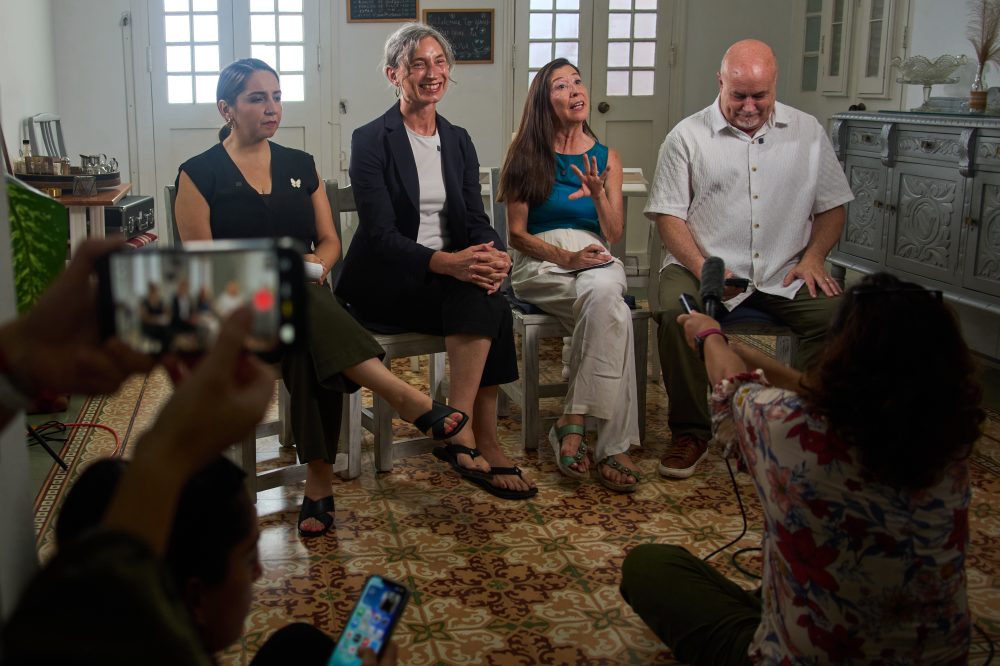
Reps. Mark Pocan of Wisconsin, Teresa Leger-Fernández of New Mexico, Maxine Dexter of Oregon, and Delia Catalina Ramírez of Illinois arrived in Cuba on Thursday. During their stay, they sat down with Cuban President Miguel Díaz-Canel, as well as government ministers, healthcare workers, and business figures. They also walked the streets of Havana before departing Monday. This marked the second congressional visit to the island in the past three months.
When reporters asked whether any progress had been made toward lifting the embargo through diplomatic talks, the lawmakers were clear: there are no current negotiations between Washington and Havana.
“I think (Secretary of State) Marco Rubio is making this personal and not professional,” said Rep. Pocan.
Rubio, whose parents emigrated from Cuba, grew up in Miami and built his political career in part under the influence of anti-Castro exile communities there.
Both governments have acknowledged that some level of contact between officials has occurred, though neither side has provided specifics about when or where those conversations last took place. Adding to the diplomatic backdrop, the grandson of 95-year-old socialist leader Raúl Castro — Col. Raúl Guillermo Rodríguez Castro — recently offered to serve as a go-between with the Trump administration. He held a private meeting with Rubio on the sidelines of a Caribbean Community summit in St. Kitts back in February.
Trump and Rubio have both signaled that they view the embargo as a tool to pressure Cuba’s government, which they describe as inefficient. Cuban officials, meanwhile, have called the embargo collective punishment against the Cuban people.
The effects are visible across daily life in Cuba: power outages stretching beyond 20 hours a day, crippled public transit, canceled flights, declining tourism, shortened work schedules, and a broad slowdown in everyday routines.
Rep. Pocan said someone he spoke with during the visit described the situation as a “silent Gaza” — a comparison he called an “apt description.”
“There may not be bombings, but there are certainly conditions that prevent people from going about their daily lives. They can’t go to work, they can’t preserve their food, they can’t access medical supplies, or live as they did before,” Pocan said.
Rep. Leger-Fernández stated it “doesn’t make any sense at all to force a country to suffer.”
Rep. Dexter, who is also a licensed physician, and Rep. Ramírez announced plans to push for amendments in Congress aimed at reducing the health consequences of the embargo. They also said they would work to block any further unilateral action by Trump — including the military operations he has repeatedly threatened — without first obtaining congressional approval.