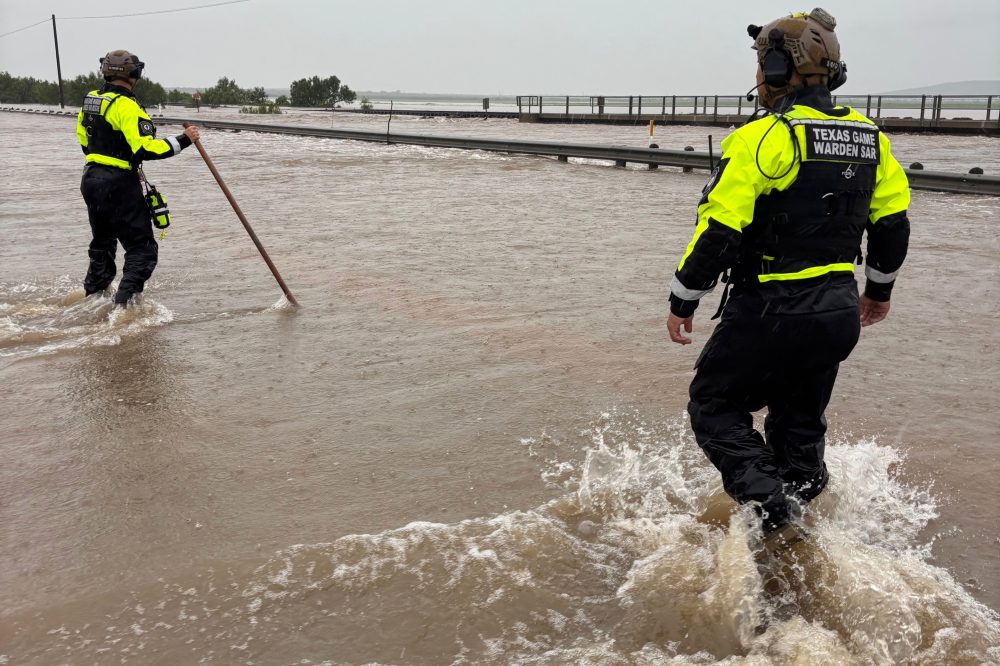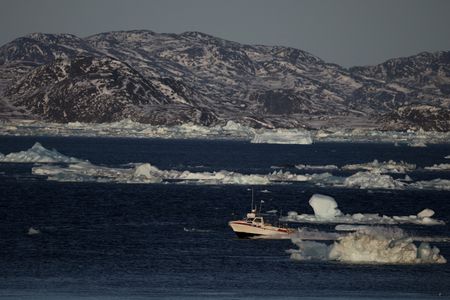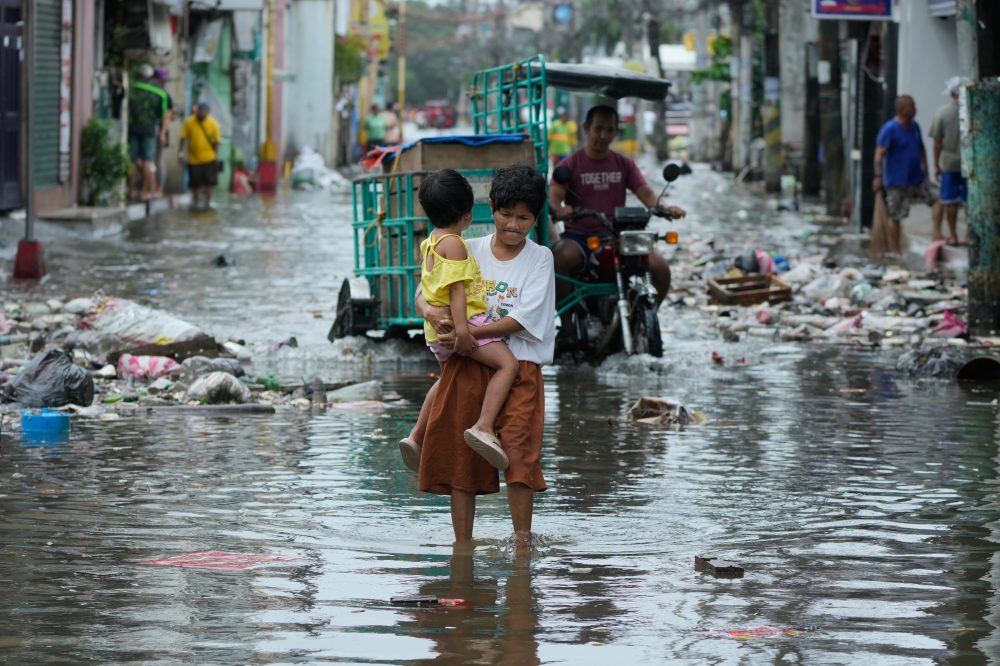

Federal weather experts are predicting a calmer Atlantic hurricane season this year, crediting a strengthening El Nino weather pattern that typically suppresses storm development in the region.
The National Oceanic and Atmospheric Administration released its seasonal prediction Thursday, indicating a 55% probability of below-normal hurricane activity. Weather officials anticipate eight to 14 named storms this season, with three to six reaching hurricane strength and one to three becoming major hurricanes.
Typical hurricane seasons produce 14 named storms, with seven reaching hurricane status and three becoming major hurricanes with winds exceeding 110 mph.
Eighteen additional forecasting organizations from private companies and universities have issued similar predictions, with most calling for reduced activity during the summer and fall months. These independent forecasts project an average of 12 named storms, with only five becoming hurricanes and two reaching major hurricane classification. These predictions also suggest the Accumulated Cyclone Energy index will register at 80% of typical levels.
Colorado State University, which began hurricane seasonal predictions in 1984, expects the lowest storm activity since 2015, when the strongest El Nino in 75 years occurred. The university’s hurricane specialist Phil Klotzbach indicated their forecast may be revised downward in June.
This prediction comes after nine of the past 10 Atlantic hurricane seasons exceeded normal activity levels or reached hyperactive status, Klotzbach noted. Last season began slowly but intensified later, generating a near-record three Category 5 hurricanes, including Melissa, which caused extensive damage to Jamaica and Cuba, according to Columbia University climate scientist and tropical weather specialist Suzana Camargo.
Global economic losses from tropical storms have climbed dramatically, rising from an average of $11.4 billion annually in the 1980s to $109.7 billion per year over the last decade, with three-quarters of the damage occurring in the Atlantic, Gulf of Mexico and Caribbean regions, according to insurance company Munich Re.
Weather experts note that hurricanes, typhoons and cyclones represent the same meteorological phenomenon, with different names used across various global regions.
“We should expect a less active year than certainly what we’ve seen recently, and perhaps significantly so below average,” said University at Albany atmospheric scientist Kristen Corbosiero. “But again, it only takes one to cause real devastation and destruction in the mainland U.S. or even in Hawaii.”
The primary factor driving these predictions is “the elephant in the room” – the developing El Nino, Camargo explained.
El Nino represents a natural, cyclical warming of central Pacific waters that disrupts global weather patterns, particularly during winter months. Researchers have documented for decades the relationship between El Nino conditions and reduced Atlantic hurricane activity, while simultaneously increasing storm frequency and intensity in the central and eastern Pacific. Many forecasters this year are predicting a strong, superstrong or potentially record-breaking El Nino. During La Nina conditions – El Nino’s cooler counterpart – the Atlantic typically experiences increased storm activity.
NOAA Administrator Neil Jacobs stated Thursday that there’s a 98% probability of El Nino conditions this summer, with an 80% chance of moderate to strong intensity.
Historical data shows that Atlantic hurricane seasons during strong or very strong El Nino events produce two-thirds the number of named storms and half the hurricanes compared to the 1991-2020 average, based on Associated Press analysis of storm and El Nino records.
El Nino conditions inhibit Atlantic storm development through multiple mechanisms, particularly through crosswinds occurring one to seven miles above the surface “which can basically blow apart the thunderstorms that make up” a hurricane, Corbosiero explained.
“A stronger than normal wind shear tends to tilt storms as they try to develop,” said University at Albany atmospheric scientist Brian Tang. “It pushes dry air into storms. And prevents storms from developing in the first place. And if they do develop, it also prevents them from intensifying.”
While El Nino reduces both frequency and intensity of weaker storms, once systems reach hurricane status with 74 mph winds, “they can be kind of like a self-feeding entity” and become less susceptible to El Nino’s wind shear effects, explained Matthew Rosencrans, lead hurricane season forecaster with NOAA’s National Weather Service.
Peak season forecasts indicate strong westerly wind shear in the main development region where the largest and longest-lasting hurricanes typically form off Africa before moving west across the Atlantic, Klotzbach noted. El Nino conditions typically reduce these types of storms.
During the 15 strongest El Nino years since 1950, 37 named storms, 11 hurricanes and three major hurricanes made landfall on the continental United States. In contrast, during the 15 coldest La Nina years, 61 named storms, 31 hurricanes and 10 major hurricanes struck America’s Gulf and Atlantic coastlines, according to Klotzbach. He noted that El Nino primarily reduces Atlantic coast impacts while having less influence on Gulf coast landfalls.
Beyond El Nino, dry African conditions and Atlantic water temperatures only slightly above normal also contribute to forecasts of reduced seasonal activity, Rosencrans said.
El Nino and La Nina patterns create opposite effects on Pacific storms compared to Atlantic systems, leading experts to anticipate increased Pacific activity. Jacobs predicted a 70% chance of above-normal eastern Pacific hurricane activity.
NOAA forecasts 15 to 22 named Pacific storms with nine to 14 becoming hurricanes and five to nine reaching major hurricane status. Normal Pacific activity includes 15 named storms, eight hurricanes and four major hurricanes. Rosencrans explained that central Pacific storm development typically shifts closer to Hawaii during El Nino periods.
Eastern Pacific storms near Baja Mexico typically “go west, affect the fishies and little else,” Corbosiero said. However, they occasionally turn east or north, causing significant damage like Hurricane Otis in 2023, which devastated Mexico, or 1992’s Hurricane Lester, which brought heavy rainfall to the U.S. Southwest.
Hawaii’s small island chain in the vast Pacific remains vulnerable to storm threats. In 1992, an El Nino year with minimal Atlantic activity (though Miami suffered devastation from Hurricane Andrew), Hawaii was struck by Hurricane Iniki.
Moving westward toward Asia and India, “your odds of any storm forming becoming a super typhoon go up significantly in El Nino,” Klotzbach said.
The eastern Pacific hurricane season began May 15, while the Atlantic season starts June 1, with both concluding November 30.
El Nino conditions can extend hurricane seasons, explained John Bravender, a weather service meteorologist in Honolulu. “With the warmer waters across the area, not only can hurricanes maintain their strength at higher latitudes, but also longer through the year,” he said.
Hawaii is preparing for potential hurricane impacts while parts of the state continue recovering from recent consecutive storms that caused catastrophic flooding, Gov. Josh Green said.