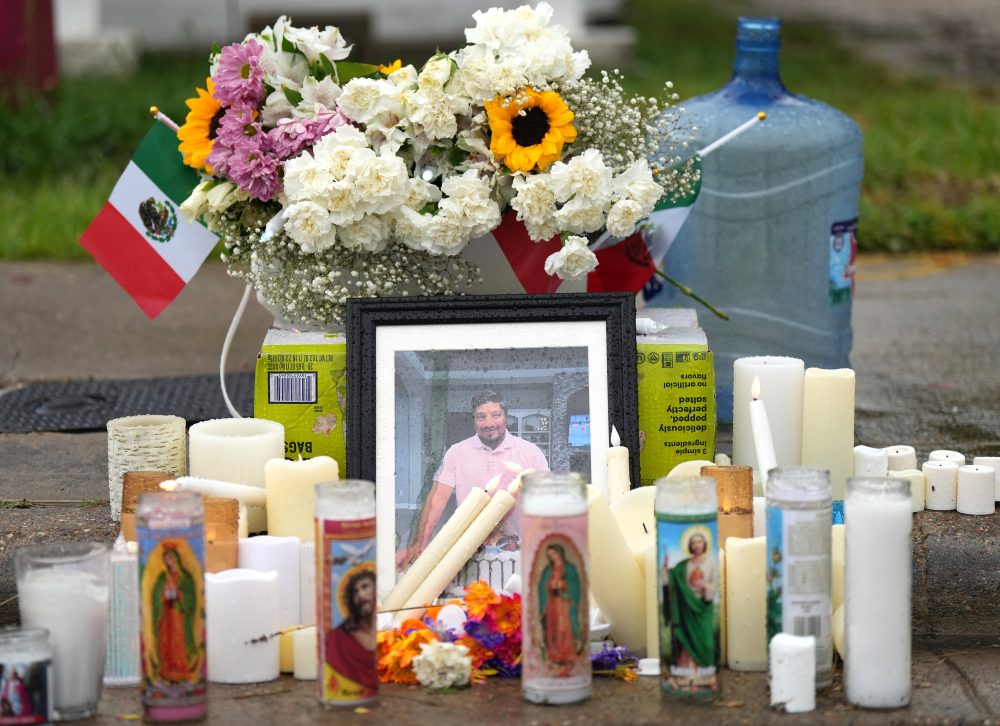

Medical officials in Denver have concluded that a 41-year-old man who died after being hit by an aircraft at Denver International Airport last Friday had intentionally ended his own life by breaching security and entering the runway area.
Denver’s chief medical examiner Sterling McLaren announced Tuesday that investigators ruled the death a suicide following their examination, though she noted no suicide note was found and declined to share additional details about their findings.
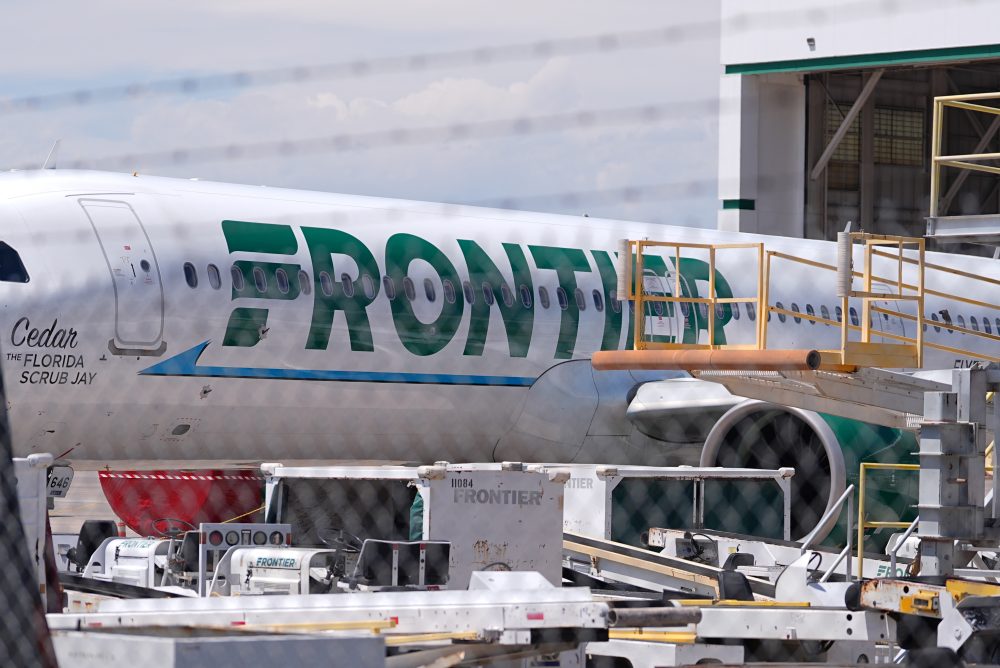
The tragic incident occurred when the individual climbed over perimeter fencing at the remote location and walked directly into the path of a departing Frontier Airlines flight bound for Los Angeles around 11:19 p.m. Friday.
Airport surveillance footage captured the events from a distance, showing a small figure approaching the runway with swinging arms before crossing into the aircraft’s path. The video shows the person being struck by the plane’s right engine, which immediately erupted in flames.
The engine fire prompted pilots to halt their takeoff and emergency crews to evacuate all passengers using inflatable slides. Airport officials reported that twelve individuals sustained minor injuries during the evacuation, with five requiring hospital treatment.
Passengers later described concerning moments during the evacuation, including being trapped inside the aircraft for several minutes as smoke entered the cabin, then being left outside in freezing temperatures after exiting. Some travelers were seen carrying personal belongings down the emergency slides.
Security expert Jeff Price, who previously served as assistant security director at Denver International Airport during the 1990s, explained that unauthorized entries onto airport property occur regularly across the nation, potentially dozens of times each year.
“The vast majority of airport trespassers are intoxicated or simply ‘messing around just to see if they could do it,’” Price noted, adding that most incidents don’t create genuine security threats. He mentioned that Denver occasionally sees individuals attempting to access the airport to investigate conspiracy theories about alleged UFO operations at the facility.
Price pointed out that breaching airport boundaries isn’t particularly challenging, stating: “It’s really not that difficult to jump an airport perimeter fence. They meet the standards for TSA, but the standards are not that robust.”
The security barriers typically stand 6 to 8 feet high with barbed wire crowning the top, and while federal inspectors must approve their design, no standardized construction requirements exist. Major facilities like Denver International also employ detection systems featuring cameras and motion sensors, with some technology capable of identifying the ground impact when intruders drop over fences.
Denver International Airport spans approximately 36 miles of perimeter fencing that officials say undergoes continuous inspection. The facility sits northeast of downtown Denver, surrounded largely by open fields and agricultural land. The fatal collision occurred on the airport’s easternmost north-south runway, more than 1.25 miles from any terminal buildings.
The Transportation Security Administration maintains regulatory authority over airport security protocols, including perimeter protection standards.
Federal investigators from the National Transportation Safety Board announced Sunday they are collecting information about the passenger evacuation procedures. Agency representatives indicated a formal investigation may proceed if injuries meet their criteria for “serious,” which includes hospitalization exceeding 48 hours, fractured bones, or significant burn injuries.
Frontier Airlines representatives have declined to respond to questions about the incident and evacuation, directing inquiries to airport authorities instead.
If you or someone you know is struggling with thoughts of suicide, help is available by calling or texting 988 for the national suicide and crisis lifeline, or through online chat at 988lifeline.org.