
COPENHAGEN – Denmark’s attempts to establish a new government have reached an impasse four weeks following the nation’s parliamentary elections, hampering decision-making capabilities during ongoing diplomatic tensions with President Donald Trump’s administration regarding Greenland.
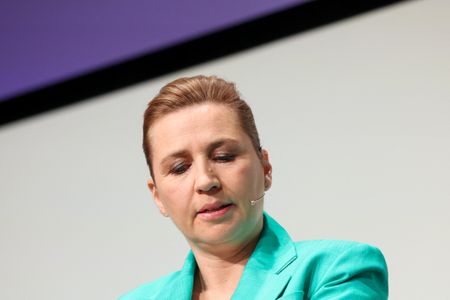
Acting Prime Minister Mette Frederiksen, who holds the royal mandate to form a coalition, has been conducting negotiations with all 12 parliamentary parties but has managed to secure backing only from progressive factions – insufficient to achieve a governing majority.
Frederiksen’s moderate coalition was defeated in the March 24 elections as citizens expressed frustration over rising living costs, though her Social Democratic Party continues to hold the largest bloc in parliament with 38 of 179 seats.
“There is no end date to the negotiations (on a new government), this must take the time that it takes,” Frederiksen stated to media on Thursday evening while attending an EU summit in Cyprus.
The centrist Moderates Party and right-wing Liberal Party, both former partners in Frederiksen’s previous coalition, have refused to support arrangements that would depend on far-left parties for majority control.
Although Frederiksen’s administration continues operating until a new cabinet is established, its authority to make significant decisions remains restricted during a period when Denmark must also navigate Trump’s demands regarding Greenland, which belongs to the Danish kingdom.
Denmark, Greenland and the United States initiated diplomatic discussions to address the dispute in January, but tensions escalated again this month when Trump described the territory he desires as a “BIG, POORLY RUN, PIECE OF ICE” on social media, prompting criticism from Greenland’s prime minister.
Regarding coalition building efforts, Moderates Party leader Lars Lokke Rasmussen informed TV2 on Thursday that an agreement remained “far away,” while Conservative Party leader Mona Juul suggested Frederiksen should step aside from leading the negotiations.
“With the results we have seen from the current royal investigator, I believe that the baton should be passed on,” Juul told TV2 on Friday, referencing Frederiksen’s official responsibility for guiding the discussions.
Although most negotiations occur privately, Frederiksen will likely need to abandon her campaign promise to impose a wealth tax on Denmark’s wealthiest residents.
“There’s not a majority for the economic policy that (Frederiksen) wanted,” explained Andreas Thyrring, a partner at Ulveman & Borsting, a public affairs consulting company.
According to Thyrring, the prime minister must either surrender major elements of her platform or transfer the government formation role to Rasmussen or Liberal Party leader Troels Lund Poulsen.