
SALT LAKE CITY — Defense attorneys for Tyler Robinson, the man charged with murdering conservative activist Charlie Kirk, will present arguments Tuesday requesting that sections of an upcoming crucial hearing be closed to the public and certain evidence be kept sealed, after a judge denied their motion to exclude news cameras from the courtroom.
Robinson’s legal team contends that televised coverage generates excessive media attention that frequently portrays their client unfairly and might prejudice prospective jurors. The attorneys want to keep certain segments of his preliminary hearing private, which is set for July 6-10, during which prosecutors must demonstrate sufficient evidence exists against Robinson to move forward with a trial.
The scheduled July proceedings will represent the most substantial disclosure of case details so far in a matter that has centered primarily on public access issues during its initial eight months.
If Robinson, age 23, is found guilty, prosecutors plan to pursue capital punishment. He faces charges including aggravated murder for the Sept. 10 shooting death of the conservative activist at the Utah Valley University campus. Robinson has not yet submitted a plea.
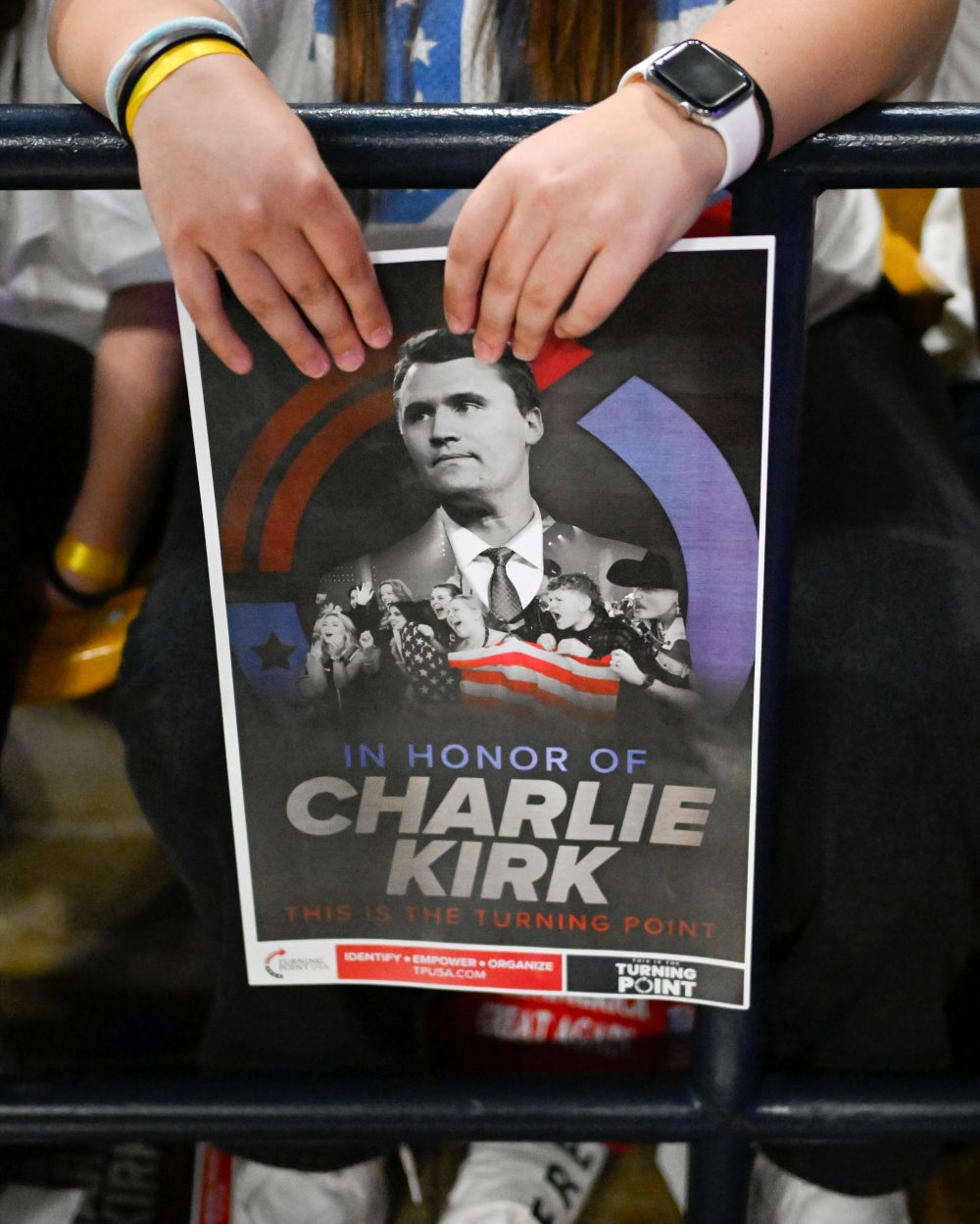
Before his death, Kirk and the conservative youth organization he established, Turning Point USA, became a significant influence in American politics and was viewed as crucial in helping President Donald Trump win a second term.
While public interest has intensified, state District Judge Tony Graf has implemented measures to safeguard Robinson’s courtroom rights, though he refused earlier this month to exclude cameras.
Throughout the preliminary hearing, prosecutors indicate they will present forensic analysis, surveillance footage, recorded witness interviews, autopsy results and purported messages from Robinson confessing to the crime.
Defense lawyers have requested the judge seal numerous exhibits to “prevent infecting the potential jury pool,” based on a court filing submitted Monday.
Prosecutors maintain the preliminary hearing should stay open, but they concur that media should be prevented from viewing or reproducing certain exhibits that might be utilized in a subsequent trial.
Prosecutors have revealed that Robinson left a message for his romantic partner concealed beneath a keyboard stating, “I had the opportunity to take out Charlie Kirk and I’m going to take it.” They have also indicated he wrote in a text message regarding Kirk: “I had enough of his hatred. Some hate can’t be negotiated out.”
Officials have stated that DNA matching Robinson’s was discovered on the rifle trigger used to kill Kirk, the discharged shell casing, two unused cartridges and a towel used to cover the weapon.
Deputy Utah County Attorney Chad Grunander noted in court papers that some evidence they intend to present in July constitutes “reliable hearsay,” or out-of-court statements deemed highly credible. Such testimony is generally permitted in preliminary hearings but excluded at trial, where evidentiary standards are more stringent.
Robinson’s lawyers are concerned the statements will circulate broadly following the preliminary hearing, damage their client and then be inadmissible at trial.
Prosecutors dispute this concern, stating in a court document, “There is nothing to suggest that the substance of the evidence is inadmissible.”