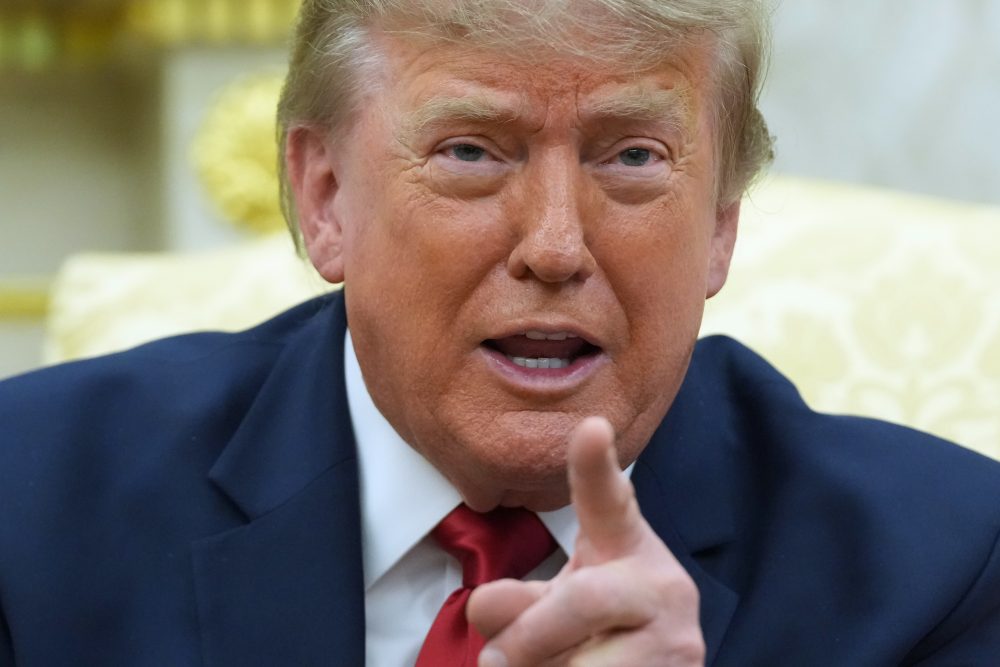

HAVANA (AP) — Cuban officials announced Thursday they will free 2,010 inmates from the nation’s prisons, describing the mass release as occurring during a period when the Trump administration maintains intense economic pressure on the Caribbean island through a restrictive oil embargo.
Officials characterized the pardons as a “humanitarian gesture” connected to Holy Week observances, making no reference to escalating tensions with the United States.
According to the government, those receiving pardons include both Cuban nationals and foreign prisoners, encompassing women, elderly inmates, and younger individuals. Officials did not specify the timing of the releases, the conditions attached, or detail the offenses for which these individuals were originally convicted.
The government provided no information about whether any pardoned individuals were demonstrators who had been convicted and sentenced on charges of terrorism, contempt, or public disorder.
While Cuba’s leadership maintains it does not detain political prisoners, the advocacy organization Prisoners Defended documented 1,214 individuals incarcerated for political activities in Cuba as of February.
Cuban officials stated the decision “was based on a careful analysis of the characteristics of the crimes committed by those sanctioned, their good behavior in prison, having served a significant portion of their sentence, and their health status,” according to a statement published in state media.
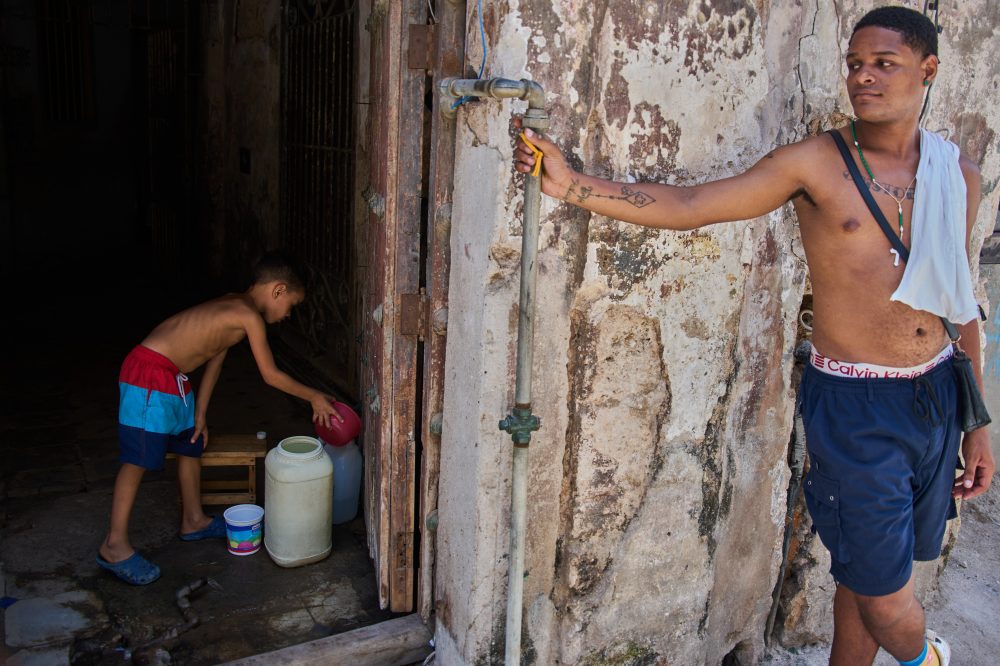
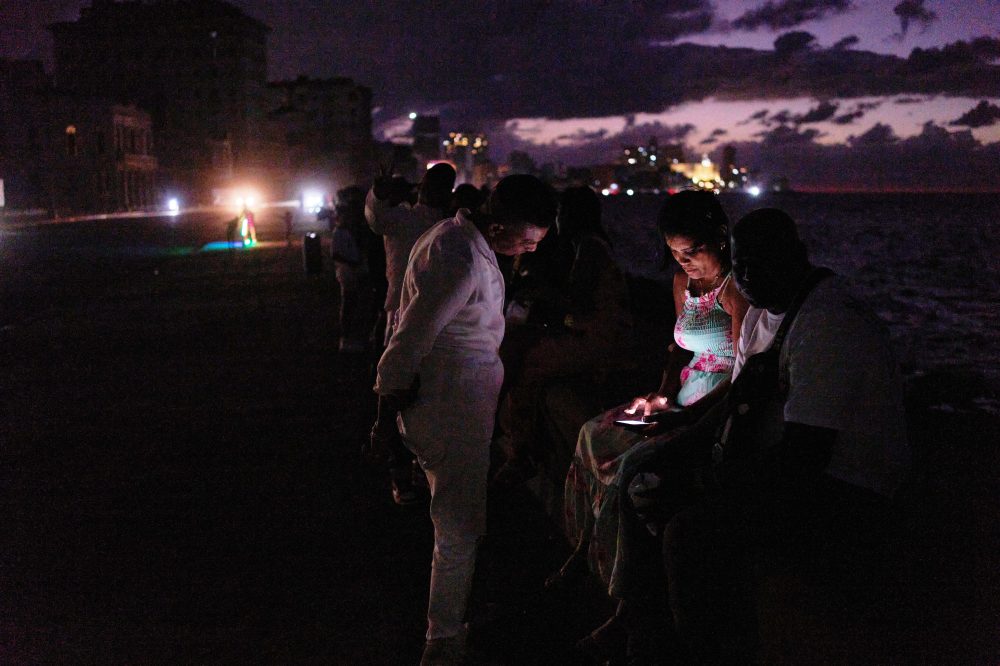
The prisoner release occurs during a time when the Trump administration has intensified economic pressure on Cuba’s leadership, implementing an oil embargo for several months that has triggered power outages and caused hardship for ordinary citizens.
Cuba has a history of freeing inmates during significant periods.
In January of the previous year, Cuban authorities released 553 prisoners during discussions with the Vatican, occurring one day after the Biden administration declared its intention to remove the U.S. classification of the island as a state sponsor of terrorism.
The previous month, Cuba freed 51 individuals from the nation’s correctional facilities in an unplanned action that officials attributed to goodwill and strong Vatican relationships.
Thursday’s announcement represents the fifth prisoner release since 2011, with the government stating it has freed over 11,000 individuals during this period.
The declaration follows by months the U.S. removal of former Venezuelan President Nicolas Maduro and pressure on that country’s leadership to implement significant reforms, including freeing politically detained prisoners and enacting amnesty legislation.