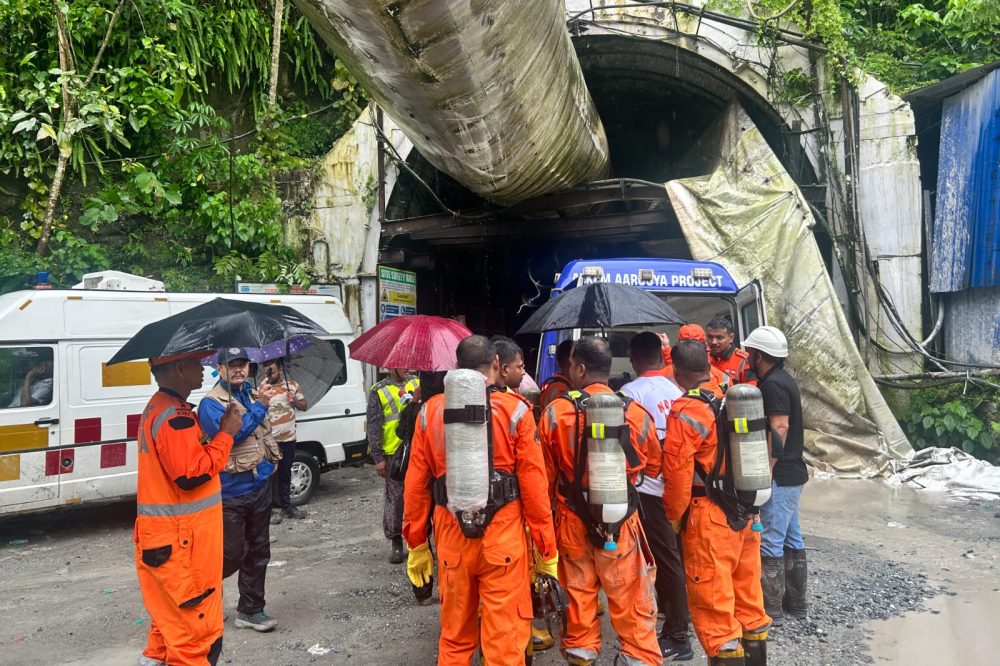

The Democratic Republic of Congo has prohibited public gatherings across four provinces, including the capital city of Kinshasa, as the government works to contain a deadly Ebola outbreak that has claimed hundreds of lives.
The order was issued on June 27 by the country’s interior minister and applies to Kinshasa, Tshopo, Haut-Uele, and Bas-Uele provinces. Notably, none of those four provinces have recorded any Ebola cases so far. Officials cited the regions’ proximity to already-affected areas as a significant risk for transmission. Authorities in the affected provinces are also required to monitor individuals showing symptoms and submit daily surveillance reports.
The outbreak was officially declared on May 15 and has since infected 1,274 people and killed 360 across three eastern provinces — Ituri, North Kivu, and South Kivu — according to government figures released Monday.
However, the timing of the ban has raised red flags among opposition leaders. The restriction arrives just days before a scheduled protest in Kinshasa set for July 8, where demonstrators planned to rally against proposed constitutional changes that critics say could allow President Felix Tshisekedi to pursue a third term in office.
Prince Epenge, a spokesperson for the opposition Lamuka coalition, condemned the gathering ban as “politically motivated” and made clear to Reuters that the July 8 demonstration would move forward regardless of the government’s order.
The political tension is not new. A previous protest on June 12 was forcibly dispersed by police using tear gas and live ammunition, resulting in the death of one demonstrator and injuries to 38 others, according to the UN Human Rights Office.