
BOGOTÁ, Colombia — Citizens across Colombia headed to polling stations Sunday for the opening round of the nation’s presidential race, selecting from candidates offering sharply contrasting approaches to achieving peace in a country scarred by generations of violent conflict.
The election serves as a judgment on the policies of departing President Gustavo Petro, taking place a decade after the country reached a landmark peace agreement with fighters from the Revolutionary Armed Forces of Colombia, known as FARC.
The accord had raised expectations of ending the nation’s destructive pattern of warfare between insurgent organizations and government forces, but bloodshed has surged again recently, escalating during the campaign period. Criminal organizations have stepped up drone attacks, violent incidents have disrupted the electoral process, and in June, Miguel Uribe Turbay, a 39-year-old politician seeking the presidency, was killed by gunfire during a campaign event.
In a nation where pursuing peace has traditionally shaped political discourse, strategies for managing the ongoing conflict are again creating deep divisions among voters.
Although 14 names appear on the ballot, the contest has essentially narrowed to three major contenders.
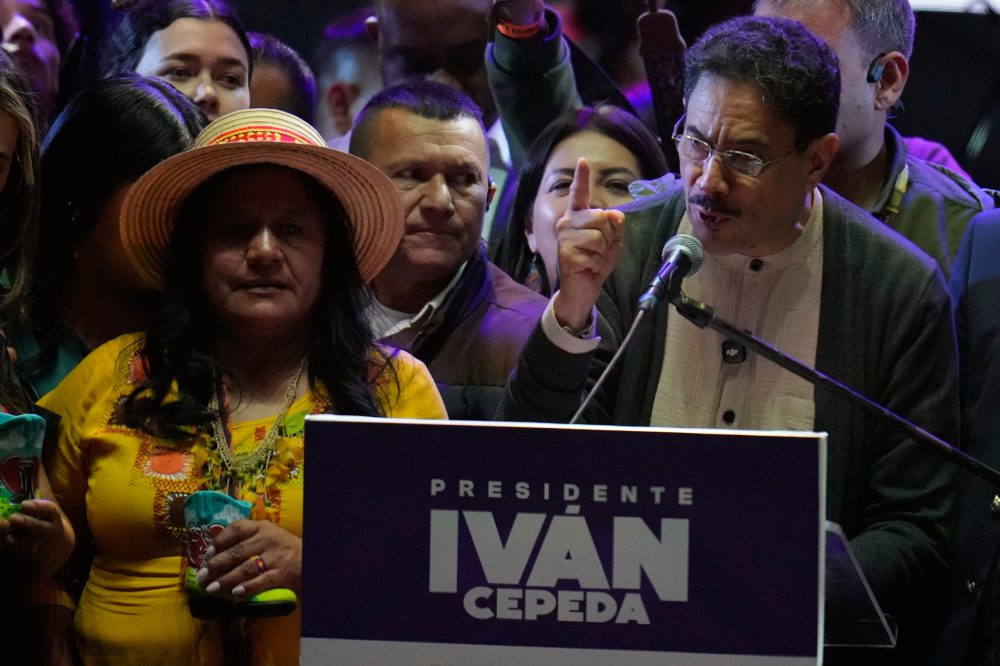
Senator and peace advocate Ivan Cepeda — an ally of Petro — has maintained a polling advantage and pledges to continue Petro’s “total peace” strategy of engaging in talks with surviving insurgent factions and establishing peace deals to address the ongoing crisis.
Despite the peace strategy’s limited success as criminal elements have exploited government ceasefires, Cepeda and Petro retain significant backing from supporters who appreciate progressive measures implemented during Petro’s administration, including increases to the minimum wage.
Challenging Cepeda are Abelardo de la Espriella and Paloma Valencia, both promising more aggressive military action against armed organizations.
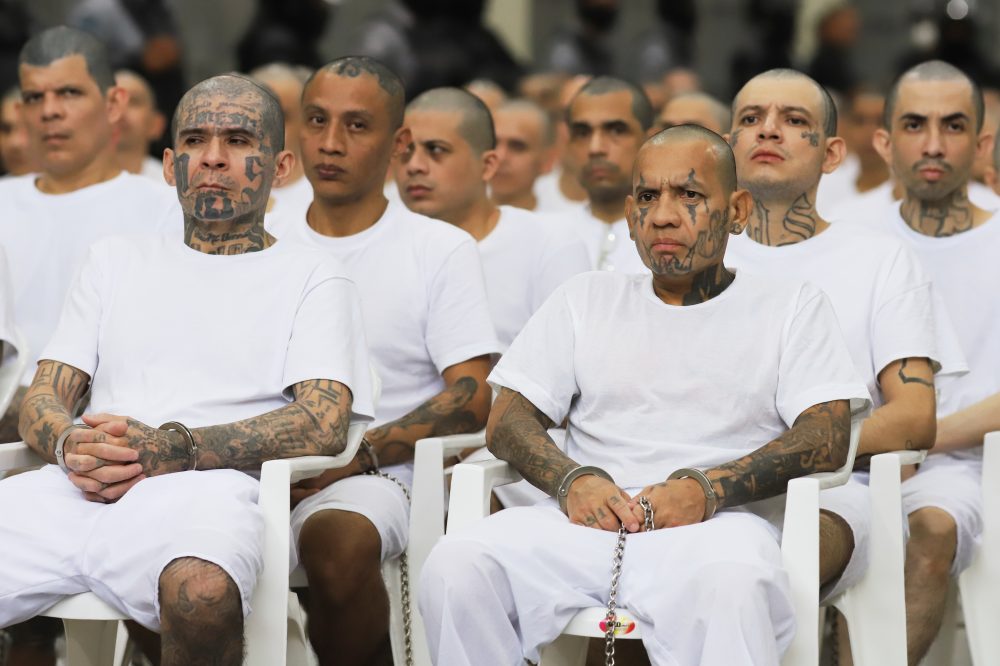
De la Espriella — a flamboyant attorney nicknamed “The Tiger” — has gained momentum with voters recently by presenting himself as a political outsider eager to adopt the forceful anti-gang strategies employed in El Salvador, which dramatically decreased gang activity while drawing criticism over human rights violations.
Valencia is viewed as the political successor to Colombia’s former president and authoritarian leader Álvaro Uribe, who led the country from 2002 to 2010 with substantial backing from the United States and whose administration launched a counteroffensive against FARC insurgents that resulted in significant civilian casualties.
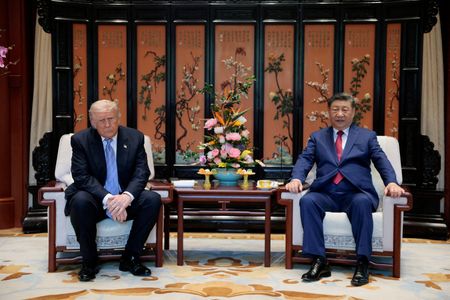
Both de la Espriella and Valencia have emphasized their support for U.S. President Donald Trump, despite his increasingly confrontational approach toward Latin America compared to previous U.S. leaders and his demands that countries including Colombia, Ecuador and Mexico intensify their campaigns against criminal organizations.
Should no candidate secure at least 50% of votes — an extremely uncommon occurrence in Colombia — the leading two vote recipients will compete in a runoff election in June.
Maria Eugenia, a 57-year-old seamstress who was working on a pair of jeans Friday in central Bogotá, Colombia’s capital, expressed support for an aggressive campaign against the growing number of criminal organizations, despite potential human consequences.
Though she appreciated Petro’s efforts to strengthen the nation’s healthcare system, she indicated plans to vote for de la Espriella due to escalating violence in the country’s rural regions.
“Of course, whenever you come down with a heavy hand, there’s always going to be debate,” she said. “But some people are going to have to fall to clean up what needs to be cleaned.”
Others, including 26-year-old Cristian Morales, who walked past her business, disagreed with that approach.
Though Petro’s peace initiative has fallen short in numerous areas, he explained, modifying a strategy designed to end the country’s cycles of violence was preferable to adopting another extreme position.
He indicated his intention to support Cepeda, prioritizing the candidate’s commitment to preserving Colombia’s natural environment and expanding educational opportunities over dramatic promises to eliminate the nation’s deeply rooted conflict. Morales described such a goal as something he considers “impossible” to accomplish within a single four-year presidential administration.
“The solution to this conflict isn’t aggressive confrontations. It will only end in more bloodshed,” he said. “It’s so difficult because it’s either dialogue or arms, and an internal conflict isn’t good for anyone.”