
BOGOTA, Colombia — A Colombian senator who came up short in last month’s presidential race is now threatening to refuse recognition of the election’s winner unless several conditions are met — chief among them, that the president-elect give up his American citizenship.
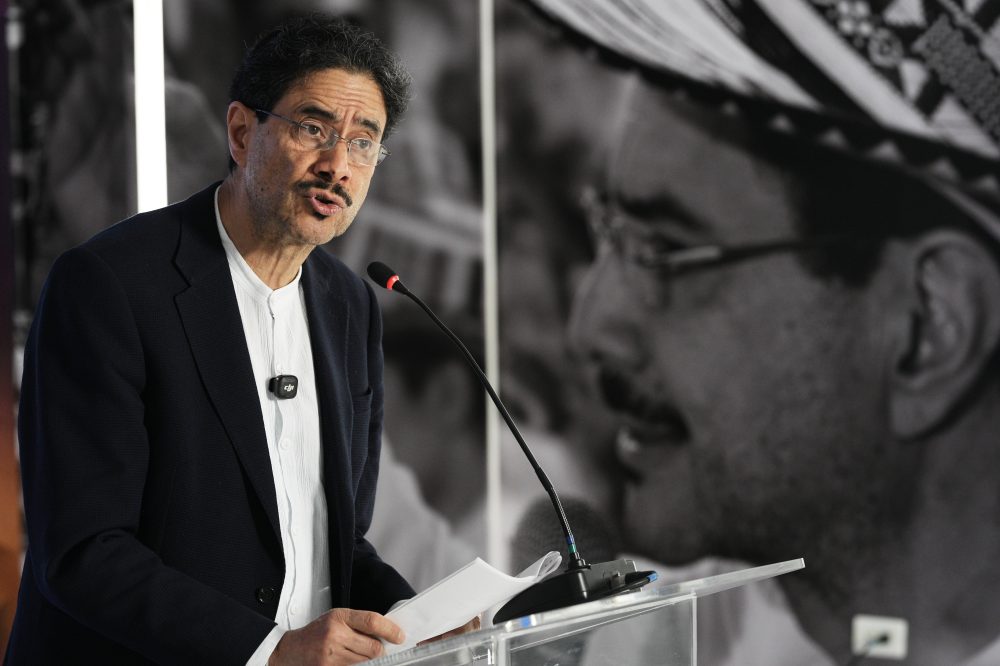
Progressive senator Iván Cepeda issued a statement Tuesday demanding that Abelardo de la Espriella, who won Colombia’s presidential runoff in June, relinquish his U.S. citizenship before taking office. Cepeda argued that holding citizenship in another country while serving as Colombia’s head of state could create serious conflicts of interest.
Cepeda also called on de la Espriella to publicly clarify whether he acts as an “agent” of the United States. The concern stems from de la Espriella’s background as a criminal defense attorney, during which he represented a former paramilitary leader who served as an informant for the U.S. Drug Enforcement Administration.
Additionally, Cepeda demanded that de la Espriella abandon any plans to extradite outgoing President Gustavo Petro to the United States. Federal prosecutors in Brooklyn have stated they are looking into Petro for possible connections to drug traffickers.
“If these conditions of legality are not met, as the leader of the opposition, I will embark on the path of peaceful civil disobedience that implies not recognizing the authority of someone who will not defend our national sovereignty,” Cepeda stated.
De la Espriella, a conservative attorney who campaigned on a law-and-order message and received an endorsement from U.S. President Donald Trump, defeated Cepeda in the June 21 runoff by roughly 250,000 votes. The final tally showed de la Espriella with 49.6% of the vote compared to Cepeda’s 48.7%.
Cepeda had formally acknowledged those results three days after the vote, following validation by Colombian authorities of an election-night quick count.
De la Espriella has not publicly responded to Cepeda’s accusations or the demand that he renounce his U.S. citizenship.
The 47-year-old lawyer was born in Bogota and is scheduled to be sworn in as Colombia’s president on August 7. He acquired U.S. citizenship as an adult after spending several years living in Florida, where he operated a law firm whose clients included former paramilitary figures accused of human rights violations and businesspeople facing money laundering charges.
While Cepeda’s refusal to recognize de la Espriella carries no legal consequences — the National Electoral Council has already certified de la Espriella as the winner — political observers say the stance could still have real-world effects.
Manuel Camilo González, a political science professor at Bogota’s Javeriana University, noted that Cepeda’s position could ignite demonstrations in the streets or be used to justify efforts to obstruct de la Espriella’s legislative agenda in Congress.
Cepeda’s party, the Historical Pact, holds more Senate seats than any other party in Colombia, though it does not have enough on its own to block legislation from passing.