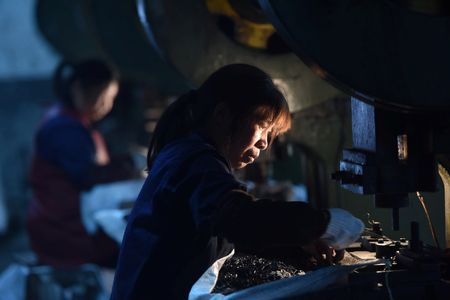

Economic analysts predict China’s manufacturing sector likely stagnated during May after experiencing growth for the previous two months, with weakening consumer demand domestically and rising costs from the U.S.-Israeli war on Iran potentially impacting factory production.
Economists surveyed by Reuters anticipate the official manufacturing purchasing managers’ index will decline to 50 from April’s reading of 50.3, reaching the critical mark that divides expansion from decline. The median prediction from 14 economic experts suggests this downturn.
The National Bureau of Statistics plans to publish the PMI data on Sunday, which should provide insight into how continued supply chain interruptions and price increases from the ongoing Middle East crisis affected Chinese manufacturers, particularly with the Strait of Hormuz oil transportation route staying mostly blocked.
Data released earlier in May showed conflicting signals about China’s economic performance in April, with overseas shipments jumping significantly while domestic retail activity and factory output growth weakened. Manufacturing costs climbed as producer prices increased sharply, though industrial company earnings posted their strongest gains since November 2023.
The economy faces challenges from continued sluggish domestic consumption and excess manufacturing capacity, leaving it vulnerable to external threats like fluctuating energy costs and protective trade policies from international partners. However, worldwide demand for artificial intelligence technology has boosted orders for Chinese-manufactured electronics, supporting growth in high-tech manufacturing and maintaining strong export performance.
While U.S. President Donald Trump’s May visit to Beijing produced limited major agreements, both governments committed after the meeting to pursue mutual tariff reductions on goods worth $30 billion or more. China’s Commerce Ministry expressed hopes that the U.S. would “honour its commitment” to keep tariff rates on Chinese products at or below levels established in last year’s trade agreement.
Strong export performance and China’s energy stockpiles have so far protected the economy from war-related impacts and lessened pressure for significant economic stimulus programs, particularly after officials established more modest growth objectives for this year.
However, if cost burdens continue increasing, government leaders may need to strengthen domestic consumer spending, stabilize employment conditions, and provide additional support for the troubled housing market to protect against international economic uncertainties.