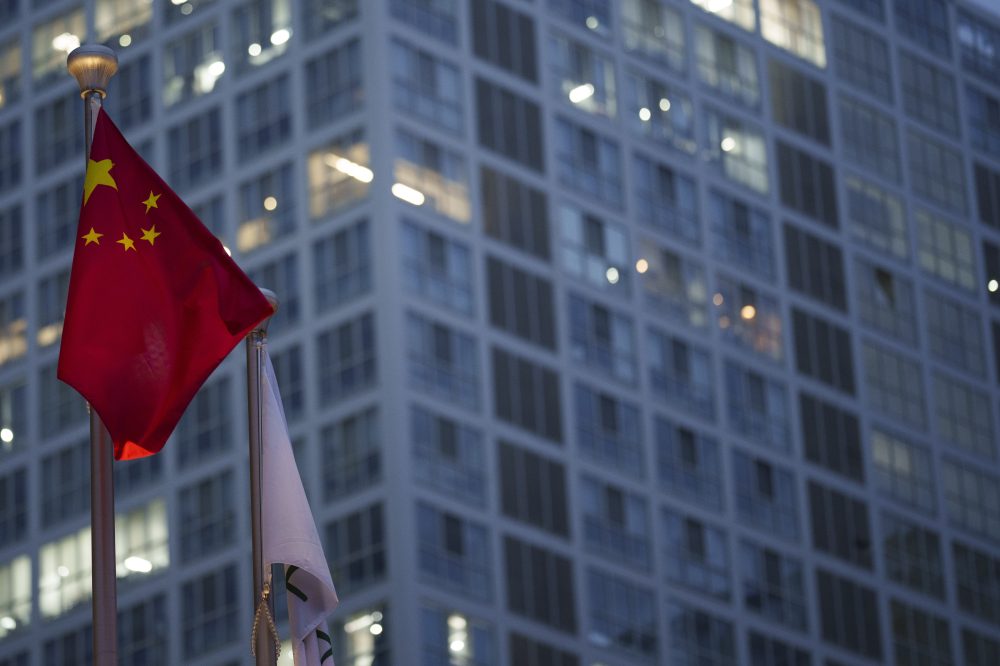

Chinese officials announced Saturday that the nation’s overseas sales jumped 14.1% in April compared to the same month last year, surpassing expectations despite ongoing conflicts in Iran and continuing effects from elevated U.S. trade tariffs.
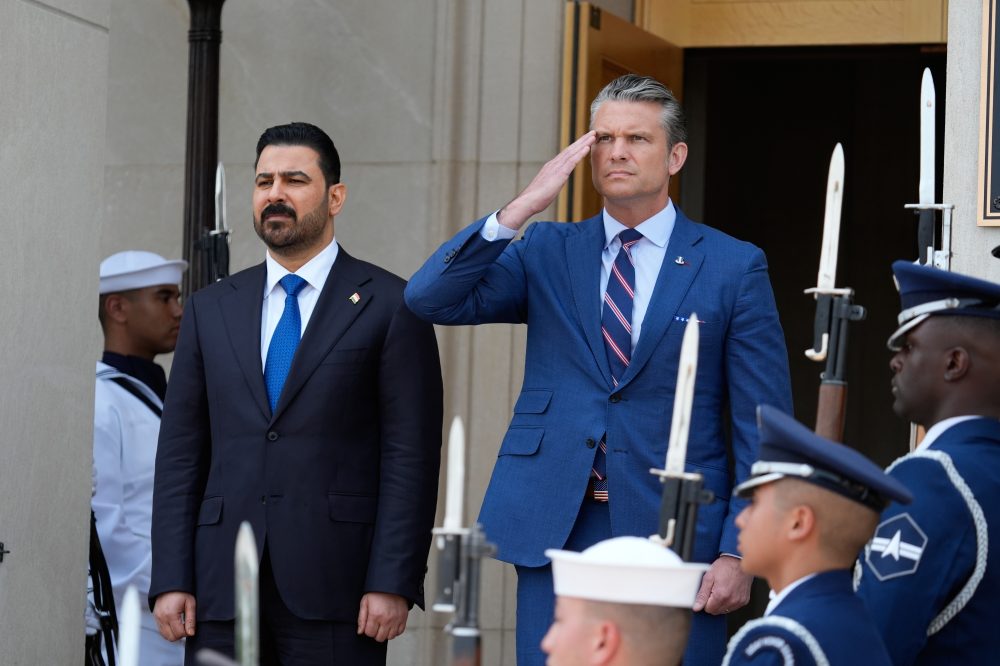
The trade figures were published just days before a scheduled summit next week in Beijing between President Donald Trump and Chinese President Xi Jinping.
The April performance significantly exceeded economic forecasts and marked a substantial improvement over March’s modest 2.5% annual increase.
Meanwhile, Chinese purchases from other countries grew 25.3%, which represented a slight slowdown from March’s 27.8% rise but remained strong overall.
The upcoming Trump-Xi meeting occurs as the two nations face numerous challenges in their relationship, with diplomatic efforts to resolve the Iranian conflict taking precedence over traditional trade disputes.
“We’re expecting that overall external demand will remain a solid driver of growth this year,” said Lynn Song, chief economist for Greater China at Dutch bank ING, likely led by China’s exports of semiconductors and autos.
Earlier this year, Chinese officials established an economic growth goal of 4.5% to 5% annually, marking a decrease from the previous year’s 5% target and representing the most modest objective since 1991. International sales are anticipated to continue supporting the broader economy, particularly as shipments to European, Southeast Asian, Latin American and African markets have increased in recent months.
Beyond discussions about ending the Iranian conflict, the Trump-Xi talks will likely address trade policies and export restrictions, including rare earth materials and American technology limitations affecting China. These conversations follow a year-long trade agreement between the nations that was established when the leaders previously met in South Korea.
While major policy changes regarding export controls seem unlikely, the forthcoming meeting may produce gradual improvements to address trade tensions, according to HSBC economists in a recent analysis.
“On balance, China looks to have more leverage,” wrote Leah Fahy, senior China economist of Capital Economics, in a note. “But higher tariffs haven’t stopped China’s exports from continuing to surge over the past year, and Beijing has showed that it is prepared to wait out U.S. pressure.”
For Chinese manufacturers, rising oil and fuel costs due to the Iranian conflict are increasing production and transportation expenses across the country’s industrial facilities, according to Wei Li, head of multi-asset investments at BNP Paribas Securities (China). Additionally, global inflation pressures could reduce consumer spending power in China’s international markets.
Despite these challenges, China’s economy has demonstrated greater stability than many other nations, benefiting from substantial oil reserves and a more varied energy portfolio.