
China’s top automakers are making a bold push into Canada — not necessarily because of the money to be made there, but because experts say it sets the stage for a future entry into the United States.
Just two weeks after Canadian Prime Minister Mark Carney announced in January that he would permit a limited number of Chinese electric vehicles into Canada, China’s largest auto exporter, Chery, held its opening meetings with Canadian car dealers.
China’s national champion BYD — now recognized as the world’s largest EV manufacturer — is already moving to open six dealerships in Canada, according to advisory firm DSMA, which is scouting locations on BYD’s behalf. Regulatory records also show BYD has begun the compliance process to bring two passenger vehicles into Canada.
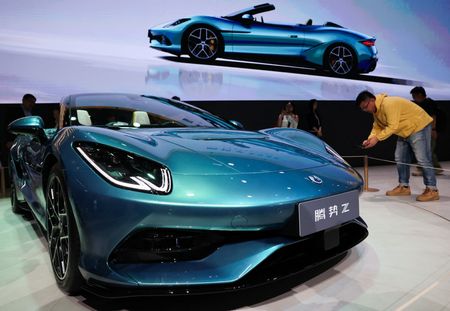
Luxury sports brand Lotus, which is owned by Chinese auto giant Geely, also intends to open about six Canadian dealerships this year, even though it expects to sell only a few hundred cars. Lotus CEO Qingfeng confirmed those plans in an interview. Meanwhile, state-owned automaker Changan has a team actively working on a Canadian launch, according to design chief Klaus Zyciora.
The aggressive expansion into Canada may seem puzzling at first glance. Canada only approved the import of 49,000 Chinese cars annually at a reduced tariff rate of 6.1%, with that ceiling growing to just 70,000 vehicles over five years. With so many automakers competing for a slice of that limited market, the financial returns are slim.
But Canada offers something more strategically valuable: a gateway to the United States. Industry analysts widely view an eventual Chinese automotive presence in the US as unavoidable, even as current American policies effectively keep Chinese cars out.