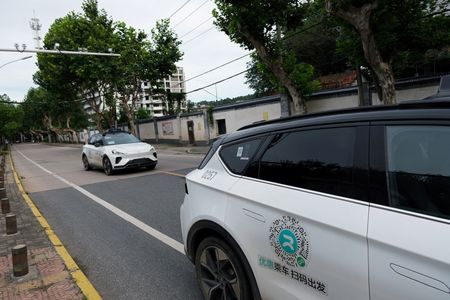

Chinese authorities have temporarily halted the approval process for new autonomous vehicle permits following a technical failure that caused Baidu’s Apollo Go robotaxis to unexpectedly cease operations in Wuhan last month, according to a Wednesday report from Bloomberg News citing sources with knowledge of the situation.
The temporary ban prevents companies developing self-driving technology from expanding their current robotaxi fleets, initiating new testing programs, or beginning operations in additional metropolitan areas, the report indicated.
Local officials have also put a hold on Baidu’s robotaxi services in Wuhan while they conduct their investigation into what caused the system malfunction, Bloomberg reported.
Reuters was unable to independently confirm the Bloomberg report at the time of publication.
Government agencies including the industry ministry, transport ministry, and public security ministry did not provide immediate responses to written requests for comment. Baidu also failed to respond to inquiries about the situation.
Two competing robotaxi companies emphasized their commitment to safety protocols while confirming their services continue operating without interruption.
“Pony.ai’s robotaxi services in Beijing, Shanghai, Guangzhou and Shenzhen are currently operating normally,” the company stated.
“Our preparation work in Changsha and Hangzhou is also progressing as planned,” Pony.ai added.
WeRide reported that its “robotaxi services in China are still operating as normal” across coverage areas spanning more than 1,000 square kilometers (386 square miles).
“We support the authorities’ efforts to ensure the highest safety standards across the industry,” WeRide said in its statement.
Earlier this month, Chinese government officials directed regional authorities to perform internal safety reviews and enhance monitoring protocols for road testing of intelligent connected vehicles.