
SACRAMENTO, Calif. — California’s state legislature will cast votes Thursday on legislation to change César Chávez Day to Farmworkers Day, responding to recent sexual abuse accusations against the renowned labor organizer before the March 31 state holiday arrives.
Governor Gavin Newsom, a Democrat, is anticipated to sign the legislation promptly.
This legislative action follows public disclosure last week of accusations that Chávez sexually assaulted girls and women while leading a significant farmworker rights campaign during the 1960s in California’s farming regions. Dolores Huerta, who helped lead the organization that later became the United Farm Workers, was among those making accusations against him.
California’s holiday renaming initiative represents part of broader efforts to modify tributes to the activist who championed improved pay and workplace conditions for agricultural workers in the 1960s and earned widespread admiration from Democratic politicians. The rapid and comprehensive push to remove Chávez’s name from public recognition would have seemed impossible previously, given his increasingly legendary reputation following his 1993 death.
Nearly three decades ago, California became the initial state to establish Chávez’s March 31 birthday as a holiday recognizing the civil rights advocate. State legislators subsequently approved 2000 legislation making it an official paid holiday for government workers and mandating educational curriculum about his contributions and influence on California’s labor movement.
The California legislation gained bipartisan Assembly approval Monday and now awaits Senate consideration.
“We cannot ignore wrongdoing and we should not continue to celebrate a single person when the movement itself is so much bigger,” Assemblymember Cecilia Aguiar-Curry said before the vote Monday.
Republican Assemblymember Alexandra Macedo said the change is about honoring workers and their families.
“This isn’t just about a date on a calendar or a name on a building,” Macedo said. “It is about the hands that feed this nation. It is about the men and women who are in the orchards, in the fields, before the sun even touches the horizon, and who are still there long after it sets.”
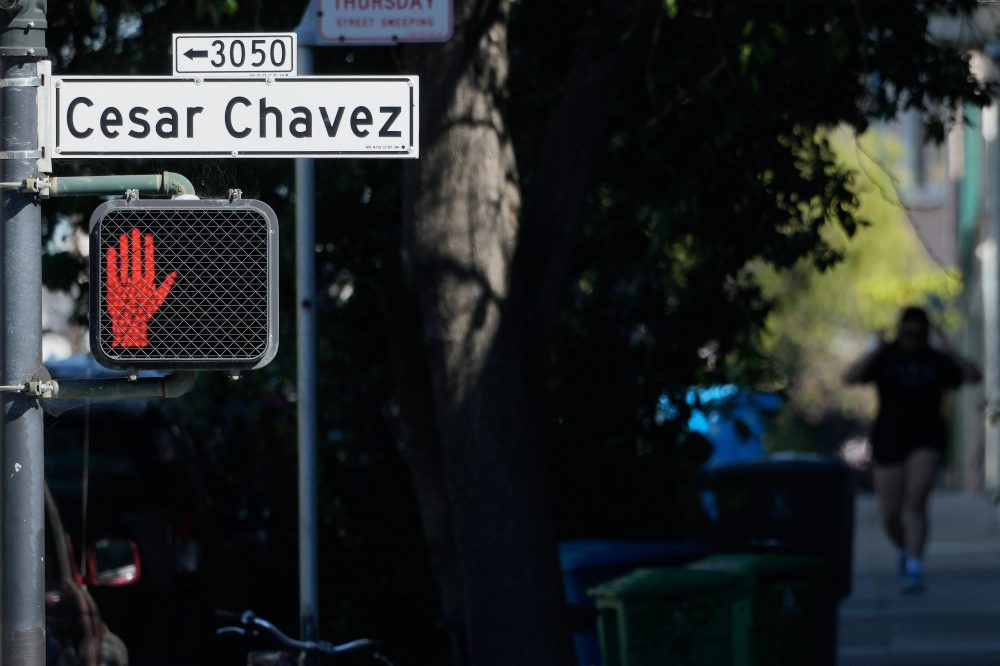
Following the public emergence of these accusations, California State University, Fresno has concealed Chávez’s campus statue, while municipalities including San Francisco, Los Angeles and Sacramento have initiated efforts to remove his name from public monuments. Some have proposed replacing Chávez’s name with Huerta’s, and multiple states have announced they will discontinue observing the holiday.