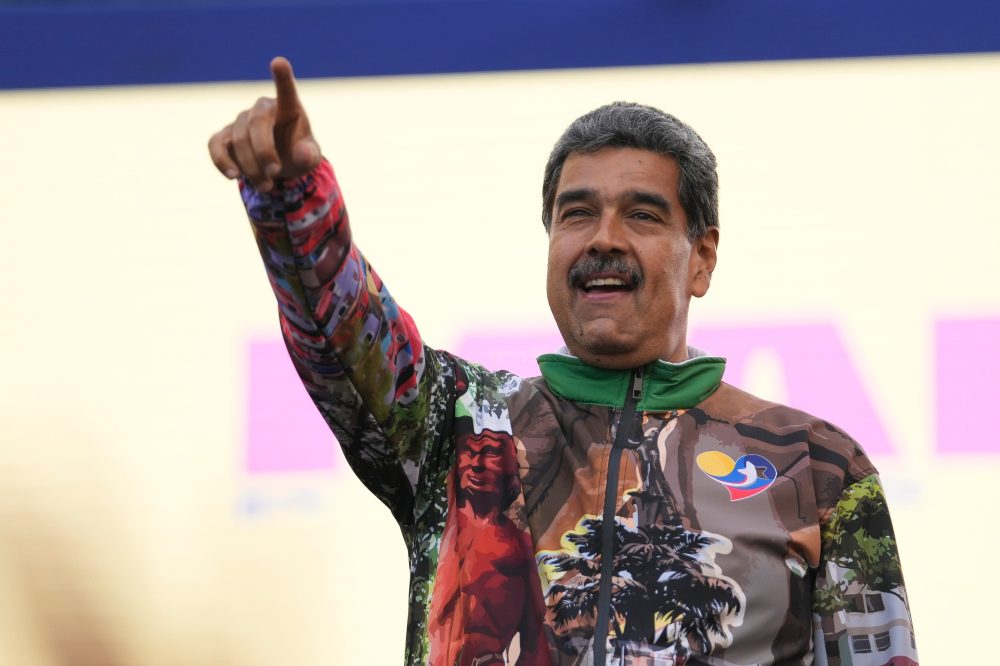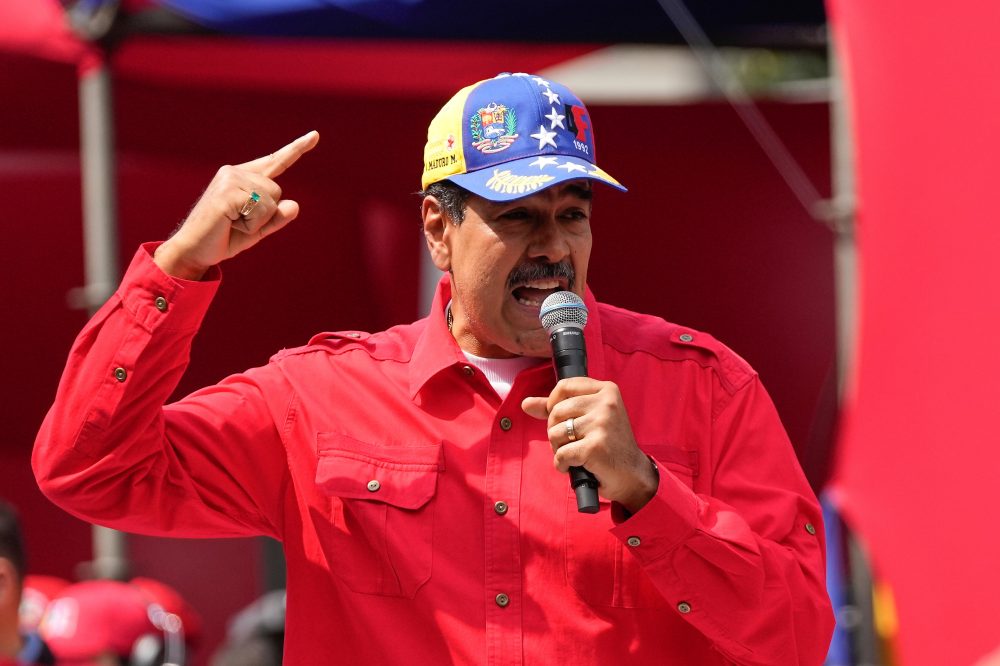

NEW YORK — Deposed Venezuelan President Nicolás Maduro appeared in a New York federal court Thursday, attempting to dismiss his drug trafficking charges based on disputes over who will pay his attorney fees.
Maduro’s defense attorney argues that the United States is infringing on the former leader’s constitutional protections by preventing Venezuelan government money from covering his legal expenses.
This marks the first court appearance for Maduro and his spouse, Cilia Flores, since their January arraignment where he challenged their seizure by American military personnel and stated: “I am not guilty. I am a decent man, the constitutional president of my country.” Flores has entered a not guilty plea as well.
The couple continues to be held at a Brooklyn detention facility, with neither requesting bail. Judge Alvin Hellerstein has not yet scheduled a trial date, though one may be announced during the hearing.
The 63-year-old Maduro and 69-year-old Flores still maintain backing in Venezuela, where murals and signs throughout Caracas call for their release. However, while Maduro’s political party maintains control, acting president Delcy Rodríguez has gradually removed his influence from the government.
Rodríguez has dismissed key officials including Maduro’s loyal defense secretary and top prosecutor, restructured government departments, named new diplomatic representatives, and dismantled elements of the socialist ideology that has controlled Venezuela for over twenty years.
She has also transformed state broadcasting, which had featured Maduro’s lengthy nightly programs. Rodríguez prefers brief appearances without the musical performances her predecessor frequently enjoyed.
Venezuela has renewed diplomatic ties with the United States, which severed relations with Maduro’s administration in 2019 and backed the opposition-led National Assembly leader as the nation’s rightful president. Washington has relaxed economic penalties on Venezuela’s vital petroleum sector and sent a diplomatic representative to Caracas.
However, these developments may not help Maduro and Flores avoid paying their own legal costs.
According to a court document filed last month, Maduro’s attorney Barry Pollack stated that the Treasury Department’s sanctions office reversed its decision regarding Venezuela funding his legal representation.
The office initially granted approval on January 9, Pollack explained, but withdrew it without justification less than three hours afterward.
In a sworn statement submitted to the court, Maduro maintained that he is “entitled to have the government of Venezuela pay for my legal defense.”
Federal prosecutors countered that the government had permitted Maduro and Flores to use personal assets for legal fees but would not allow payments from a sanctioned government account.
Maduro stated in his filing that he cannot afford his legal representation. To receive a court-appointed attorney funded by taxpayers, he must demonstrate financial inability to pay.
Maduro and Flores were captured January 3 during a nighttime operation at their Caracas residence.
A 25-page criminal indictment alleges he and co-conspirators collaborated with drug trafficking organizations and military personnel to enable the transport of thousands of tons of cocaine into the United States.
The couple faces accusations of ordering abductions, assaults, and murders of individuals who owed drug proceeds or threatened their trafficking network. This included executing a drug kingpin in Caracas, according to the charges. A conviction could result in life imprisonment.
Following Maduro’s removal, daily conditions for most Venezuelans remain unchanged.
Numerous government workers earn approximately $160 monthly, while private sector employees average around $237. The previous year saw inflation reach 475%, based on Venezuela’s central bank data, making food and basic necessities unaffordable for many citizens.