
LONDON — British officials unveiled a series of tax breaks on everyday items and family entertainment as the government works to address escalating household expenses and regain public support.
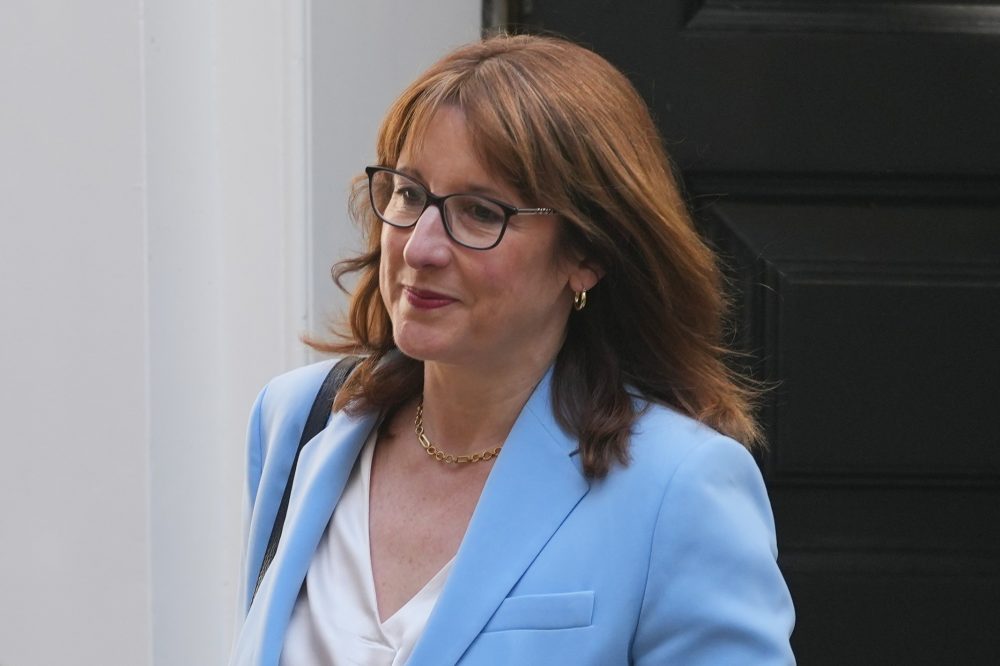
On Thursday, Treasury chief Rachel Reeves revealed modest relief measures aimed at countering increased costs linked to the Iran war, including lower import duties on cookies, chocolate and approximately 100 additional grocery store items.
British inflation dropped to 2.8% in April from March’s 3.3% rate, though economists anticipate another surge driven by climbing fuel, heating gas and electricity costs.
In response to these pressures, officials delayed a scheduled fuel duty hike and granted truckers a one-year exemption from road taxes to help counter skyrocketing gasoline prices caused by the practical shutdown of the Strait of Hormuz, a crucial oil shipping corridor.
However, Reeves stopped short of promising expanded assistance for home heating expenses.
The Treasury chief outlined initiatives aimed at stimulating summer economic activity, including complimentary bus transportation for children during August. Throughout the summer season, admission taxes for attractions such as zoos, theme parks and museums will drop from 20% to 5%.
Reeves explained the cost-of-living relief would be funded through eliminating tax advantages for oil and gas corporations operating internationally.
“This summer I want every family to be able to enjoy themselves,” Reeves said. “As the war in Iran pushes prices up at home, my economic plan is the right one. I will continue to make the right choices, to protect households and businesses, and build a stronger and more secure Britain.”
These policy announcements arrived as Prime Minister Keir Starmer attempts to maintain stability while facing pressure from Labour Party colleagues seeking his removal following poor local election outcomes.
The past two weeks have proven particularly challenging for Starmer, who guided the party to overwhelming victory fewer than two years earlier. Numerous Labour legislators have demanded his resignation, and political observers widely anticipate a leadership contest. Greater Manchester mayor Andy Burnham plans to secure a Parliamentary seat in a June 18 special election before potentially challenging Starmer for the top position.
Starmer maintains he will not step down and intends to defend his leadership role. According to British political procedures, any successor to Starmer as party leader would automatically assume the prime minister position without requiring a nationwide vote.