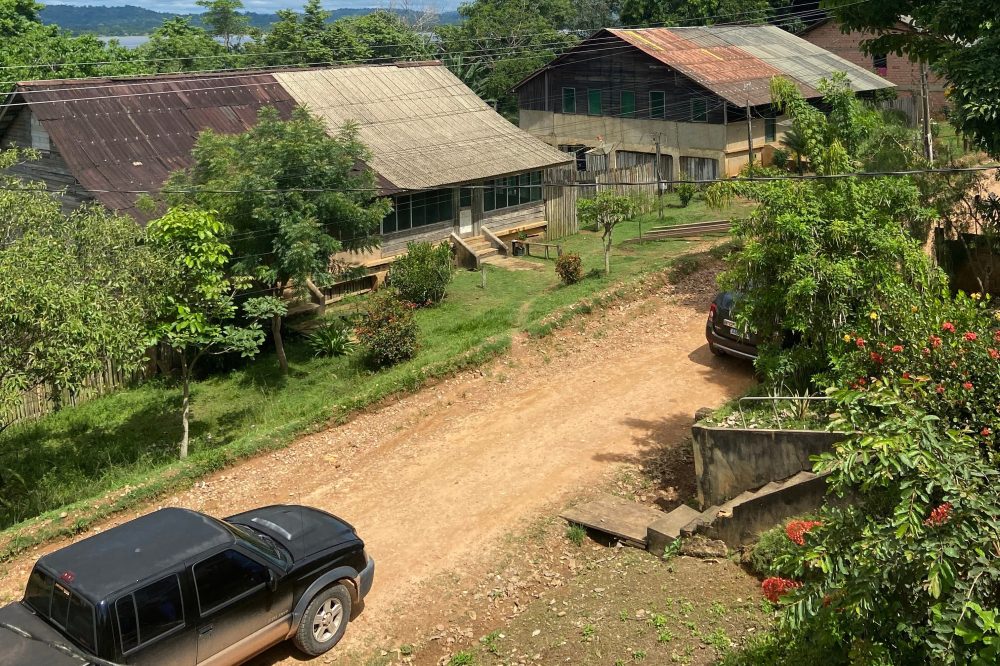

A judicial ruling in Brazil’s northern Pará state has mandated that government authorities at both federal and municipal levels take action to restore and safeguard Fordlandia, an abandoned settlement that U.S. automotive pioneer Henry Ford created in the Amazon rainforest almost 100 years ago.
Legal officials announced Friday that this ruling represents a major achievement for cultural preservation efforts.
The ghost town of Fordlandia, which currently serves as a district within Aveiro city, was constructed in 1927 by Ford Motor Co. in Pará state as an ambitious rubber production center aimed at providing a reliable source of natural rubber for automobile tires.
The settlement was planned to mirror an ideal American suburban community and at its peak became the Amazon’s third-most populous area. But plant diseases destroyed the rubber tree farms, forcing residents to abandon the community. The Brazilian government took control of the property in 1945.
Brazil’s federal prosecution office in Pará filed suit in 2015 against the nation’s Iphan architectural heritage agency and Aveiro city officials for neglecting to maintain Fordlandia. The lawsuit also sought official protected designation for the settlement.
“Fordlandia is a landmark chapter in the history of Brazil and of global industry. The project was an American effort to challenge the British monopoly on rubber, bringing cutting-edge infrastructure—including a hospital, running water, electricity and a movie theater — to the heart of the Amazon in the 1920s,” the prosecutors’ office in Pará said in a statement.
Even though the business operation failed, authorities stressed that the district continues to hold importance in Brazil’s collective heritage and deserves protection for coming generations.
A Pará judge issued orders two weeks ago requiring federal and municipal governments to rehabilitate Fordlandia. This judgment followed more than ten years of court battles.
While the district lacks formal heritage site designation, the court determined it holds historical, cultural, and architectural value that Brazil’s Constitution requires the government to safeguard.
The court order also mandates that government officials create and execute a restoration strategy for the district, with possible monetary sanctions for failure to comply.