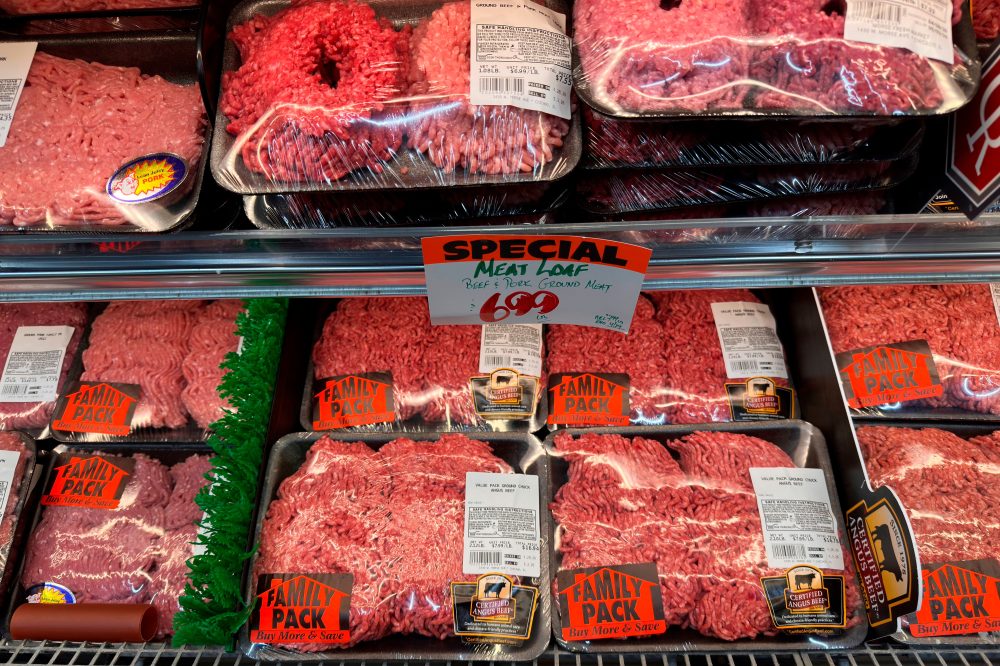

President Donald Trump declared on his Truth Social platform Wednesday that he is “MAKING FOOD AFFORDABLE,” highlighting price decreases for various grocery items including avocados, fresh berries, and pantry essentials. However, the Labor Department had reported just two weeks prior that grocery prices climbed nearly 3% in April compared to the previous year.
While the president’s graphic may accurately reflect the specific products he mentioned, verification proves difficult since he referenced non-public data without specifying the timeframe used.
Individual grocery items regularly fluctuate in price, but the president’s message overlooks the wider situation shoppers encounter: Food costs have generally increased since his inauguration at a rate exceeding pre-pandemic norms. Economic experts anticipate continued price growth in upcoming months as rising diesel fuel costs drive up grocery transportation expenses nationwide.
April’s grocery price increases marked the steepest climb in two and a half years. The 2.9% rise slightly exceeds the 20-year average of 2.6%, though grocery prices averaged only 1.1% annual increases in the decade preceding the pandemic.
These increases follow much more dramatic price surges during 2021-22 under former president Joe Biden. Grocery expenses jumped nearly 28% from February 2020, just before the pandemic, through Trump’s January 2025 inauguration.
The president’s social media message concentrated on nine particular products rather than examining comprehensive grocery expenses. He reported avocado prices dropping 19%, cheese declining 5.6%, fresh berries and butter falling 13%, olive oil decreasing 16%, chicken breasts down 2.4%, and eggs plummeting 90%.
The president’s data came from Circana, a private firm, as published through the U.S. Department of Agriculture. Neither Circana nor USDA had responded to Associated Press inquiries by deadline. The White House similarly did not reply to requests for comment regarding the post.
Many of the president’s numbers align roughly with the government’s consumer price index from the Bureau of Labor Statistics, the primary inflation measurement tool. That data indicates cheese prices fell 3.1% in April year-over-year. Egg prices dropped 39% from the previous year and 60% from their March 2025 peak, falling short of the president’s 90% assertion.
Several items the president mentioned became cheaper due to factors largely unrelated to broader economic patterns. Egg prices declined because chicken populations rebounded after avian flu devastation, partly aided by the Trump administration permitting nearly 1 billion egg imports last year.
Olive oil costs decreased recently as production recovered following a two-year drought period.
According to the consumer price index, chicken breasts cost an average $4.17 per pound in April, up from $3.97 at the president’s inauguration. Nevertheless, chicken breast prices have dropped 0.3% from the previous year. Butter prices have fallen 5.8% over the past year, according to BLS data.
However, the president omitted all items experiencing price increases that keep grocery costs high. Multiple factors drive up food expenses, including the president’s own policies: His tariffs have increased costs for many imported goods, while droughts also elevate prices. Rising oil prices from the Iran conflict have made fertilizer more expensive, though this impact will take months to reach grocery shelves. Higher diesel fuel costs are increasing shipping expenses, affecting virtually everything in stores.
Shoppers paid 6.5% more for fresh fruits and vegetables last month compared to April 2025, and 8.8% more for meat, Labor Department data shows.
Tomato prices surged 40% over the past year after the Trump administration imposed a 17% duty on fresh tomatoes from Mexico in July 2025.
Dry conditions in the Western U.S. have elevated beef prices, which stood 15% higher year-over-year in April. Coffee prices increased 18.5%, partially due to drought and weather conditions damaging global coffee production.
Consumer confidence surveys show Americans continue citing high prices as a primary concern. These surveys reveal consumers generally maintain pessimistic economic outlooks, despite low unemployment and modest continued economic growth.
Polling also indicates most Americans have grown critical of the president’s economic policies, with Democrats gaining electoral advantages by emphasizing “affordability” issues, a topic likely to influence this year’s midterm elections.