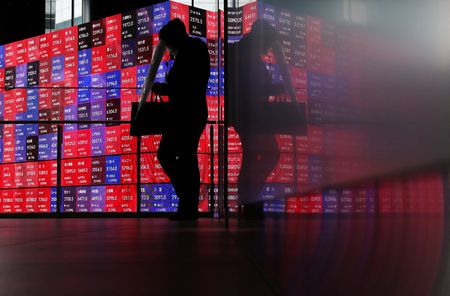

Asian stock markets posted gains on Tuesday, buoyed by hopes that mediation efforts in the Middle East could ease tensions — a development that helped pull oil prices back from a one-month high. At the same time, investors are preparing for a wave of corporate earnings reports that could put the heavily scrutinized artificial intelligence sector to the test.
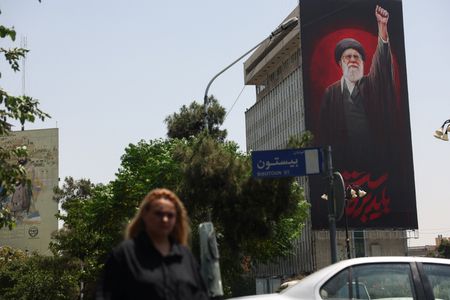
Yemen’s Houthi movement, which is aligned with Iran, announced plans to impose a naval blockade on Saudi Arabia. The threat came amid ongoing attacks between the U.S. and Iran and added another layer of uncertainty to global energy markets, even as diplomatic efforts to restore a fragile ceasefire were underway.
Brent crude futures slipped 0.38% to $88.88 per barrel in early Tuesday trading as investors leaned into optimism about a potential resolution. The price had climbed to its highest point since mid-June — $91.42 per barrel — in the previous session.
A senior Iranian official told Reuters on Monday that Tehran had received a proposal from mediators for a 10-day ceasefire, designed to set the stage for a longer-term agreement to end the conflict that started on February 28 with U.S.-Israeli strikes on Iran.
Nick Twidale, chief market strategist at ATFX Global in Sydney, described the mood among investors as cautiously optimistic but uncertain. “I think we’ve got a really strange situation that investors are still trying to look at things with a glass half full view, as we’ve seen this all before a few months ago and want the same outcome,” he said.
Twidale also warned that anxiety over a broader regional escalation is growing. “Feel we might see one catalyst that pops things and then we are off to the races,” he added.
On the markets, MSCI’s broadest measure of Asia-Pacific shares outside Japan rose 0.25% after falling for three consecutive sessions. Japan’s Nikkei climbed more than 1%, while South Korea’s KOSPI jumped nearly 3%. U.S. stock futures edged slightly higher, while European futures declined 0.6% in early trading.
Global stock markets — particularly chipmakers — have experienced sharp swings in recent weeks as investors question high valuations, the pace of profit growth, and whether massive spending on artificial intelligence infrastructure will produce meaningful returns.
This week, the spotlight will fall on earnings reports from Alphabet and Intel, among other companies, as investors look for clues about the war’s economic impact and whether AI-related stocks can sustain their lofty profit expectations heading into the second quarter.
Recent strong earnings from major Asian chip companies Samsung Electronics and TSMC still fell short of investor expectations — a sign of just how high the bar has been set for the industry.
Fred Neumann, chief Asia economist at HSBC in Hong Kong, noted that while appetite for AI hardware remains intense, investor expectations have grown increasingly demanding. “While demand for AI hardware remains red hot, with companies barely able to keep up supply, investor expectations for earnings have become increasingly lofty, rendering the sector vulnerable even to a marginal adjustment in projections,” he said.
Neumann also pointed to broader economic headwinds. “The economic backdrop is becoming more challenging as well, with rising energy prices and higher interest rates complicating the outlook and showing that even the AI hardware sector is not entirely immune to such broader developments,” he said.
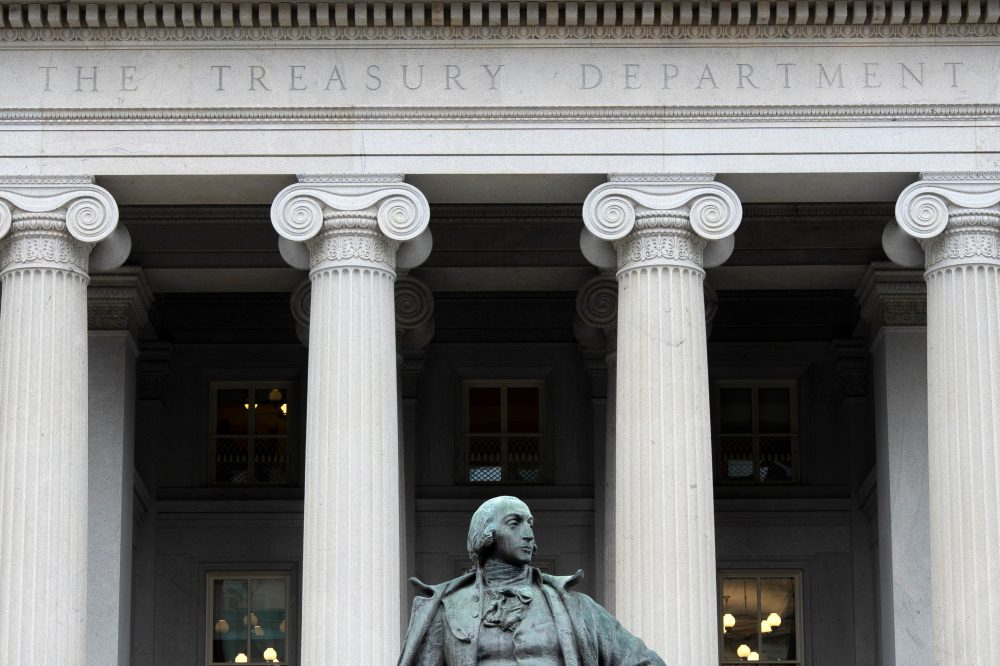
The escalating conflict between the U.S. and Iran has reignited inflation fears and pushed Treasury yields upward. The 2-year note yield, which tends to track expectations for Federal Reserve interest rate moves, stood at 4.206% during Asian trading hours after rising 4 basis points on Monday.
Traders are currently pricing in 33 basis points worth of interest rate increases for the year, with a full rate hike expected by October.
The U.S. dollar held steady against most major currencies, supported by demand for safe-haven assets. The euro was last trading at $1.14145, while the Japanese yen stood at 162.51 per dollar — a level keeping traders watchful for potential intervention from Tokyo.