
American diplomatic officials are preparing to travel to Pakistan this Saturday, though Iranian representatives have announced they will not participate in direct discussions with the United States regarding efforts to resolve the ongoing conflict that has claimed thousands of lives and disrupted worldwide markets.
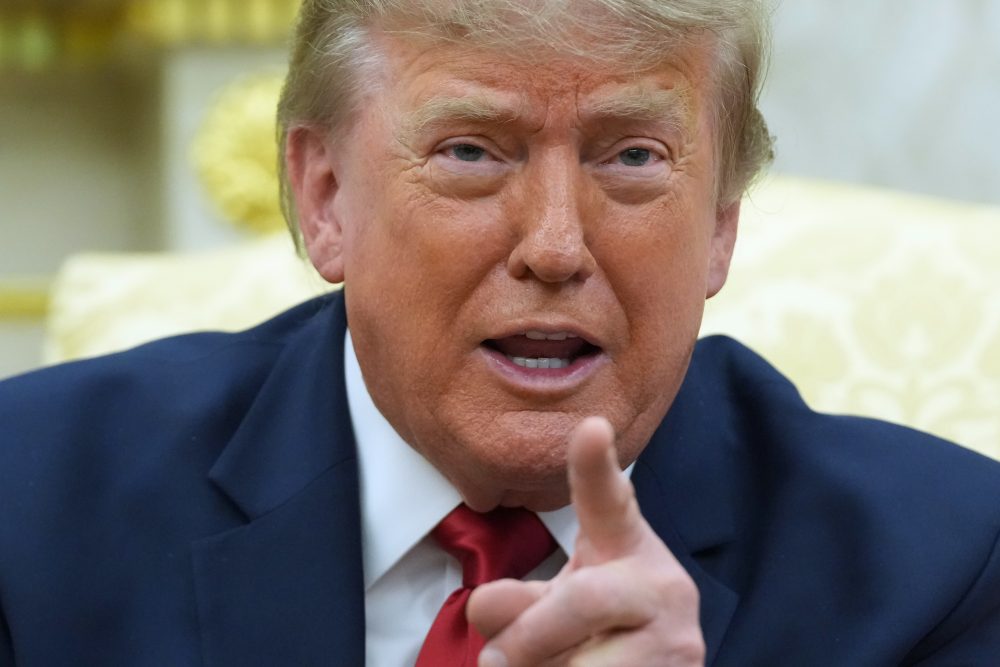
The White House confirmed that President Donald Trump’s special envoy Steve Witkoff and son-in-law Jared Kushner will depart Saturday morning for potential discussions with Iranian Foreign Minister Abbas Araqchi.
Defense Secretary Pete Hegseth addressed reporters, stating that Iran has an opportunity to reach a “good deal” with the United States.
“Iran knows that they still have an open window to choose wisely,” he said. “All they have to do is abandon a nuclear weapon in meaningful and verifiable ways.”
Foreign Minister Araqchi reached Pakistan’s capital city of Islamabad on Friday. However, a spokesperson for Iran’s foreign ministry announced on social media platform X that Iranian representatives would not conduct meetings with U.S. officials, and that Tehran would communicate its position through Pakistan as an intermediary.
The White House has not yet provided a response to requests for comment regarding Iran’s announcement.
The standoff between Washington and Tehran continues to carry significant economic consequences, as Iran has effectively blocked most traffic through the Strait of Hormuz, a waterway that typically handles one-fifth of the world’s oil shipments, while the United States maintains restrictions on Iranian oil exports. This nine-week conflict has driven energy costs to their highest levels in years, contributing to inflation and threatening global economic growth.
In a Friday interview with Reuters, Trump revealed that Iran was preparing to present a proposal designed to address American requirements, though he stated he was unaware of the proposal’s specific details. When asked about negotiating partners, he declined to identify them but noted, “we’re dealing with the people that are in charge now”.
White House press secretary Karoline Leavitt indicated that the U.S. had observed some positive developments from Iran recently and expressed optimism for additional progress during the weekend, while noting that Vice President JD Vance was also prepared to make the trip to Pakistan if needed.
Previous negotiations in Islamabad two weeks earlier included Vance, Witkoff, Kushner, Araqchi, and Mohammad Baqer Qalibaf, the speaker of Iran’s parliament, but those discussions ended without resolution.
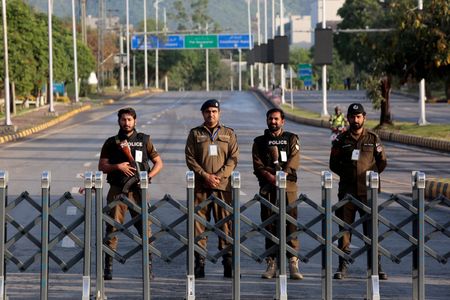
Araqchi, who announced on social media that his diplomatic tour would include Pakistan, Oman and Russia, conducted meetings with Pakistani Foreign Minister Ishaq Dar on Friday at the Serena Hotel, the same venue where earlier negotiations took place. Pakistani sources confirmed that an American logistics and security team had already arrived in Islamabad.
President Trump made the decision Tuesday to extend a two-week ceasefire for additional time to allow negotiators to reconvene.
Energy markets experienced significant volatility this week, with Brent crude futures climbing 16% amid concerns about the peace negotiations’ future and renewed violence in the region.
Maritime tracking information from Friday revealed that only five vessels had passed through the Strait of Hormuz during the previous day, a dramatic decrease from the approximately 130 ships that typically crossed daily before the conflict began on February 28 when the U.S. and Israel launched military action. The vessels included one Iranian oil-products tanker, but none of the large crude-carrying supertankers that normally supply global energy markets.
On Thursday, Israeli and Lebanese officials agreed to extend their ceasefire for an additional three weeks during White House negotiations facilitated by Trump, though fighting in southern Lebanon shows little sign of ending.
Israel launched its invasion of Lebanon last month with the goal of eliminating Iran’s Hezbollah allies after the militant organization conducted cross-border attacks. Tehran maintains that a ceasefire in that conflict is necessary before broader negotiations can proceed.
Lebanese officials reported six fatalities from an Israeli airstrike, while Hezbollah forces shot down an Israeli drone. Israel’s military confirmed it had eliminated six armed Hezbollah fighters in southern Lebanon.